Summer Haute Route Trek Planning
Switzerland & FrancePaperwork
Make sure you have submitted the following paperwork to Alpine Ascents.
- Application
- Passport Copy
- Flight itinerary
Trip Insurance & Evacuation Coverage
We strongly recommend purchasing trip insurance. Even with the best planning, unexpected circumstances—such as an injury or family emergency—may prevent you from joining your trip.
Helicopter Evacuation
If you need to leave the expedition early, you are responsible for all incurred expenses (evacuation fees, transport, extra hotel nights, etc). In many European countries, climbers must pay for any rescue situation they are involved in. If helicopters are required, which is typical in the Alps, the bill can be very expensive. For this reason, trekkers should consider purchasing mountain rescue insurance. We recommend Global Rescue.
Trip Insurance Info (opens in new tab)Meet Times & Transport
Flying to Geneva, Switzerland
Arrival: Fly into Geneva, then travel by shuttle to Chamonix. Arrive in Chamonix by the afternoon of Day 1 of your trip itinerary. If you need to (or opt to) arrive early and stay in Geneva, recommended hotels can be found in the Lodging section.
Shuttle from Geneva to Chamonix: You are required to make your own way to Chamonix. Shuttle buses are the best way to get from Geneva International Airport to Chamonix. We recommend Geneva Airport Transfers or Alpy Bus. Both cost around €25 and are easy to book online. The shuttle will drop you directly at the Pointe Isabelle Hotel. Book your shuttle at least two weeks in advance.
Team Meeting: Meet at 7:00am in the hotel lobby the morning of our first trekking day (Day 2 on itinerary). Your lead guide will send an email 7-10 days prior to your trip with details outlining the first climbing day and a possible gear list for that day.
Departure: Your trek will conclude in Zermatt, Switzerland. You will need to travel by train from Zermatt to the Geneva airport on Day 10 of your itinerary. This train ticket can be purchased day-of. Your guide will assist you with these travel arrangements. When booking your returning flight, be sure to account for the 4.5-hour train ride from Zermatt to Geneva. The first train departs around 5 am.
Arriving Early in Chamonix, France
Chamonix has an abundance of tourist attractions, shopping and dining for climbers and their families. The most popular is the famed Aig D’Midi cable car (the 3rd largest tourist attraction in all of France), which leaves directly out of downtown Chamonix and arrives at just over 3800m. Most visitors enjoy sightseeing and lunch from the cable car. In addition to the Aig D’Midi, the Montenvours train provides spectacular views of the Mer du Glace.


Hotels
Single room arrangements can be made for an additional fee. Be aware that private rooms are available at hotels during our trip, but not in mountain huts.
For climbers choosing double room accommodations, every effort will be made to pair you with another climber. A Single Room Supplement Fee will apply if a match cannot be made or there is a last minute cancellation. This will help keep our overall program pricing down since unlike other companies we do not charge more for smaller groups.
In Chamonix
We will lodge in Chamonix on the first night of the trip. This night is included in your trip cost. We typically stay at the Pointe Isabelle. It is a centrally located and enjoyable place to stay. You can leave your luggage at this hotel in a safe storage area. We do recommend locks for you luggage and bags. Luggage will be transported to our hotel in Zermatt for your arrival on Day 10.
In Zermatt
We will trek from Chamonix to Zermatt. Upon arrival in Zermatt, we will check in to Hotel City. The team’s luggage will already be there.
In Geneva
Lodging in Geneva is entirely optional depending on your travel plans and itinerary. Here are some recommended hotels:
European Huts
One of the benefits of climbing in the European Alps is the amazing hut system in place for climbers. A tradition since the late 19th century, the huts serve as base camp, a refuge from the elements, and even a bunk house with restaurant. Huts are fully staffed with a guardian and cook staff. The system allows us to leave our sleeping bags, tents, stoves, and meals behind while we climb.
Dinners are typically comprised of soup, cheese, bread, a meat dish served with a grain and dessert. The huts can accommodate vegetarians. A typical French breakfast of bread & jam is served in the morning with coffee and tea. The huts all have indoor washrooms, though there are no showers and the sleeping rooms are bunk style. All of the huts provide ‘hut slippers’ for climbers to wear while inside the building. Huts typically sleep between 80-160 climbers and are often busy during the climbing season. Starting mid-day at most huts, you can purchase a “tarte d’jour” (tart of the day), an omelet, coffee, assorted beverages, and other snack food for an additional cost. Huts do not have Wifi.
Alpine Club Membership
If you are a member of an Alpine Club (American Alpine Club, British Alpine Club, etc.) we encourage you to bring your alpine club membership card as some huts offer discounts for members.

Gear List
Please refer to your Gear List:
Haute Route Gear List (opens in new tab)
You are required to bring every item on this list as described, so be as precise as possible when packing. We are happy to work closely with you on finding the proper gear.
If you plan to rent gear through Alpine Ascents (available for climbers based in the U.S.), your rental form must be submitted at least a month prior to expedition start date. Please call our office or email [email protected] with any questions.
Most of our gear is also available to buy through the Alpine Ascents Store, where our climbers receive a 10% discount. Use coupon code CLIMB.
Packing Tips
People generally take too much “stuff” rather than too little. Study each item before you pack it. Eliminate redundant items, extra changes of clothing, and excessive “nice to have” luxuries. You will benefit from traveling light because of the costs of excess baggage and because of the frequent loading and unloading of bags. Take everything on the required equipment list and little else. Remember to review your airline’s weight limits and pack accordingly. If your airline enforces a strict weight limit, you should be ready to have your boots and another heavy item transferred to your carry on.
Gear Lexicon
If you’re confused by items and/or language on the Gear List, we encourage you to refer to our Gear Guide for explanations on layering systems, differences between boots, etc.
Gear Guide (opens in new tab)
Luggage

Stage 1 – Travel to France
Pack everything into your large duffel and check it in with your airline. We recommend packing using your trekking pack as your carry-on, and remember any usual comfort items for international air travel. Staying relaxed prior to your expedition will contribute to your enjoyment of the trek!

Stage 2 – Trip Prep in Chamonix
It’s nice to have a small selection of town clothes with you, suitable for touring the city, going out to dinner, etc. While in Chamonix, we complete a thorough gear check and reorganize our luggage. Here’s how we pack:
- Trekking duffel – 1 large duffel with your extra trekking clothes will be shuttled along the trek and you can access this duffel approximately every 2-3 days (guide will provide exact timing during the trip briefing). Any extra items not coming on the trek, like your town clothes, will also be placed in this duffel or another piece of luggage which the guide will organize this to arrive in Zermatt at the end of the trek.
- Trekking pack – the gear you will carry on your back while trekking.

Stage 3 – Trekking
While trekking, you will have access to all your trekking duffel every 2-3 days. It will be shuttled to meet you at the mountain huts along the way at which you can adjust and change your clothes. Your guides will advise on what gear to pack each day for the rest of the trip.
Expenses
Currency
We recommend using credit/debit cards on this trip to avoid changing currency. Major credit cards are taken at the mountain huts and all the villages.
In Geneva, Switzerland the Swiss Franc is used. In Chamonix, France the Euro is used. If you are traveling from the U.S. and planning to use cash on this trip, we recommend exchanging to Euros (France) and Franc (Switzerland) in the U.S. prior to departure.
ATMs: ATMs are readily available throughout this trip.
Credit Cards: Visa and MasterCard are widely accepted. American Express is not.
Itinerary Adjustments
The 10-day itinerary has been our tried and true program for many years. If trekkers cannot successfully complete the first few days of the itinerary, they may be asked not to continue to Zermatt. Guides will work with trekkers to find suitable exit options back to Chamonix. If this is the case, trekkers will cover any additional cost accrued for itinerary adjustments.
Tipping
Our guides make every effort to ensure your trek is risk aware, successful, and as enjoyable as possible. If you have a positive experience, gratuities are an excellent way to show your appreciation. A typical amount is $350, with a general recommended range of $300 to $450. These amounts cover all guides on your program and are shared equally. Any contribution to the guides’ tip pool can go directly to the lead guide and will be appreciated by the entire team.
Food & Water
You are responsible for your own meals while in Chamonix and Zermatt. Breakfasts are included at the hotels. Dinners can range from €25–50. While on the mountain, breakfasts and dinners are provided by the huts. These meals are included in the trip cost. You will need to purchase bottled water at the huts, which can range from €3–5 for 1.5L. The huts also offer wine, beer, and soda for additional costs.
Alpine Ascents will arrange lunches while trekking. You are responsible to supply your own snacks throughout the day. A grocery store is located adjacent to the hotel in Chamonix to purchase these food items in country. During your gear check in Chamonix, your guide will help you plan food quantities.

Notes from the Guide
Trekking in the Alps
“As a guide, mountain enthusiast, and adventurer, every time I step onto the Summer Haute Route, I’m reminded of why this trail is so special. It’s not just about the breathtaking views—although crossing those eight mountain passes with the towering 4000m peaks around you is something you’ll never forget. What makes this route truly unique is the sense of journey. You’re walking in the footsteps of mountaineering pioneers, passing through a region steeped in history, culture, and raw natural beauty.
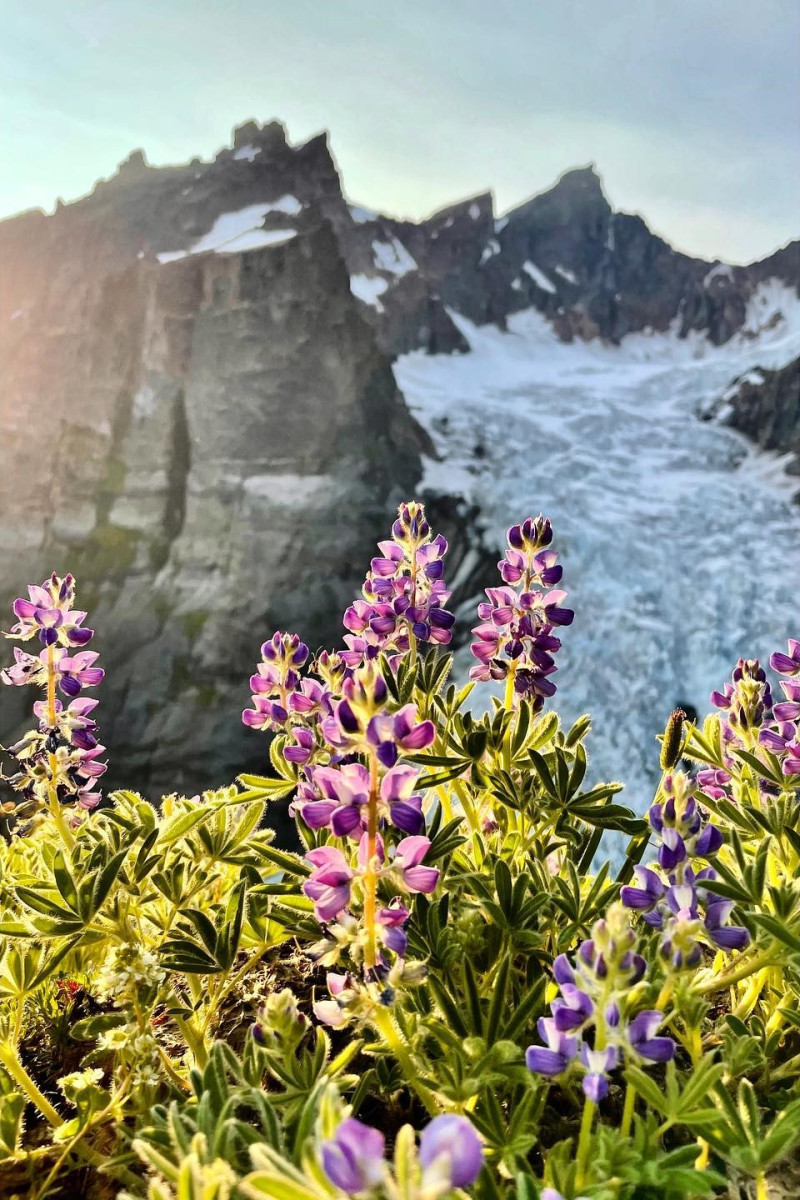
Each day brings something new, whether it’s a hidden alpine meadow, views of scenic glaciers, or the quiet charm of a mountain hut. And, of course, there’s that incredible moment when you arrive in Zermatt, with the iconic Matterhorn standing tall before you. There’s a sense of accomplishment and connection to the mountains that’s hard to put into words.
But what really sets the Haute Route apart for me is the balance it strikes between challenge and comfort. You get to experience the rugged beauty of the Alps with a lightweight pack, knowing your gear is being transferred, allowing you to focus on the journey. The camaraderie that forms as we trek together, share stories, and watch the landscape unfold, is something I look forward to on every trip.
This is more than a trek—it’s an adventure through one of the most awe-inspiring places on Earth, and I feel lucky to guide others through it.”
Light Packs
Because of the infrastructure in the European Alps, we trek with smaller and lighter packs than many trekkers are accustomed to. Please follow the recommendations in your Gear List and bring a pack of appropriate size. You will be glad to save the weight!
Electricity
You will need a European outlet adapter for your electronics.
Clothing
Because we will be spending time in town, consider bringing “street clothes” in which you feel comfortable dining and walking around town. Luggage with items you are not bringing on the mountain can be kept at our hotel in a secure storage area. We do recommend locks for your luggage.
Communications
Cell phones: If you are based in the U.S., we recommend contacting your phone provider to ensure coverage while in Europe. There is cell service in Chamonix, Zermatt, and most of the mountain huts.
Wifi: We will have Wifi in town, but it is generally not available at the mountain huts.
Other Trekkers
Along with lighter packs, the accessibility of this region also leads to greater use than what some of our trekkers may be accustomed to. There will likely be many other travelers on the route at the same time. We aim to be respectful and courteous to all others trekkers we encounter.