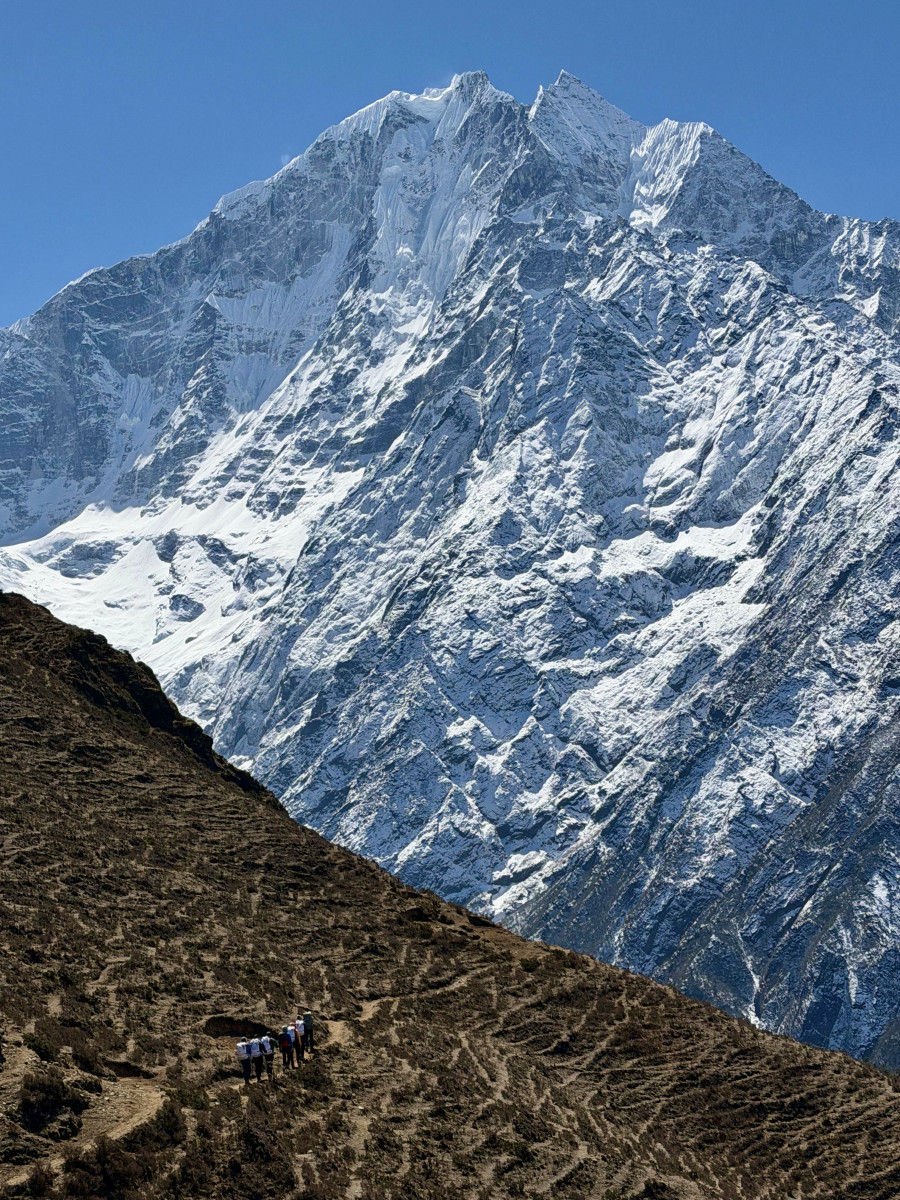
Glacier Peak
10,541FT / 3,213M | WashingtonClimbing Glacier Peak
- Washington State
- Pack Weight: 50+ Lbs
- 5 Days
- Gallery
- Dates & Pricing


Our 5-day Glacier Peak climb is ideal for climbers who value the journey as much as the summit. A relaxed itinerary allows for a steady pace, hands-on instruction during the ascent, and includes a built-in weather contingency day for the summit attempt. Known originally as Dahkobed, Glacier Peak draws climbers through ancient old-growth forests, vibrant alpine meadows, and across multiple glaciers to a remote summit deep within the Glacier Peak Wilderness. Both an expedition and an instructional climb, Glacier Peak provides an excellent introduction to glacier mountaineering. Guides teach essential skills including ice axe use and self-arrest, glacier rope travel, and basic mountaineering systems.
Key Components

Guide Ratio: A low 3:1 climber-to-guide ratio

Guide Expertise: Deep technical knowledge, global expedition experience, and a strong emphasis on teaching

Extended Itinerary: Five-day itinerary with two potential summit days

Transportation: Round-trip transportation from Seattle to trailhead included

Meals: Guides prepare fresh, high-quality meals at each camp

Skills Training: Skill development in snow and glacier climbing

Gear Support: Full-service gear department for expert equipment support and rentals

Group Gear: All group climbing equipment and tents provided
Training Support: 1:1 training consultation and extensive training materials provided post-registration

2026 Season: 100% of our trips summited

Our Glacier Peak climb with Alpine Ascents was outstanding.
Our group really appreciated the 5 day trip. The arduous approach to Glacier included beautiful camps at White Pass and high camp, and the extra day gave our legs a little rejuvenation and made snow school very relaxed. Thanks again for an incredible experience.
This was my first climb with Alpine Ascents and I appreciated the organization and professionalism of the company and employees.
2027 Charity Climb for Outdoors for All
Each year, Alpine Ascents donates a climb to a local charity, where 100% of the amounts paid by the climbers go directly to the organization. The charity is selected through nomination and then a vote by our administrative team.

About Outdoors for All
Outdoors for All began in 1978 at The Summit at Snoqualmie, when fifteen children with disabilities came together to learn to ski. A year later, the program became a nonprofit, the Ski for All Foundation, and it has been growing ever since. Today, Outdoors for All is known for its adaptive winter programs (downhill and cross-country skiing, snowboarding and snowshoeing), and it has expanded well beyond the snow to include cycling, kayaking, hiking, rock climbing, water skiing, camping, day camps and more. Each year, more than 2,700 children and adults with disabilities experience the joy and freedom of outdoor recreation through Outdoors for All. They’re supported by a small, experienced staff of 23 and hundreds of dedicated volunteers. Together, they’re building a community where people of all abilities can get outside. When we climb Glacier Peak, we’re celebrating that kind of access to the mountains. Every summit step this year helps open the outdoors to more people.
Climb Date: July 16 – 20, 2027
Suggested Donation: $2,050.00 (standard cost for the climb)
Minimum Donation: $1,000.00
100% of proceeds from this climb will be donated to the charity!
Past Charity Climb Partners:
2026 Climb of Glacier Peak for Washington Immigrant Solidarity Network (WAISN)
2025 Climb of Glacier Peak for The Sophia Way
2024 Climb of Glacier Peak for Big City Mountaineers
2023 Climb of Tahoma for Unkitawa
2022 Climb of Shuksan for the Ukrainian Association of Washington State
2021 Climb of Shuksan for Got Green
2020 Climb of Shuksan for Facing Homelessness
2019 Climb of Shuksan for Jubilee Women’s Center
2018 Climb of Shuksan for Girls on Ice
2017 Climb of Shuksan for New Horizons
2016 Climb of Shuksan for SheJumps
2015 Climb of Eldorado for KEXP
2014 Climb of Eldorado for Roots

The Alpine Ascents Way
Our Glacier Peak climbs reflect the same core philosophy that defines Alpine Ascents across all of our programs: exceptional guiding, thoughtful instruction, and a deep commitment to developing strong, safe, and self-reliant mountaineers. Glacier Peak’s remote setting and complex approach demand careful planning and professional execution.
We operate Glacier Peak on an extended five-day itinerary, allowing for a slower, more deliberate pace and ample time for instruction throughout the ascent. This additional time supports better acclimatization, stronger skill development, and the flexibility to respond to changing mountain conditions. Rather than rushing to meet a fixed schedule, our approach prioritizes sound decision-making, adaptability, and an enjoyable learning experience—qualities that consistently lead to successful and rewarding expeditions.
Glacier Peak climbs are guided at a low 3:1 climber-to-guide ratio, creating a highly personalized environment for instruction and mentorship. Our professional, full-time mountain guides bring extensive experience on Washington’s glaciated terrain. Many hold advanced certifications, have notable expedition backgrounds, and are recognized for their exceptional teaching and leadership. Our guides understand and embody our philosophy: to impart sound mountaineering practices, exercise strong judgment, and support each climber’s individual development.
To support a focused and well-organized experience, our Glacier Peak program includes round-trip transportation from Seattle, on-mountain breakfasts and dinners, and all group climbing and glacier travel equipment. This allows climbers to fully engage in learning, movement, and decision-making within a professionally supported framework.

The Mountain
Glacier Peak rises in quiet isolation in the Glacier Peak Wilderness area, one of the most remote and least visited major volcanoes in the Cascade Range. Despite being the fourth-highest peak in Washington, its massive form is largely hidden from view, tucked behind surrounding ridges and deep river valleys. This remoteness gives Glacier Peak a powerful sense of scale and solitude, offering climbers a true wilderness experience far removed from roads and crowds.
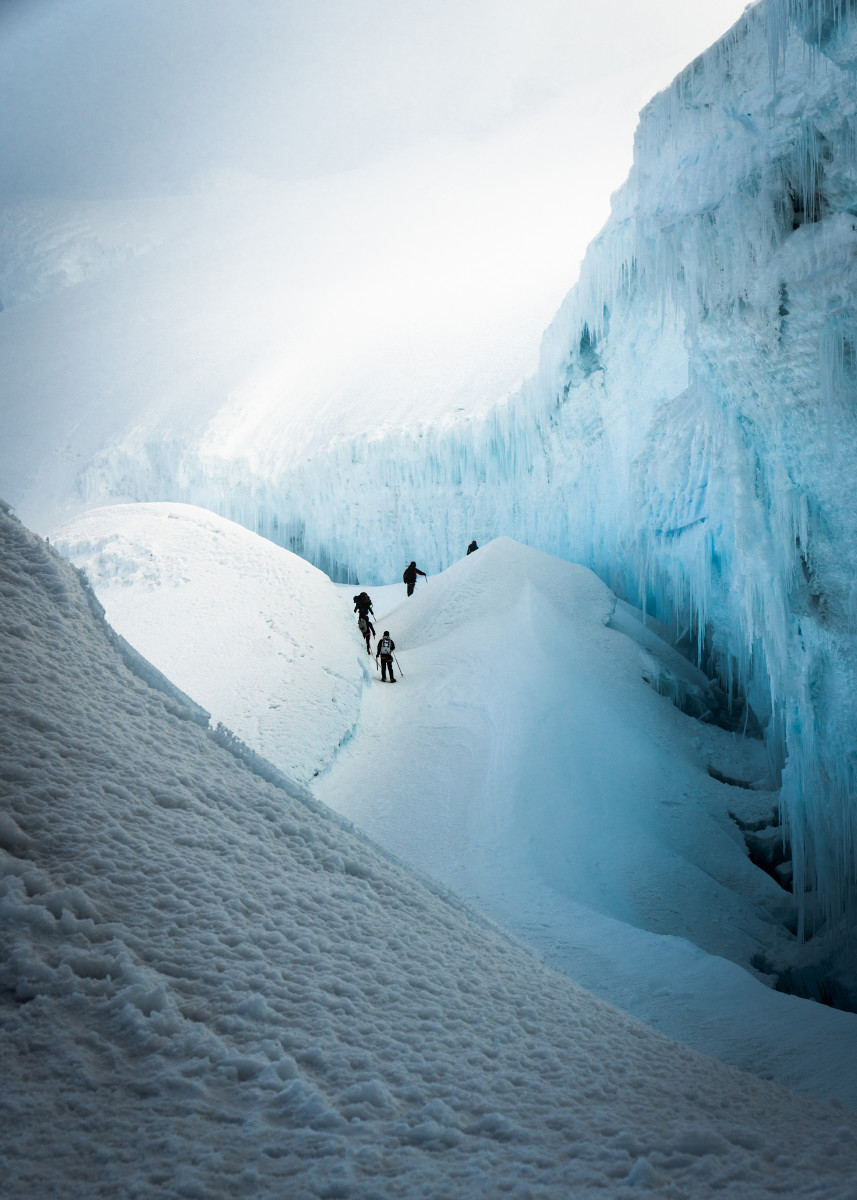
Geologically, Glacier Peak is an active stratovolcano, built through successive eruptions over hundreds of thousands of years. Its broad summit and extensive glaciers—including the Chocolate, Cool, and Kennedy Glaciers—tell the story of a landscape shaped by both fire and ice. Lahars originating from Glacier Peak have traveled far down surrounding river systems, profoundly influencing valleys and ecosystems well beyond the mountain itself.
The mountain also holds deep cultural significance. The Sauk Tribe referred to this peak as Dakobed or Takobia, reportedly meaning “Great Parent,” reflecting its enduring presence in the region. The name Glacier Peak first appeared on maps in 1898, marking a shift from Indigenous naming traditions to Euro-American cartography. For millennia, Indigenous peoples including the Sauk-Suiattle, Upper Skagit, and other Coast Salish communities traveled through the surrounding valleys and high country to hunt, gather, and maintain established seasonal routes.
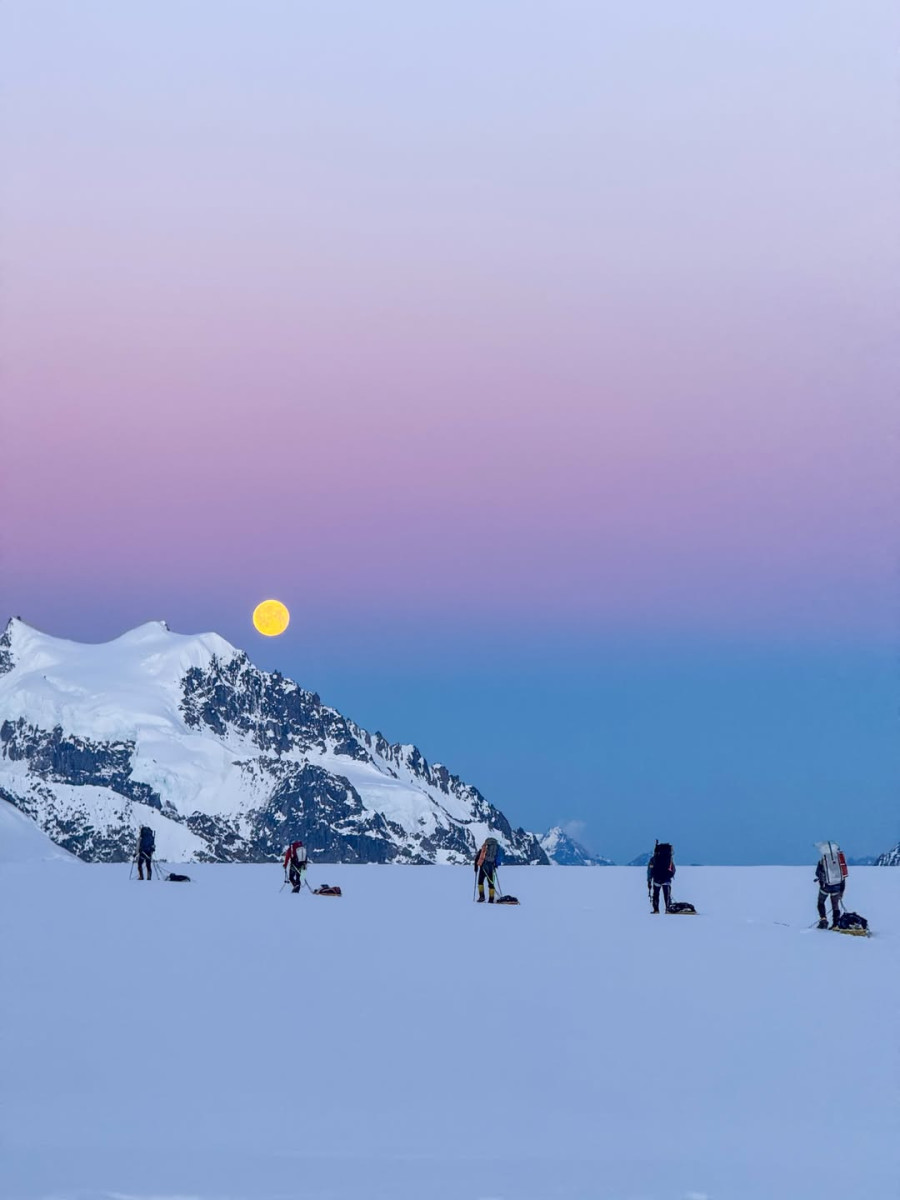
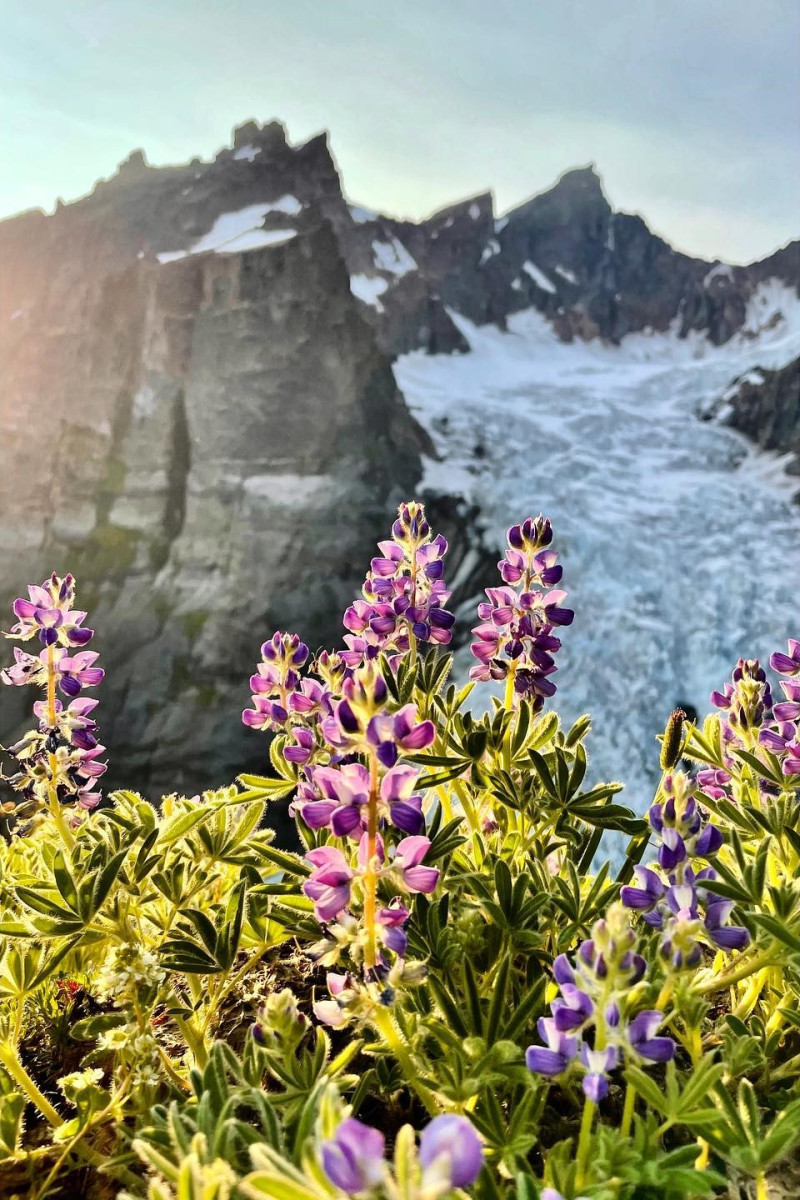
Approaches to Glacier Peak are long and scenic, winding through old-growth forests, river valleys, and expansive alpine meadows before reaching the glaciated upper mountain. This extended approach is a defining feature of the climb, offering a gradual transition from lush lowland environments to stark alpine terrain and reinforcing the mountain’s sense of remoteness.
Wild, remote, and deeply storied, Glacier Peak rewards climbers who value patience, curiosity, and respect for the land. It is a mountain that invites full immersion—not only in reaching its summit, but in traveling through one of Washington’s most beautiful and enduring wilderness landscapes.


Glacier Peak | Dahkobed Blog
More from the blog


Local Impact
At Alpine Ascents, our commitment to responsible climbing and local engagement runs deep.
For more than 30 years, Alpine Ascents has operated throughout the cascades Cascades with a lasting commitment to protecting the very terrain that makes these experiences possible. Our guides are trained in Leave No Trace principles and pass that ethic on to every climber who joins us on Glacier Peak, from minimizing impact on fragile alpine meadows and glacier margins to proper human waste disposal. All climbers pack out human waste using WAG bags, keeping the mountain’s snowfields and water sources free of contamination as climbing traffic continues to grow. Decades of consistent presence in this landscape has given us an intimate understanding of its seasonal changes, its wildlife, and the responsibility that comes with repeated access to it. We work closely with the U.S. Forest Service and local land managers to operate within permitted guidelines and support the long-term health of the Baker-Snoqualmie National Forest. Choosing to learn here means climbing in a place we’ve worked to protect for decades.
Glacier Peak FAQ
Glacier Peak (Dahkobed) is located in Snohomish County, Washington, nestled deep within the remote Glacier Peak Wilderness in the North Cascades Range.
Glacier Peak stands at an elevation of 10,541 feet / 3,213 meters, making it the fourth-highest peak in Washington State.
Our standard Glacier Peak itinerary is a 5-day expedition, allowing for a relaxed pace on the long approach, time for hands-on skills instruction, and an extra day for weather contingency.
Unlike more accessible Cascades volcanoes, Glacier Peak requires a long and scenic backcountry approach through old-growth forests and high alpine meadows via the North Fork Sauk River Trail before reaching the glaciated terrain.
The climb features a straightforward glacier ascent that is ideal for beginners, but the overall trip is physically strenuous due to the long distance (over 30 miles round-trip) and vertical elevation gain required.
This climb is open to physically fit beginners and enthusiastic novices. Prior backpacking experience is strongly recommended given the heavy packs and multi-day trail miles.
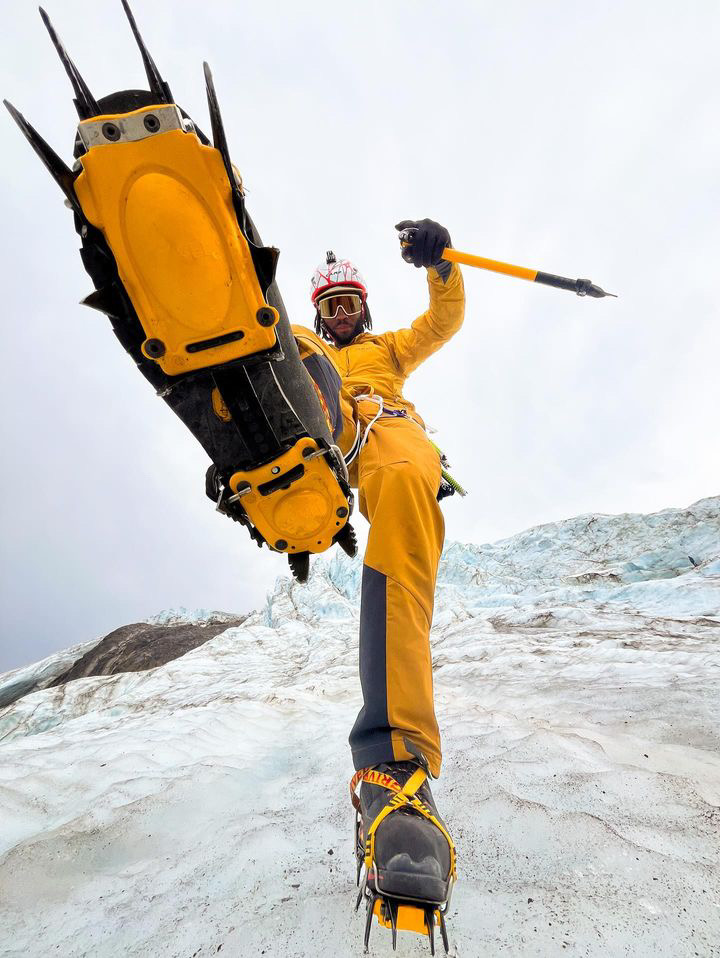
Guides teach fundamental glacier mountaineering skills, including ice axe self-arrest, crampon techniques, glacier travel, and basic rope team movement.
We maintain a low 3:1 climber-to-guide ratio (up to 3 guides for a team of 9 climbers), ensuring personalized instruction, close coaching, and high safety standards.
Climbers must be capable of carrying a heavy backpack weighing 50 lbs. or more to transport personal equipment, clothing, food, and group gear over long approach miles.
Teams camp in scenic backcountry campsites along the trail, such as White Pass, as well as established high camps on the glacial moraine.
The Glacier Peak climbing season runs from mid-June through early August, offering the best combination of snow coverage, glacier stability, and wildflowers on the approach.
Alpine Ascents provides round-trip transportation, tents, ropes, and technical group hardware, as well as backcountry breakfasts and dinners. Climbers provide their own personal gear, clothing, boots, and lunches.
There is a mandatory gear check held at 3:00 p.m. at the Alpine Ascents office in Seattle the day before your climb to inspect personal gear, fit rental equipment, and organize group gear.
Yes. Round-trip van transportation between our Seattle office and the North Fork Sauk River Trailhead is included in the trip price.
Yes. We offer specific “Women-Only” departures as well as an annual Charity Climb on Glacier Peak, where 100% of proceeds are donated to a local non-profit organization.