Volcanoes of Iceland
Mt. Hekla (4,892FT / 1,491M) - Hrútfellstindar (6,150FT / 1,875M) - Eyjafjallajökull (5,417FT / 1,651M) - Kristínartindar (3,694FT / 1,126M) | IcelandClimbing the Volcanoes of Iceland
- Worldwide Expeditions
- Pack Weight: 25-30 Lbs
- 9 Days
- Gallery
- Dates & Pricing


Our Volcanoes of Iceland expedition is a nine-day adventure that blends beginner glaciated climbs, hands-on skills training, and immersive exploration of one of the most geologically dynamic landscapes on Earth. From active volcanoes and sprawling ice caps to waterfalls, black-sand beaches, and geothermal pools, Iceland offers a striking convergence of fire and ice. Our itinerary weaves together day climbs on iconic volcanoes and glaciers with time to explore the countryside creating a trip that is as visually stunning as it is diverse.
This expedition is well suited for both novice and experienced climbers seeking a hotel-based introduction to mountaineering—or a skills refresher in a gorgeous setting. All climbs are completed in single-day pushes, with comfortable accommodations and excellent meals each night. Along the way, climbers review essential mountain skills, gain confidence moving on snow and ice, and experience some of Iceland’s most celebrated natural and cultural highlights. This trip is an accessible, rewarding journey that balances climbing with exploration, learning, and the simple joy of traveling through one of the world’s most unique landscapes.
Key Components

Led by experienced local Icelandic mountain guides with long time partnership with Alpine Ascents
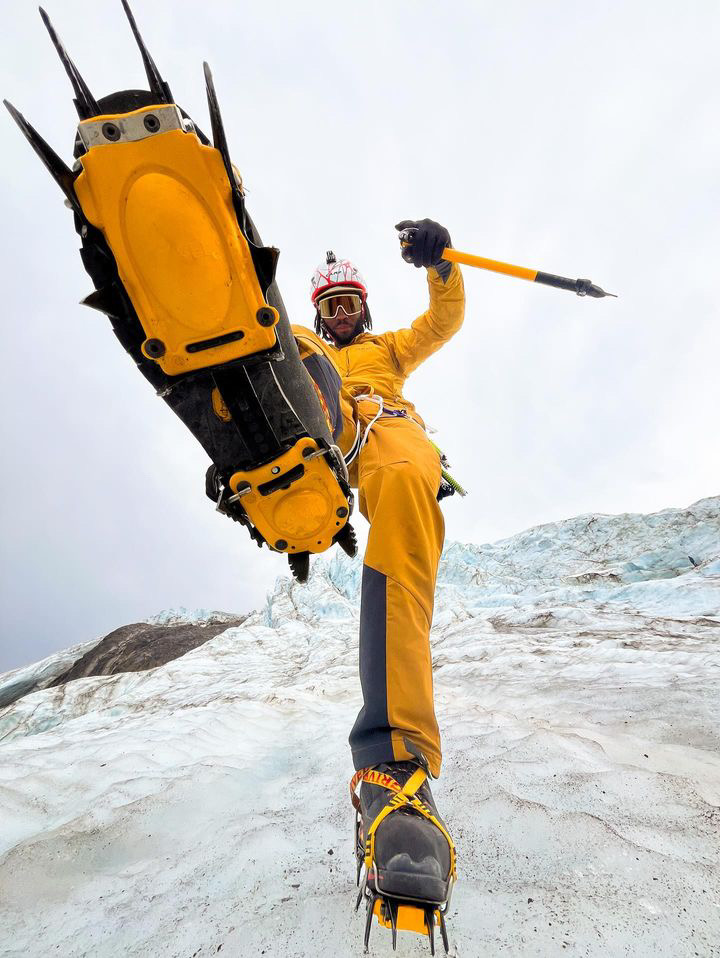
Full training day on Svínafellsjökull glacier
Includes all transportation and lodging,

High quality hotels and lodges each night including natural hot springs

Cultural and natural highlights, including the Golden Circle, geothermal pools, and Reykjavík

Thoughtfully curated itinerary balancing climbing, skills development, and exploration

Multiple summits: Mt Helka, Eyjafjallajökull, Kristínartindar, Hrútsfjallstindar

Full-service gear department for expert equipment support and rentals

Nearly 15 years of successful operations in Iceland

This was a great trip!
Iceland is a magical, unspoiled, diverse landscape and is a must for all explorers. Our guide was extremely knowledgeable, flexible, accommodating, and always smiling. He handled the schedule wonderfully and was able to fit in a rafting tour which we all enjoyed! I would definitely recommend him as a host and mountain guide!
This was a fabulous trip with stunning scenery, challenging climbs and an opportunity to experience Icelandic culture.
About the Volcanoes of Iceland
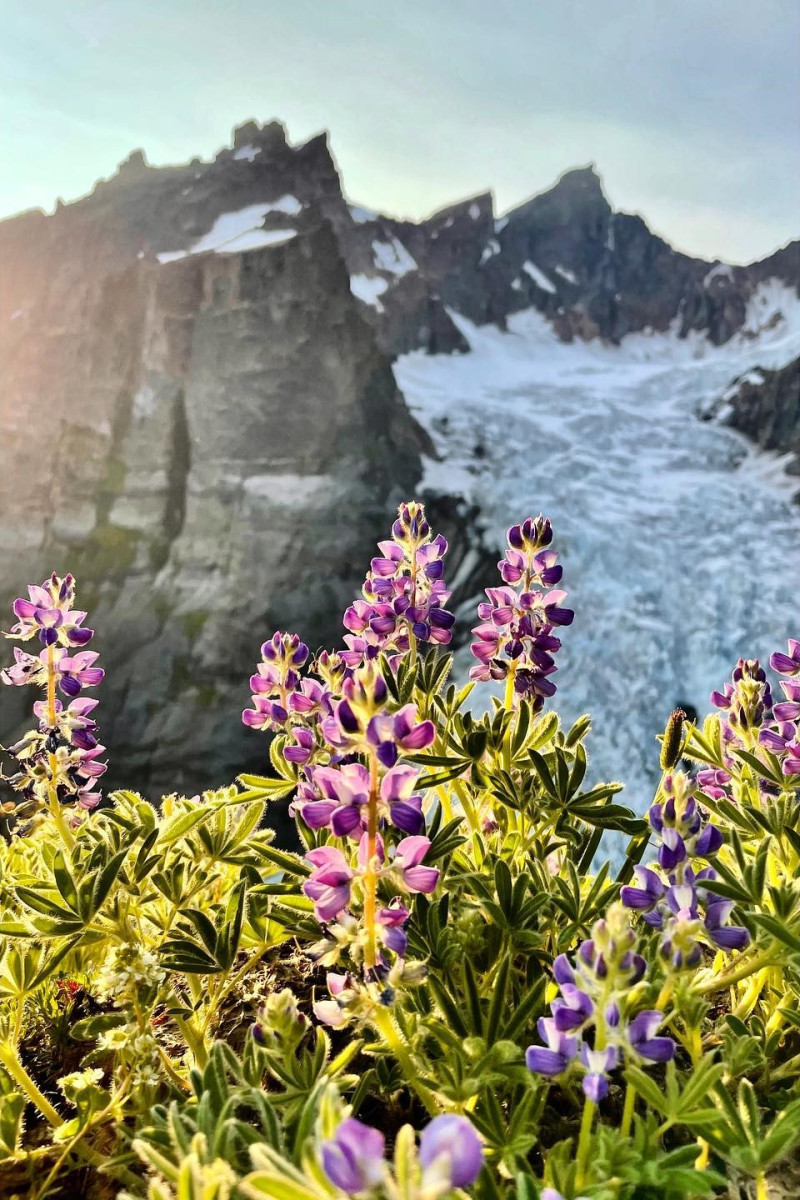
Iceland’s mountains are shaped by the powerful interaction of volcanic heat and glacial ice, creating landscapes found nowhere else on Earth. Many peaks are volcanoes capped by ice, where lava fields transition into snow and glaciers flow toward the sea. This expedition explores several of Iceland’s most iconic volcanic and glaciated environments, offering climbers the chance to move through strikingly different terrain, often within a single day.
An early objective is Mount Hekla, Iceland’s most famous and one of its most active volcanoes. Long steeped in folklore, Hekla rises from broad lava plains into snow-covered upper slopes, providing a rewarding ascent and expansive views across southern Iceland. Climbers also ascend Eyjafjallajökull, the glacier-capped volcano that famously erupted in 2010. Rising directly from the coast, this climb gains over 5,000 vertical feet from sea level to summit and offers panoramic views across much of the country on clear days.
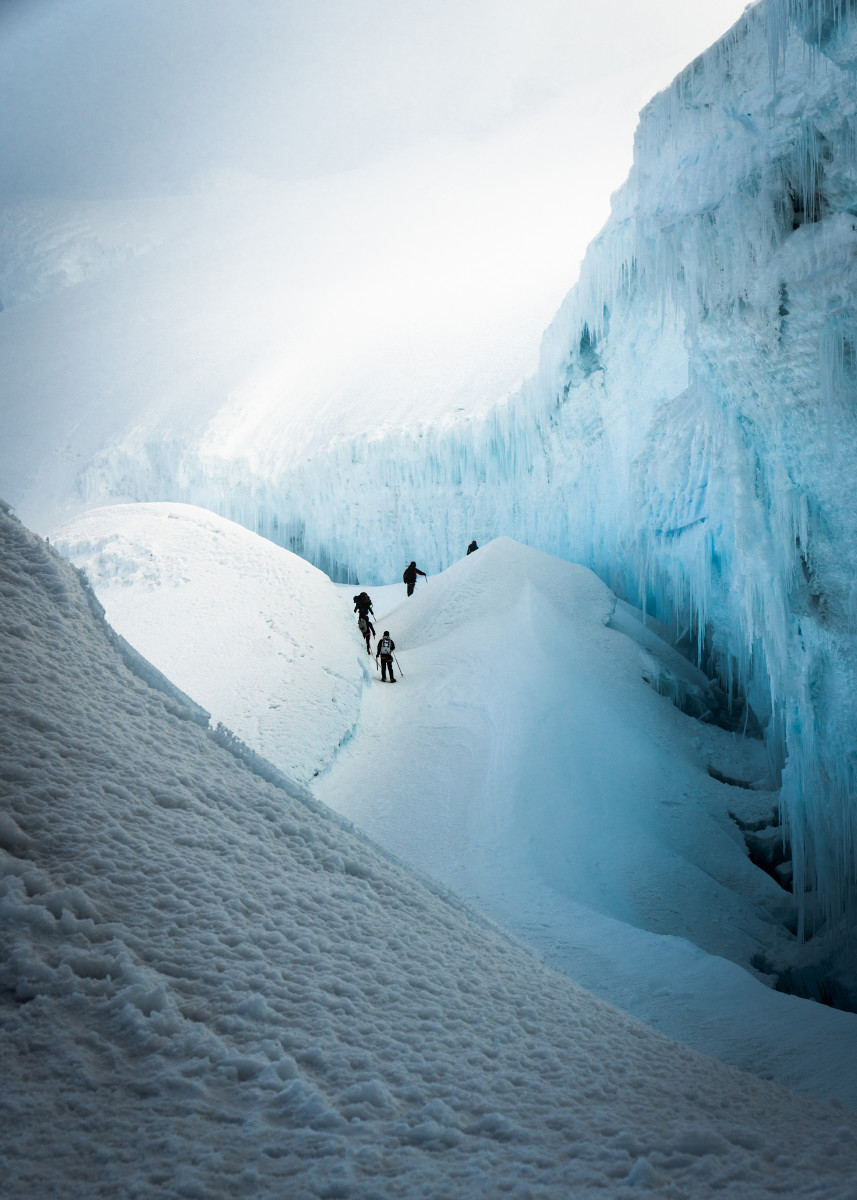
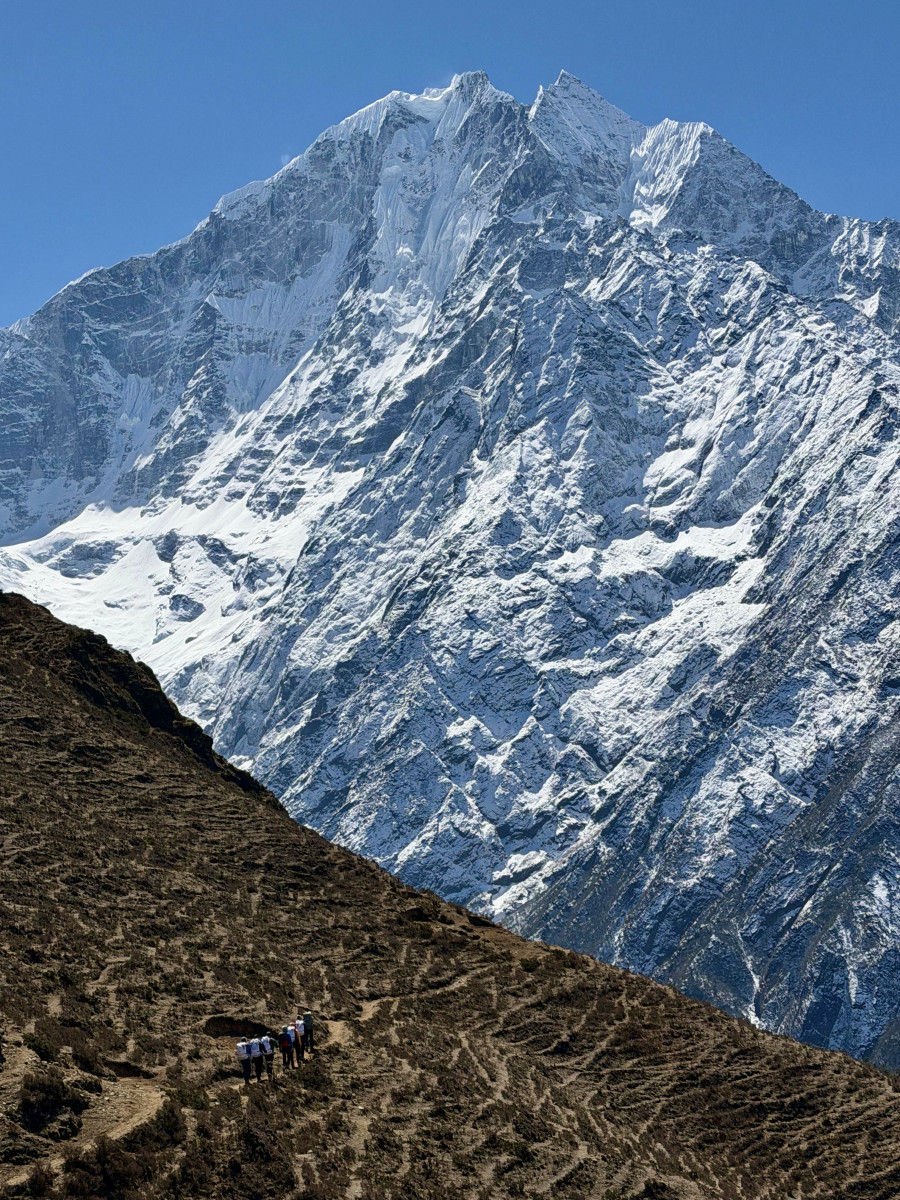
The expedition culminates in the alpine terrain surrounding Vatnajökull, Europe’s largest glacier. Here, climbers train on outlet glaciers such as Svínafellsjökull, before tackling Hrútsfjallstindar, one of Iceland’s most demanding alpine summits. Combining rugged ridgelines and glaciated terrain, the climb delivers sweeping views over the wild southern coast—an unforgettable finale in a uniquely mesmerizing landscape.

The Alpine Ascents Way
Our Volcanoes of Iceland trip is built around experiencing the country’s ravishing natural beauty up close—from tectonic rift zones and active volcanoes to vast ice caps and verdant valleys. The journey begins immediately upon arrival with a scenic drive along the Golden Circle, including time at Þingvellir National Park, where the North American and Eurasian tectonic plates pull apart on dry land. We continue to geothermal areas like Geysir and the powerful Gullfoss, setting the tone for an itinerary that blends climbing with Iceland’s most iconic sites.
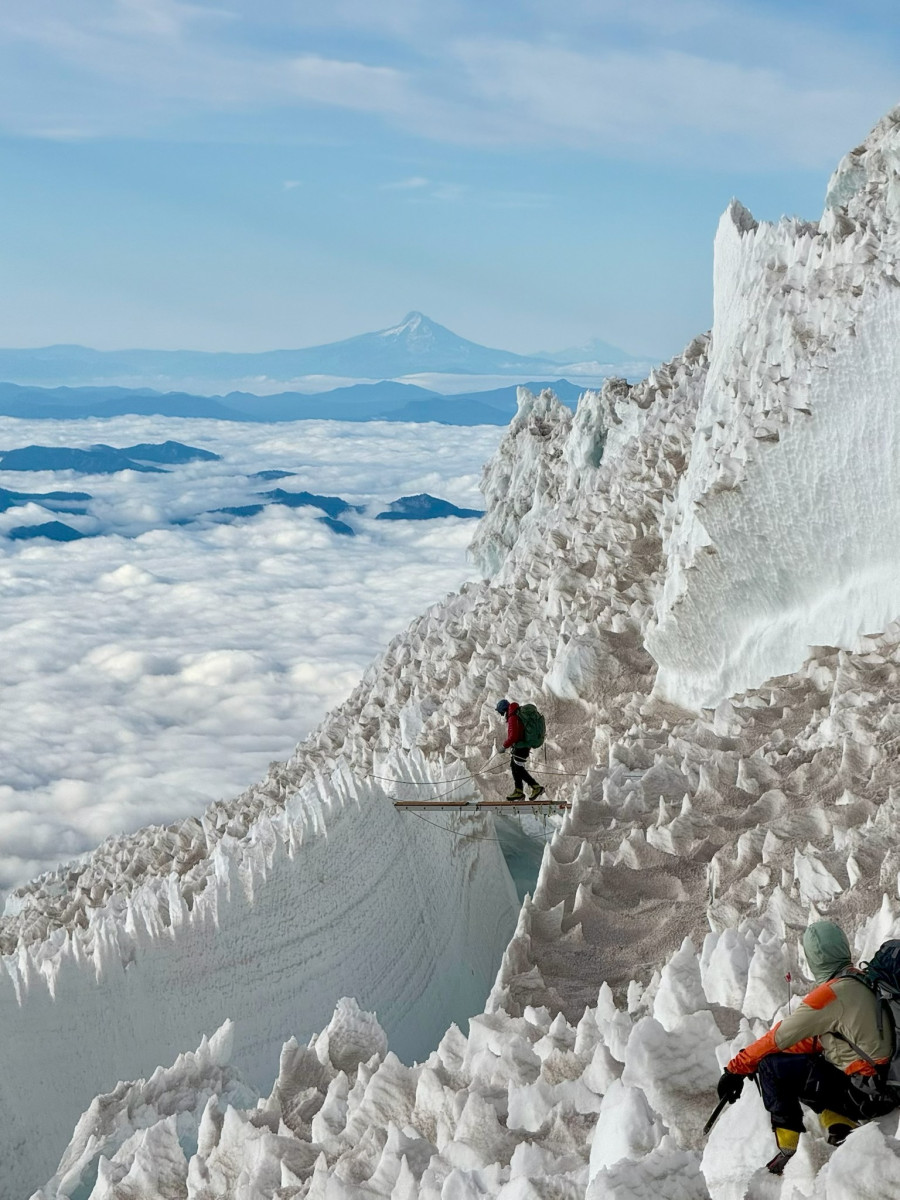
As we move south and east, the focus shifts to Iceland’s glaciated volcanoes and alpine peaks. Climbs on Hekla and Eyjafjallajökull offer long, rewarding day ascents through lava fields, snow, and ice, while skills training takes place on outlet glaciers such as Svínafellsjökull, where we practice crevasse rescue and ice climbing amid sculpted ice formations. Later in the trip, climbers take on a more alpine objective with an ascent of Hrútsfjallstindar, a demanding climb on the edge of the vast Vatnajökull, Europe’s largest glacier.
Throughout the expedition, all climbs are completed as single-day objectives, allowing climbers to return each evening to comfortable hotels, freshly cooked meals, and time to recover. Weather contingency days open the door to exploring glacial lagoons such as Jökulsárlón, coastal bird cliffs, and black-sand beaches near Vík, reinforcing the sense of exploration as well as climbing. Operated by our experienced local partners and supported by Alpine Ascents’ guiding philosophy, this program offers a uniquely enchanting way to enjoy alpine terrain and dive into one of the most otherworldly landscapes on Earth.