Cascades 13 Day Mountaineering Course
Washington13 Day Mountaineering Course
- Mountaineering School
- Pack Weight: 60 Lbs
- 13 Days
- Gallery
- Dates & Pricing


The 13 Day Mountaineering Course is the most comprehensive course (as it covers both rock and glacier instruction) we offer and is an incredible opportunity to learn basic mountaineering skills, rock climbing techniques and advanced alpine climbing topics. This course essentially combines the 6-Day Mountaineering Course, the 5-Day Rock Climbing Course, as well as many aspects of our 8-Day Intermediate Course into a single package.
Our course takes place in the North Cascades, a range filled with a variety of readily accessible teaching terrain. This is a challenging program that will leave the student with a well-rounded skillset to jumpstart their climbing career, as well as amazing memories from nearly two weeks of exploring the best climbing Washington has to offer.
Our first 5 days are on Mount Baker, covering skills for glacier travel and making a summit attempt. After descending, we turn our focus to rock-climbing and head to our rock climbing area. For this portion of the course we often choose the fantastic crags of Mazama, WA, which have some of the best sport climbing in Washington. After developing our base rock-climbing skills, we plunge deep into the North Cascades to put our new skills to the test on exhilarating alpine climbs. This program will include several challenging summit attempts on varying terrain, and each objective will be chosen to leverage the best climbing conditions of the area and group interest.
This course serves as a prerequisite for many of Alpine Ascents’ intermediate-level climbs and is a steppingstone to more technically difficult climbs around the world.
Course Highlights

World-Class Reputation: One of the world’s finest and most renowned climbing schools

Decades of Experience: The 13 Day course has been the foundation of our school for over 30 years

Multiple Summits: Course includes a summit climb of Mount Baker, one of the premier glacier training grounds in the US and at least one or two additional summits in the North Cascades (Forbidden Peak, Shuksan, Sahale, etc.)

Expert Guides: Deep technical knowledge, global expedition experience, and a strong emphasis on teaching

Round-trip Transportation: Included during the entire 13 day course.

Core Technical Skills: Glacier travel, cramponing technique, rope and belay systems, self-arrest, crevasse rescue, rappelling, and route finding

Meal Planning: Learn to plan, pack, and prepare efficient, calorie-appropriate meals for alpine environments

Personalized Evaluation: Each climber receives individual feedback on their strengths, areas for growth, and recommended next steps in their climbing journey

Gear Support: Full-service gear department for equipment questions, consultations, and rentals

Personal Consults: Personal training consults available

Wilderness Navigation: Hands-on instruction in wilderness navigation using map, compass, and GPS.

Hazard Awareness: Learn to evaluate alpine hazards, including rockfall and glacier conditions, while developing critical decision-making and group management skills.
Alpine Ascents Mountaineering School

How to Choose a Course
Choosing a Mountaineering Course
Learn More
What You'll Learn
Course Learning Objectives and Outcomes
Learn More
Where This Course Takes You Next
Next Steps in your Mountaineering Progression
Learn More
Mountaineering School History
30+ Years of Mountaineering School on Baker and Rainier
Learn More
The Alpine Ascents Way
Our Ethos for the Alpine Ascents Mountaineering School
Learn More
Course Venue & Location
Learn More
This course far exceeded my already optimistic expectations!
I learned so much and feel very ready to utilize the skills learned. This class also exposed areas where I was weaker and shed light onto parts of my climbing that I need to work on. I am so happy I did this course!
Best teachers in the business.
Learning Objectives
The 13-Day Mount Baker program is designed as a foundational training course for climbers who want to build real, transferable skills for glaciated and alpine environments. It is best suited for beginner to intermediate climbers who are motivated to develop strong fundamentals in snow travel, glacier travel, rope systems, crevasse rescue, movement on snow and ice, and risk-aware decision-making in complex mountain terrain. Whether your goals include climbing independently, joining future guided expeditions, or building toward larger international objectives, this course provides a critical skills base for progression.
Over the years, this program has served as a springboard for hundreds of climbers—supporting everything from personal alpine goals to professional guiding and expedition careers. Numerous climbers who began with this course have gone on to summit major peaks around the world, including Denali and Everest, while many others have used the training to become more competent, self-reliant independent climbers in the Cascades and beyond.
Technical Skills
Students will develop and improve hands-on technical skills essential for safe snow and alpine climbing, including:
- Glacier travel fundamentals (rope team movement, spacing, and terrain negotiation)
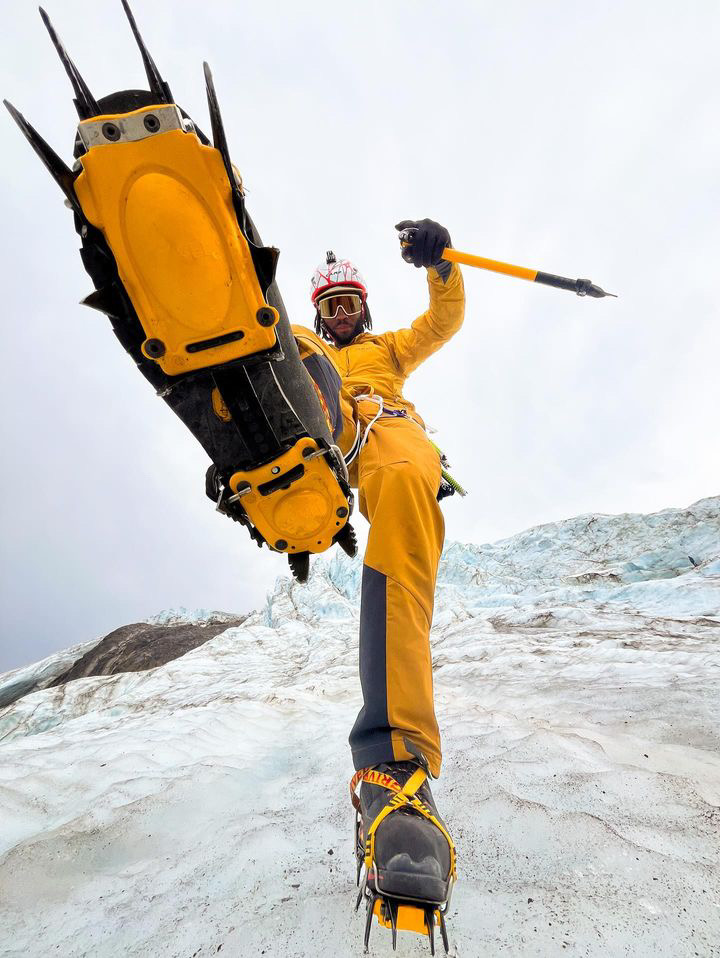
- Proper crampon use for snow and ice travel
- Rope handling and belay systems for snow and glacier terrain
- Self-arrest techniques with an ice axe on snow slopes
- Crevasse rescue setup and execution basics
- Route finding in alpine terrain
- Rappelling and descent methods on snow and ice
- Risk-aware climbing (hazard recognition and mitigation)
- Rock climbing and Alpine Rock climbing fundamentals
- Belaying and rappelling
- Crack and face climbing techniques
- Top roping/ lead climbing / multipitch climbing
- Wilderness navigation (map, compass, GPS)
Hazard Awareness and Decision-Making
Students will enhance their capacity to independently evaluate objective and subjective risks in the alpine environment, including:
- Identifying and responding to rockfall hazards
- Assessing glacier conditions (crevasse patterns and ice stability)
- Evaluating gear performance across varying terrain and conditions
- Developing critical decision-making skills under changing mountain conditions
- Gaining group travel experience and teamwork skills
- Navigating in low-visibility or whiteout conditions using map, compass, and GPS
- Understanding and reacting to dynamic weather patterns in alpine settings
Meal Preparation
Climbers plan, pack, and prepare efficient, calorie-appropriate meals for alpine environments, with instruction provided along the way [view a sample mountain meal plan].

Where This Course Can Take You Next
The 13 Day Mountaineering Course on Mount Baker and in the North Cascades serves as a foundational training course for climbers who want to build real, transferable skills for glaciated and alpine environments. It’s best suited for beginner to intermediate climbers motivated to develop strong fundamentals in snow travel, glacier travel, rope systems, crevasse rescue, movement on snow and ice, and risk-aware decision-making in complex mountain terrain. Whether your goals include climbing independently, joining future guided expeditions, or building toward larger international objectives, this course provides a critical skills base for progression.
Graduates often use this course as a prerequisite for many of Alpine Ascents’ intermediate-level climbs and as a stepping stone toward more technical, higher-altitude objectives. Successful completion can help support future applications for major expeditions, including Denali, when combined with appropriate fitness and recent glaciated climbing experience. For climbers building toward big-mountain objectives, this course establishes the movement skills, systems knowledge, and mountain judgment essential for safe progression.
It’s important to note that climbers will develop skills at different rates. Not every climber leaves the course with the same level of technical proficiency, efficiency, or comfort in complex terrain. Some graduates are ready to move quickly toward more advanced objectives, while others benefit from additional experience on similar-level climbs before progressing. Alpine Ascents’ guides provide individualized feedback and recommendations to help each climber choose appropriate next steps based on performance, fitness, and overall readiness.
Typical next objectives after this course may include:
- International: Ecuador Volcanoes, Orizaba, Bolivia,
- Advanced beginner peaks in Nepal
- Aconcagua
- Denali
30+ Years of Mountaineering School on Mount Baker & North Cascades
Alpine Ascents brings more than 30 years of guiding experience in the Cascades and on the world’s highest peaks. As one of our foundational training courses, this long-standing program has helped launch the alpine careers of countless climbers who have gone on to pursue objectives around the world. Our deep experience on Mount Baker and in the North Cascades allows us to operate with refined logistics, conservative decision-making, and consistent guiding standards— creating a focused, supportive learning environment for meaningful skill progression.
Mount Baker and its vast glaciers provide an exceptional training venue for learning and refining technical mountaineering skills in real alpine terrain. Located in Washington’s Cascade Range—home to dozens of peaks over 8,000 feet, hundreds of glaciers, and extensive permanent snowfields—the region offers a diverse and dynamic classroom for alpine education. The scale and variety of terrain on Mount Baker allow instructors to teach glacier travel, crevasse rescue, rope systems, and movement on snow and ice in authentic mountain conditions, giving students meaningful, transferable experience they can apply to objectives around the world.

The Alpine Ascents Way
Our guiding team is made up of full-time professionals known for their technical expertise, leadership, and ability to teach in demanding mountain environments. Many have earned industry awards and have spent much of their careers guiding with Alpine Ascents. More than just strong climbers, our guides are dedicated mountain educators who provide individualized coaching and professional mentorship,—helping each participant grow, gain confidence, and move closer to their climbing goals.
Instruction is inclusive, supportive, and community focused. We strive to create a safe, welcoming environment where all climbers feel encouraged, respected, and empowered to learn.
Seattle-Based
Alpine Ascents is one of the only guide services based in Seattle, offering round-trip transportation from Seattle to Mount Baker and back. Our shuttle eliminates the cost of a two week car rental.
Guides
Our guiding team includes full-time professionals known for their technical expertise, leadership, and ability to teach in demanding mountain environments. Many have earned industry awards and have spent much of their careers guiding with Alpine Ascents. More than just strong climbers, our guides are dedicated mountain educators who provide individualized coaching and mentorship that helps each participant grow, gain confidence, and move closer to their climbing goals.
Gear Department
Alpine Ascents has a full-service gear department ready to assist with your gear questions and preparations. Our store and rental fleet offer top quality climbing gear. All Alpine Ascents climbers receive a discount on every purchase at our gear store.
About The Course
Alpine Ascents brings more than 30 years of guiding experience in the Cascades and on the world’s highest peaks to our mountaineering courses. The 13-Day course reflects the same standards of quality, client care, risk management, and environmental stewardship that define our global expeditions. The glaciated terrain, complex route options, and variable weather within Washington’s Cascade Range provide an ideal classroom for developing core alpine skills in a true mountain environment. Our depth of experience allows us to operate with refined logistics, conservative decision-making, and consistent guiding standards—creating a focused, supportive learning environment for meaningful skill progression.
Throughout the course, instruction is led by Alpine Ascents’ highly trained mountain guides with a strong focus on hands-on learning, skill progression, and mentorship in real mountain terrain. The13-Day Mountaineering course is intentionally structured to provide repeated practice of core alpine systems—including glacier travel, rope team management, crevasse rescue, and movement on snow and ice—while building strong foundations in risk assessment, communication, and decision-making. Guides tailor instruction to individual experience levels, providing personalized coaching, feedback, and skill refinement to help students leave the course more competent, confident, and prepared for future alpine objectives. We spend all 13 days of the course in the field.
The North Cascades
The North Cascades in Washington state form the largest and most rugged alpine wilderness mountain range in the contiguous United States. Contained within this range are scores of peaks topping 8,000 feet, upwards of 400 glaciers, and countless permanent snowfields. Most of the high peaks in the North Cascades are composed of metamorphic or intrusive igneous rocks. These weather-resistant rocks have been heavily sculpted by alpine glaciation, producing stunning peaks and ridges. These breathtaking views and the wide variety of alpine climbing have earned the area the nickname “The American Alps.” The North Cascades are considered the premier training ground for developing alpine climbers.
The weather in the North Cascades can be extremely variable, with snow below 3,000 feet. Precipitation levels are heavy, particularly during the winter months. “Variable conditions” also include glorious weather for lengthy periods, usually in late summer. For instructional purposes, the optimum time to climb in the Cascades is from early May through late August. This is when the combination of weather and snow conditions is usually at its best.
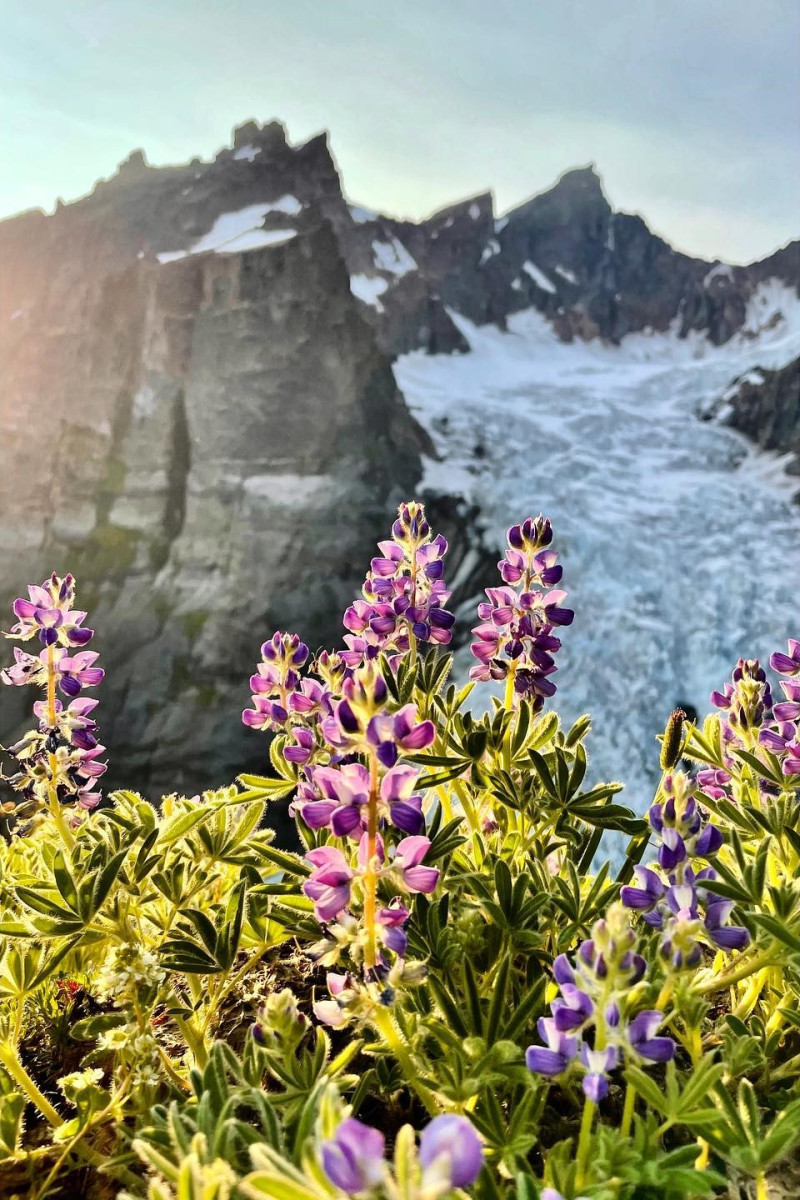
The vegetation and wildlife of the North Cascades are interesting and diverse. Approximately 150 common species and another 100 or so less common species of wildflowers bloom during the summer. This range is aesthetically exceptional and we hope you find yourself returning many times to enjoy its grandeur.
Many who have been introduced to the world of alpine climbing in the Cascades have gone on to climb in the world’s greatest mountain ranges. We hope our program will be the first step towards a lifetime of mountaineering.
Climbing Venues
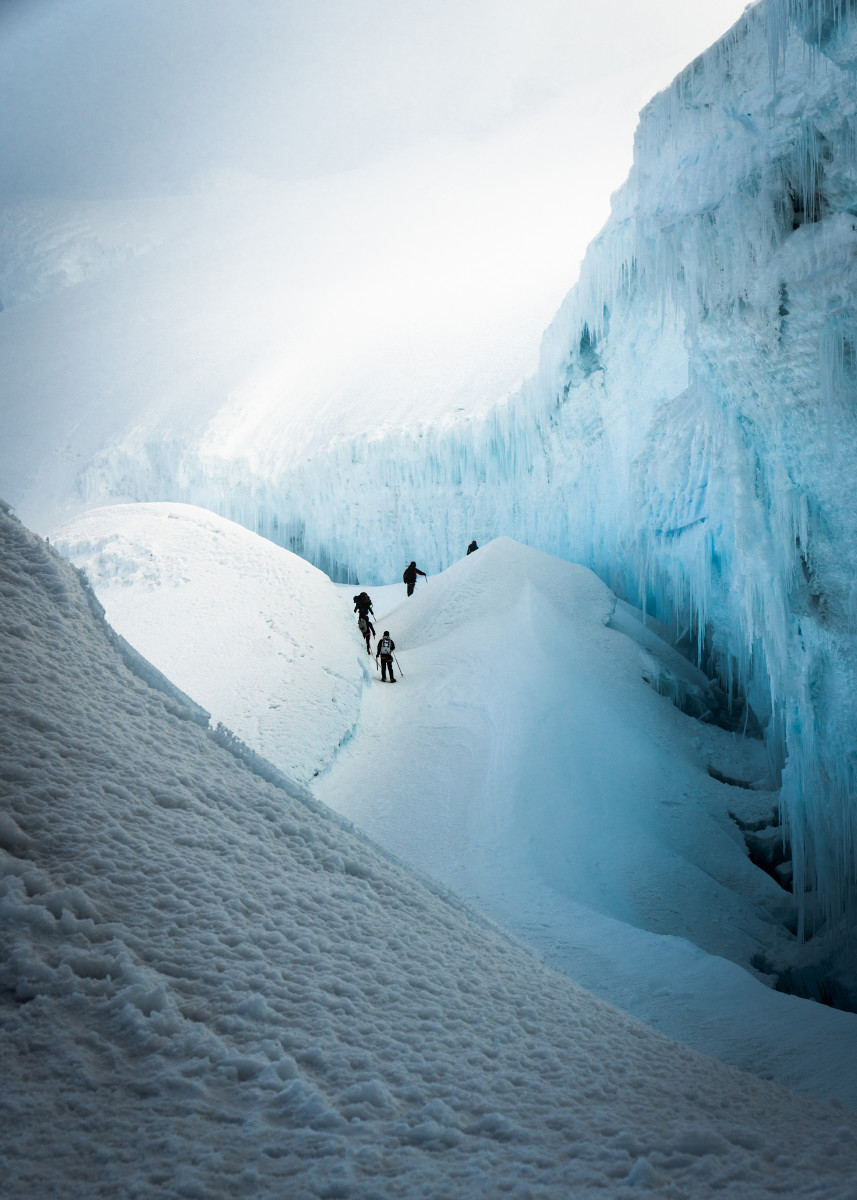
Mt. Baker (10,781 ft.), the highest point of the North Cascades, is a heavily glaciated dormant volcano. The twelve active glaciers of Mt. Baker cover an area exceeding 20 square miles. Mt. Baker is unique in its great mass of snow and ice and easy accessibility. This combination creates a perfect alpine training ground.
Mt. Shuksan (9,127 ft), is an immense and aesthetically magnificent mountain, arguably the most iconic in the North Cascades. It stands as one of the finest mountaineering objectives in the range, requiring a variety of alpine climbing techniques to reach its airy summit.
Forbidden Peak (8,818 ft.), lies in the heart of the North Cascades and is one of the crown jewels of the region. Stunning glacier vistas, solid rock, and the sheer majesty and position of the peak combine to make this a truly memorable ascent. After a short but demanding approach, climbers will utilize steep snow-climbing skills and put their rock climbing prowess to the test on this airy summit climb.
Sahale Peak (8,680 ft.) presents another classic North Cascades wilderness mountaineering objective and is a favorite among our guides. Climbers are rewarded with some of the best scenic views in the range. The corniced rock and snow summit ridge rises above the small, steep Quien Sabe Glacier and provides an aesthetic climbing line that’s accessible with basic skills.
Sharkfin Tower (8,120 ft) is an impressive 800′ granite spire that towers high above the Quien Sabe Glacier in Boston Basin. Sharkfin Tower features good rock with excellent exposure and in an unbeatable setting. To reach the summit, students must surmount steep snow and 5th class alpine rock.
Washington Pass – A veritable PNW alpine rock paradise, the routes at Washington Pass are long, moderate, and only require approaches of a few hours. Many of the routes reach peaks of over 7,000′ in elevation and feature some of the most spectacular panoramic views in the entire North Cascades. Plus, the rock is some of the best quality in the entire state!
Mazama – Just east of Washington Pass, Mazama features some of the best single and multi-pitch sport climbing in Washington. There has been significant new route development over the past ten years and climbers will find a variety of excellent routes at all levels. One of the highlights of the area is the Goat Wall, which is a 1,500′ wall that is home to long bolted routes of 11-18 pitches.