Great Peaks of Peru
Chopicalqui (20,846FT / 6,354M) - Ishinca (18,138FT / 5,528M) - Urus (17,777FT / 5,418M) | PeruClimbing the Great Peaks of Peru
- Worldwide Expeditions
- Pack Weight: 35 lbs.
- 18 Days
- Gallery
- Dates & Pricing


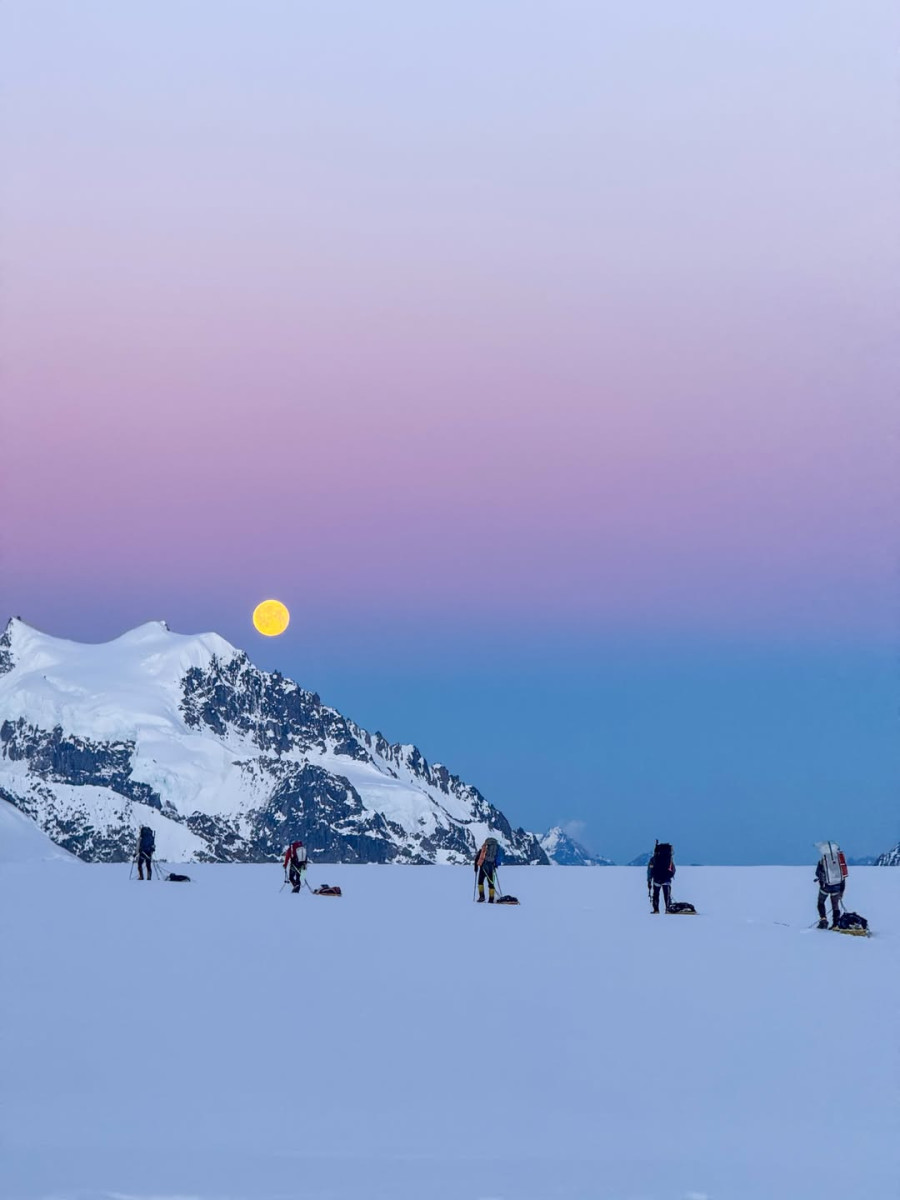
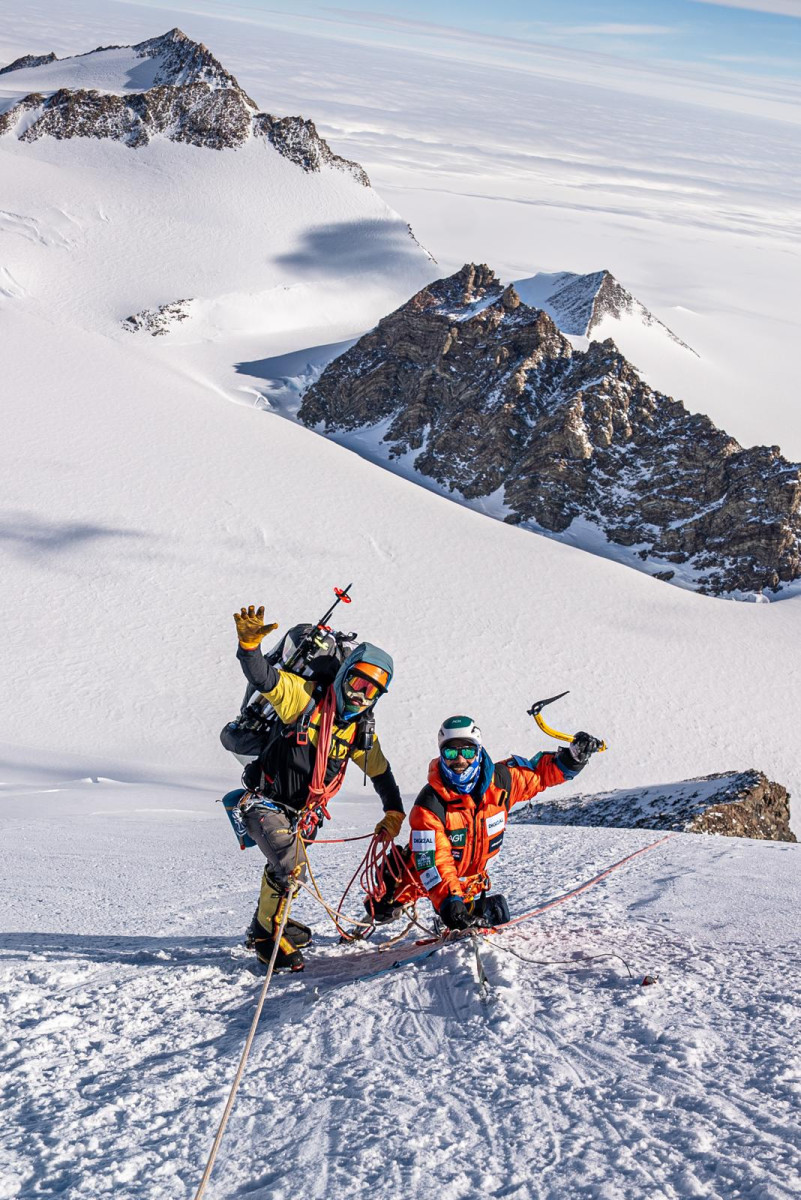
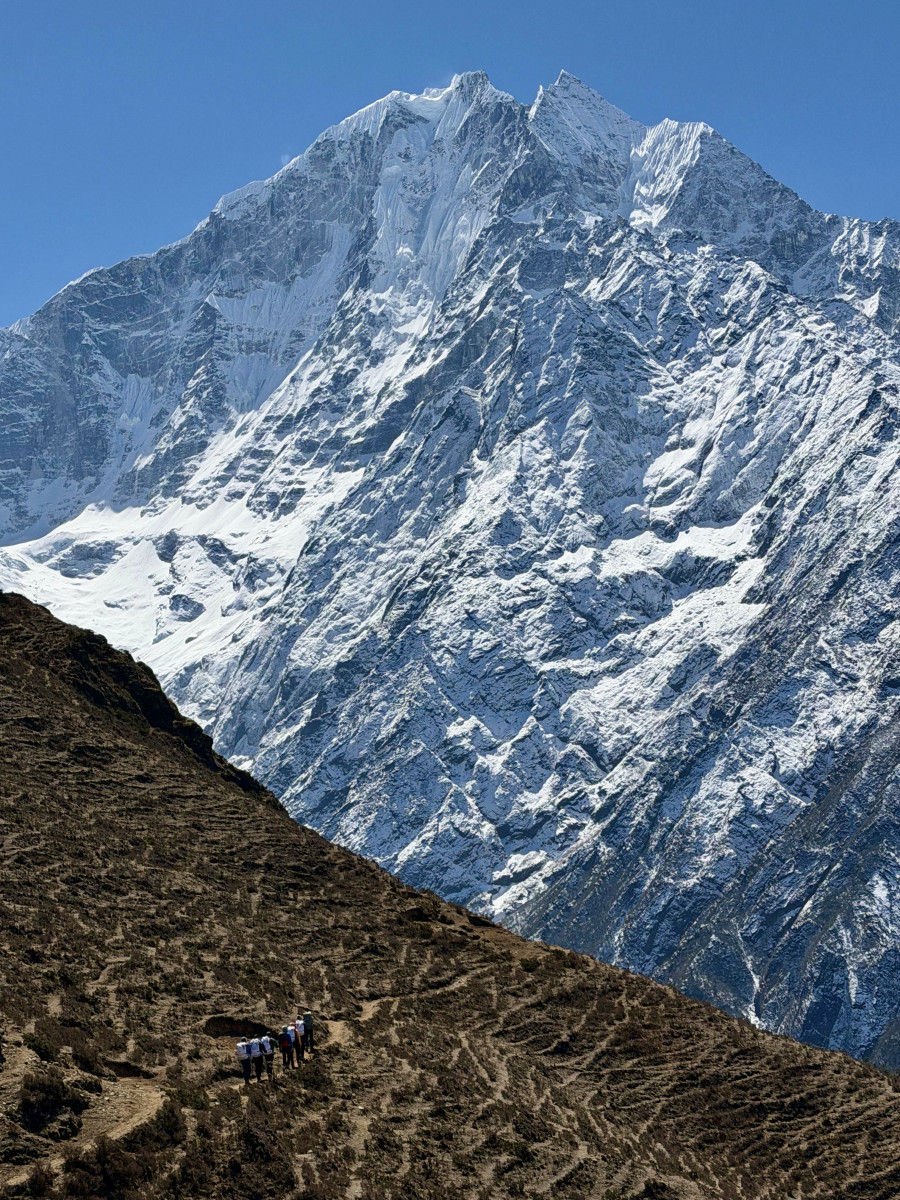
Home to knife-edge ridges, immense glaciers, and steep ice faces, the Cordillera Blanca (“White Range”) delivers some of the finest alpine climbing on the planet. Over a single expedition, climbers take on three of Peru’s most beautiful high-altitude peaks: Urus (17,777 ft. / 5,418 m), Ishinca (18,138 ft. / 5,528 m), and Chopicalqui (20,846 ft. / 6,354 m). Each climb builds on the last, culminating in Chopicalqui, one of the finest objectives in the entire range. Along the way, climbers are welcomed by warm, generous locals and scenery that stops you mid-step: turquoise alpine lakes, grazing llamas, and glaciated summits at every turn. Expeditions are led by hand-picked South American guides or US-based Alpine Ascents guides, ensuring expert leadership at every step.
Climbers with experience on moderate-altitude peaks like Mount Rainier or Mount Baker, ready to push further, will find this expedition a perfect fit. For many, our Peru program is the steppingstone to bigger objectives like Denali, and the place where real confidence at altitude is built.
Key Components

Local Partnership: Long-term relationship with a trusted local outfitter delivers unmatched, on-the-ground knowledge, in-country support, and the ability to adapt as conditions change

Guide Ratio: Low 3:1 climber-to-guide ratio gives climbers individualized instruction and strong summit-day support

All-Inclusive Logistics: All in-country transportation, lodging, and meals while trekking and climbing are included

Acclimatization Schedule: A curated itinerary builds in time for ideal acclimatization and flexibility.

Gear Support: Full-service gear department for expert equipment support and rentals

Porter and Pack-Animal Support: Porters and pack-animals establish camps and lighten climber packs

The guides were outstanding!
Truly caring and VERY patient. Alpine Ascents runs a top notch program, and the guides and assistant guides were an integral part of it.
I enjoyed my expedition very much. Great itinerary with lots of mountains to climb. All skills review sessions were good, thorough, guides were patient and explained things clearly. Good progression of mountains.
We were spoiled during the entirety of the trip.
Lodging was excellent. The food was magnificent. The weather was great. I even had the opportunity to sleep out under the brilliant stars at high altitude.
Yes, I enjoyed my expedition very much.
Great itinerary with lots of mountains to climb. All skills review sessions were good, thorough, guides were patient, explained things clearly, etc. Good progression of mountains
About the Cordillera Blanca
The Cordillera Blanca is the highest tropical mountain range in the world and the most extensive tropical ice-covered range on Earth, holding the largest concentration of glacial ice in Peru. Located in the Ancash region and centered around the hub city of Huaraz, the range spans roughly 125 miles (200 km) and is home to hundreds of glacier-clad peaks, including five of the most spectacular summits above 6,000 meters in the Peruvian Andes. Chief among them is Huascarán, the range’s highest peak, rising to 6,768 meters. The Blanca also serves as a continental divide: the Santa River, on its western flank, drains into the Pacific Ocean, while the Marañón River, on the east, feeds into the Atlantic.
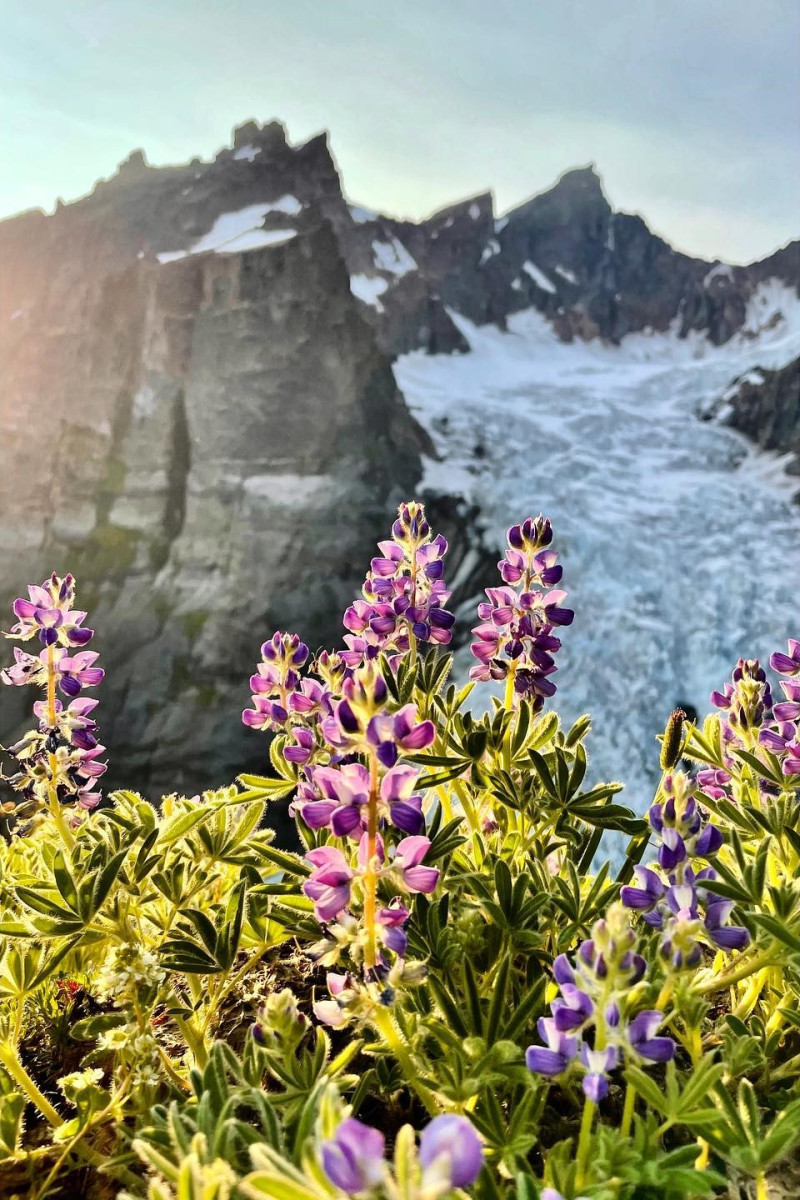
Beyond the summits, the Cordillera Blanca’s landscapes are richly varied. Turquoise alpine lakes sit beneath towering glaciated walls, and a network of world-class trekking routes winds through valleys framed by some of the most dramatic peaks in South America. Few ranges on Earth offer such a concentration of high-altitude beauty in so compact a stretch of terrain.

The Alpine Ascents Way
Our Peru program is based out of the mountain town of Huaraz, the “Chamonix of the Andes,” surrounded by the soaring peaks of the Cordillera Huayhuash and Cordillera Blanca and situated at a lofty altitude of just over 10,000 feet. The itinerary supports thoughtful acclimatization while immersing climbers in Peru’s dramatic landscapes and vibrant culture. Early days include stunning hikes to turquoise alpine lakes and sprawling glaciers.
The climbing progression is intentional and measured. Climbers begin with an initial skills review before moving to the beautiful Ishinca base camp, with spectacular views over the snowy Urus, Palcaraju, and Tocllaraju peaks, especially at sundown. We’ll start with Urus Este, a great peak for continuing to acclimatize as well as refresh skills; from the summit (18,138 ft. / 5,530m), the views south over the Cojup gorge lakes and surrounding mountains are exceptional. Skills review, glacier travel practice, and rest days are deliberately integrated into the schedule, while camp-based living and the use of pack animals introduce climbers to the rhythms of expedition-style mountaineering. From there, we’ll tackle Ishinca, with its pyramidal summit.
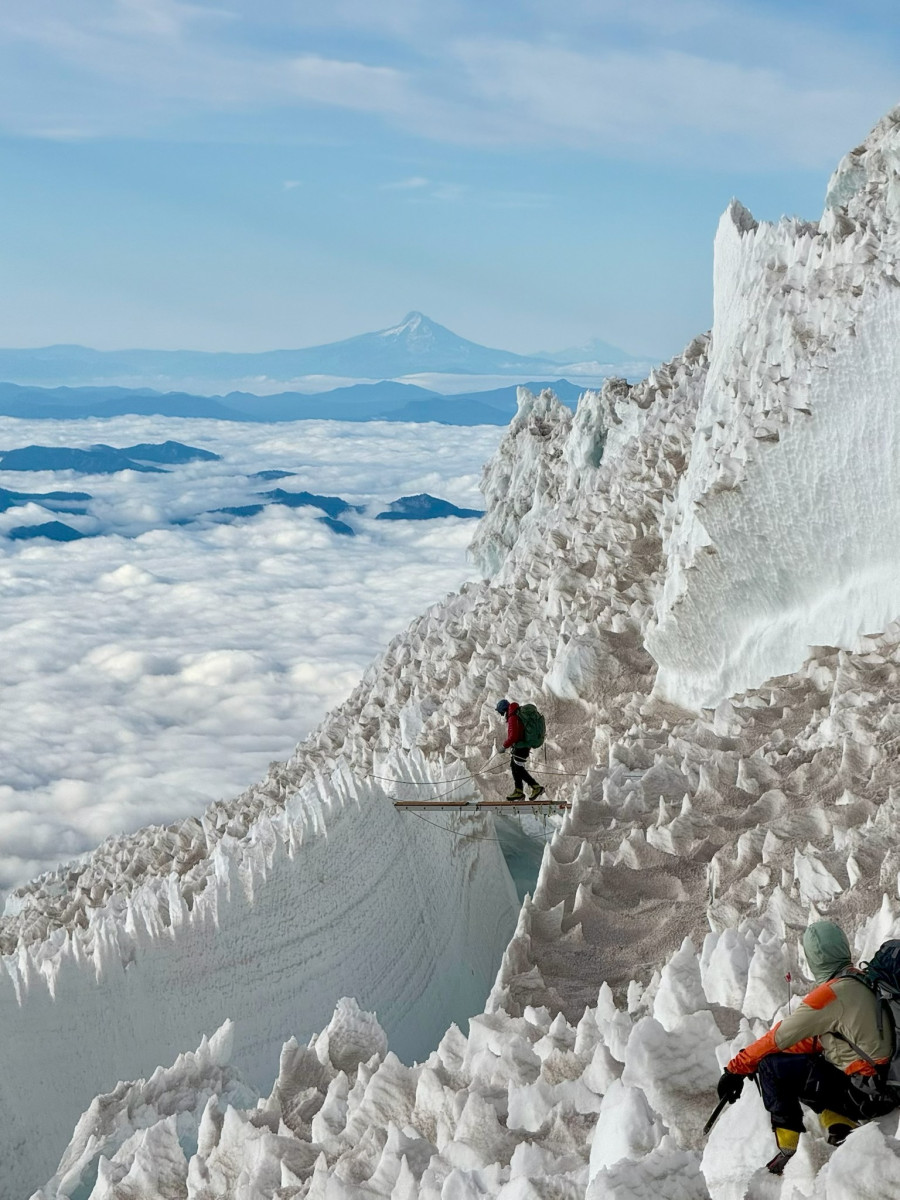
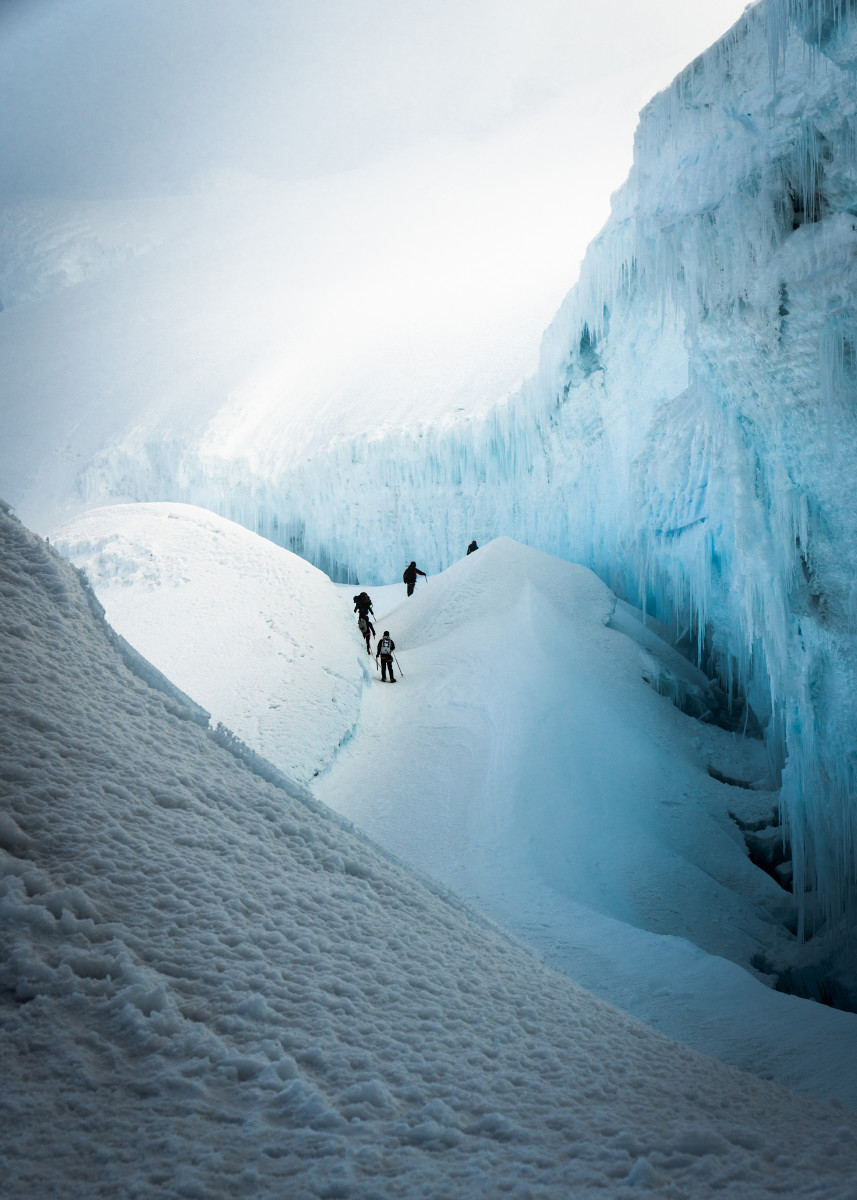
The culmination of the expedition is Chopicalqui. The usual route climbs steeply along crevassed terrain up to the elevated, tapering southwestern arête, made up of long traverses and short, steep sections. A little before the summit, we’ll meet two steep sections (50 to 55 degrees) linked by a traverse, though actual difficulty varies season to season. A final, aesthetic traverse following the crest of the ridge leads to the beautiful summit (20,846 ft. / 6,354m) with fantastic views.
What defines the Alpine Ascents experience in Peru is our balance between challenge and care. Conservative guide-to-climber ratios, experienced leadership, and a well-paced acclimatization schedule let climbers move efficiently while staying supported at every stage. This expedition is a natural progression for climbers stepping beyond front-country, high-altitude climbs and into more remote objectives. It offers invaluable experience for future goals such as Denali and stands on its own as a singular adventure in one of South America’s most inspiring and beautiful ranges.