Mount Baker North Ridge
10,781FT / 3,286M | WashingtonMount Baker - North Ridge
- Washington State
- Pack Weight: 50-55 Lbs
- 4 Days
- Dates & Pricing


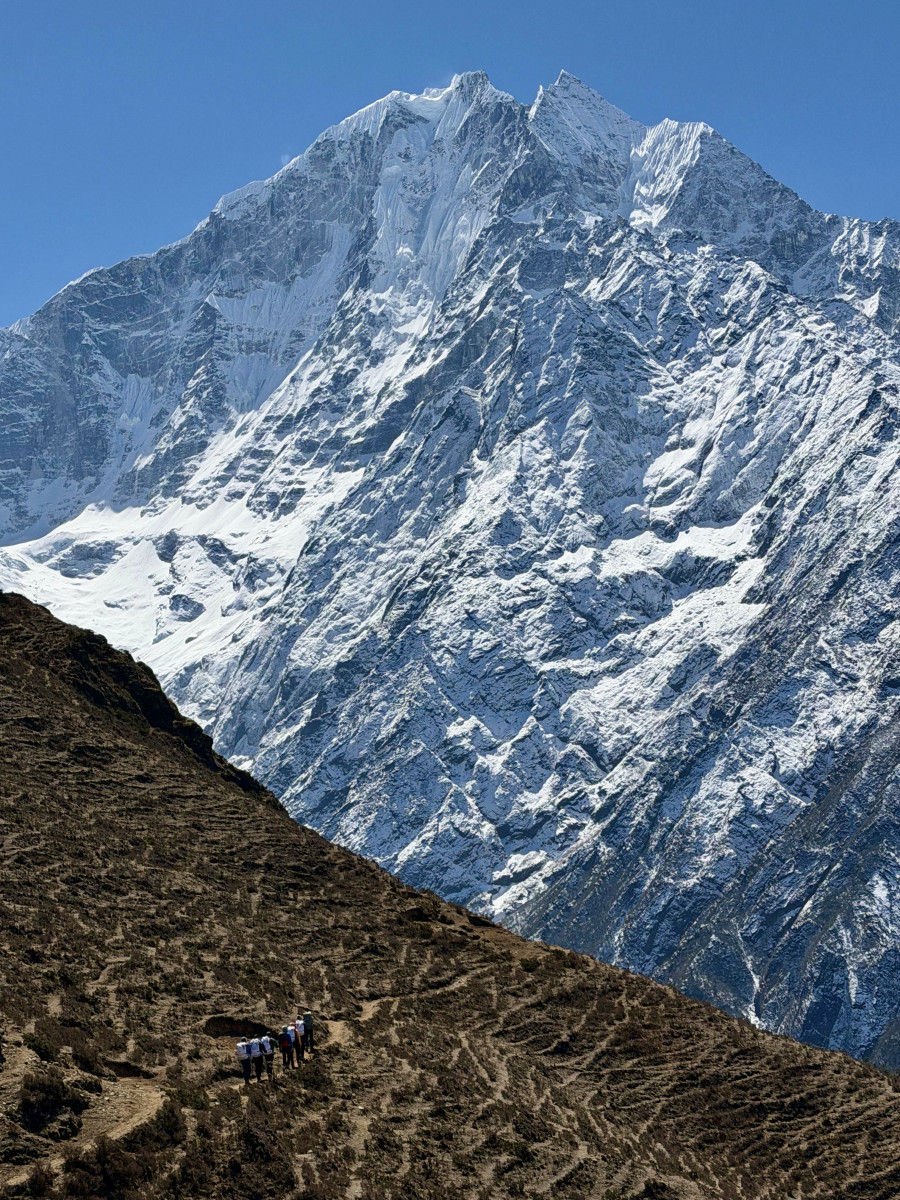
Mount Baker, (Koma Kulshan), rises prominently above the North Cascades and is one of the most glaciated peaks in the lower 48. Our North Ridge ascent offers one of the mountain’s most striking routes, climbing nearly 4,000 feet of steep snow and alpine ice directly to the summit of this iconic volcano. With sustained pitches of ice up to 70 degrees and a dramatic position high above the Coleman Glacier, this demanding route stands as one of the classic alpine ice climbs in Washington.
Our North Ridge ascent is an excellent next step for climbers with basic ice climbing skills and intermediate glacier travel experience, who are ready to expand their alpine skillset on this exceptional route.
Key Components

Guide Ratio: A 2:1 climber-to-guide ratio for small teams and personalized technical instruction

Itinerary: A four-day itinerary with a built-in alternative summit day for inclement weather

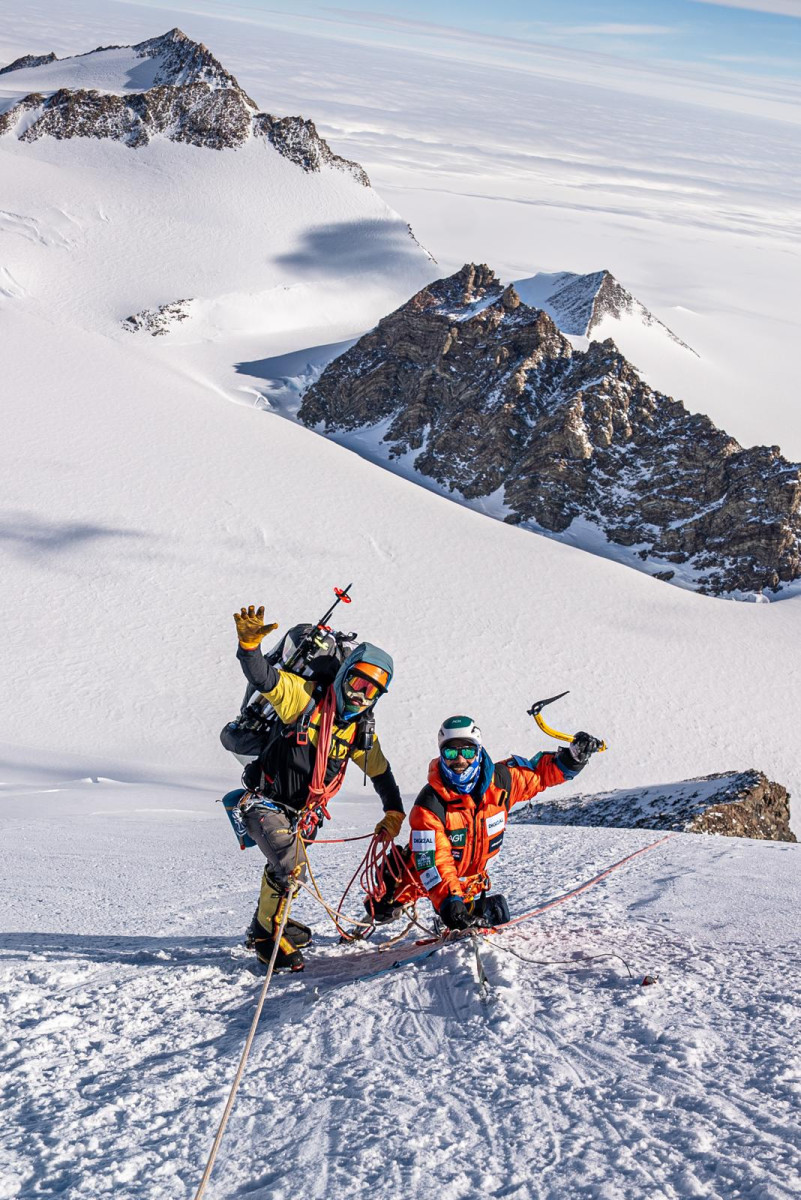
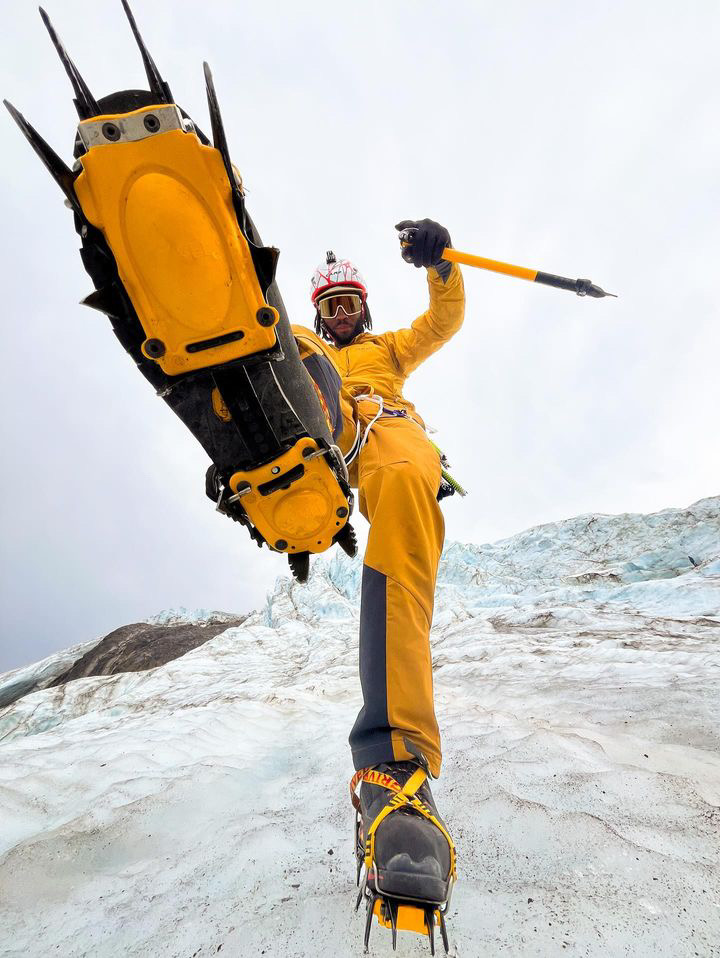
Skill Development: A dedicated full-day ice-climbing session on the Coleman Glacier, developing technique on 60–70-degree ice walls before the summit push

Instruction: An instruction-forward program that culminates in a technical summit climb on one of the North Cascades’ most iconic routes

Meals: On-mountain breakfasts and dinners prepared by guides

Gear Provided: All group climbing equipment, including ropes, technical hardware, and tents

Gear Support: Full-service gear department for expert equipment support and rentals

Team Size: A small group size of climbers—an intimate, high-attention environment ideal for skill development

The Alpine Ascents Way
Climbing the North Ridge of Mount Baker with Alpine Ascents means approaching one of the Cascades’ classic alpine ice routes with careful preparation, experienced leadership, and a strong instructional focus. Our climbs are led by professional, full-time mountain guides with extensive experience on steep snow and alpine ice terrain. Known for their sound judgment and teaching ability, our guides help climbers move efficiently and confidently through technical terrain while maintaining a safe and supportive team environment.
Our 2:1 climber-to-guide ratio allows for individualized coaching throughout the climb, particularly during the sustained ice pitches and complex glacier travel that characterize the North Ridge. Prior to heading into the mountains, climbers meet at Alpine Ascents headquarters for an in-person gear check with the guide team, ensuring equipment is properly fitted and appropriate for current mountain conditions. This preparation allows climbers to arrive at the trailhead organized and ready to focus on the climb.
Equally important is our ability to adapt to the ever-changing nature of alpine environments. With several days built into the itinerary and deep familiarity with Mount Baker’s north side, our guides maintain flexibility in route timing and daily plans to make the most of weather and snow conditions. This thoughtful approach—combined with strong logistics and experienced leadership—creates a climbing experience that is challenging, rewarding, and true to the spirit of Cascades mountaineering.

The Mountain
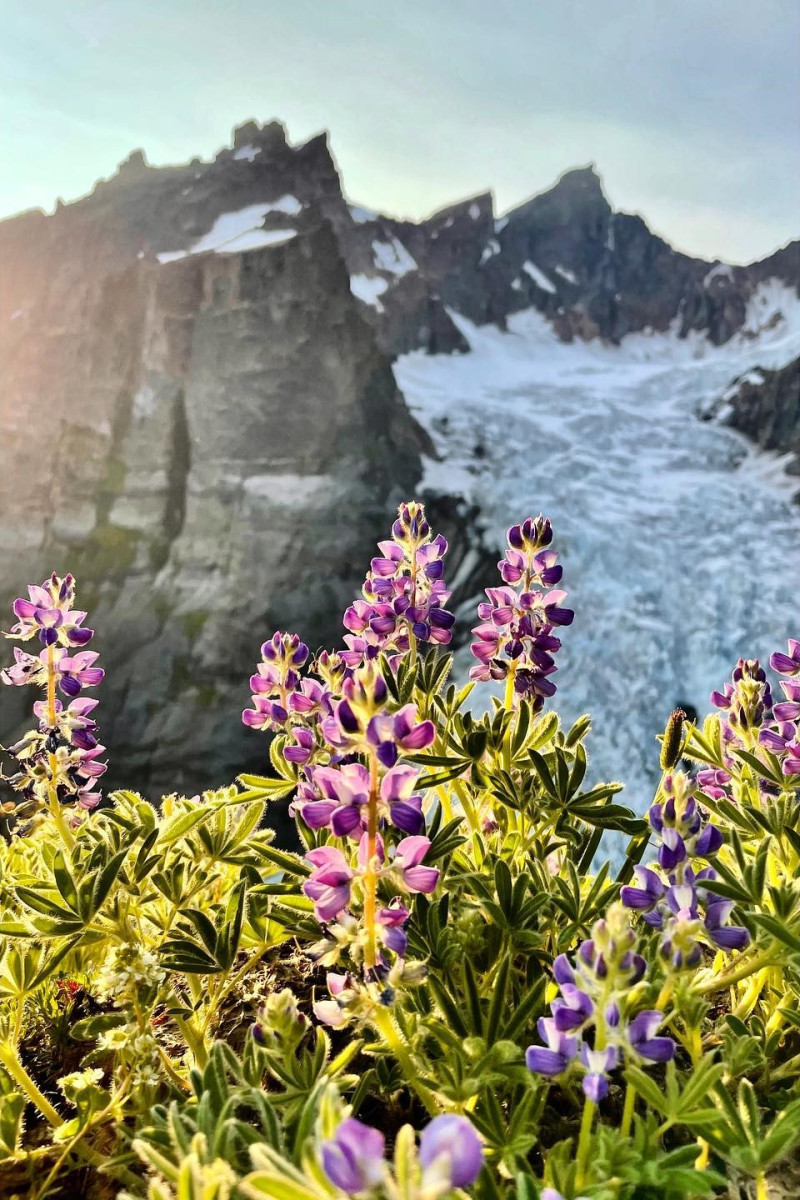
Mount Baker (10,781 feet)—known to the Coast Salish peoples as Koma Kulshan, meaning “great white watcher”—is the northernmost major volcano in the Cascade Range and one of the most heavily glaciated peaks in the contiguous United States. Massive glaciers spill down its flanks in every direction, carving deep valleys and feeding the rivers that flow toward Puget Sound and the Salish Sea. Unlike the rugged granite peaks that dominate much of the North Cascades, Mount Baker is a stratovolcano formed by layers of lava, ash, and volcanic debris, giving the mountain its broad, glaciated profile.
Mount Baker has long been a centerpiece of climbing in Washington. Today, the well-traveled routes of the Easton Glacier and Coleman-Deming are among the most popular glacier climbs in the U.S., while more technical lines—such as the North Ridge—offer steeper alpine ice climbing and a more committing mountaineering experience.
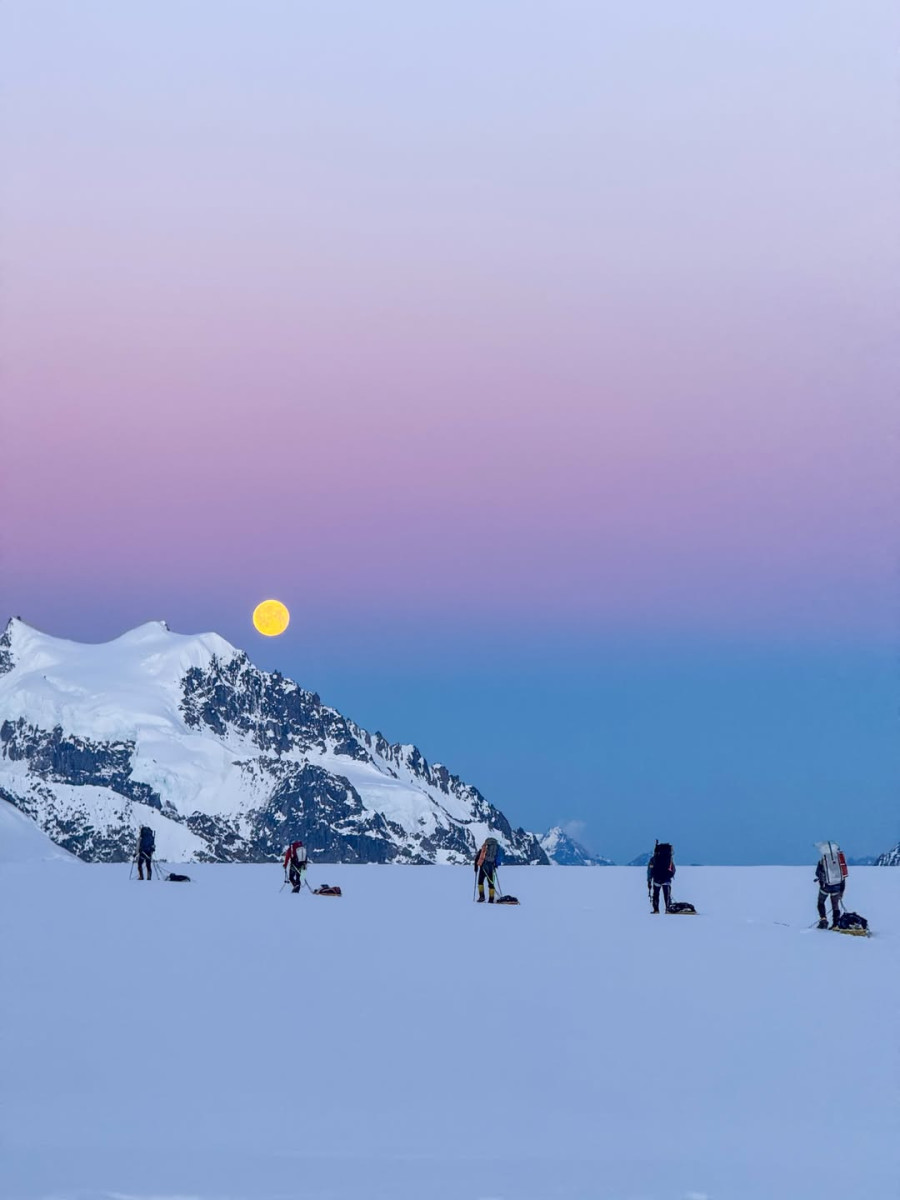
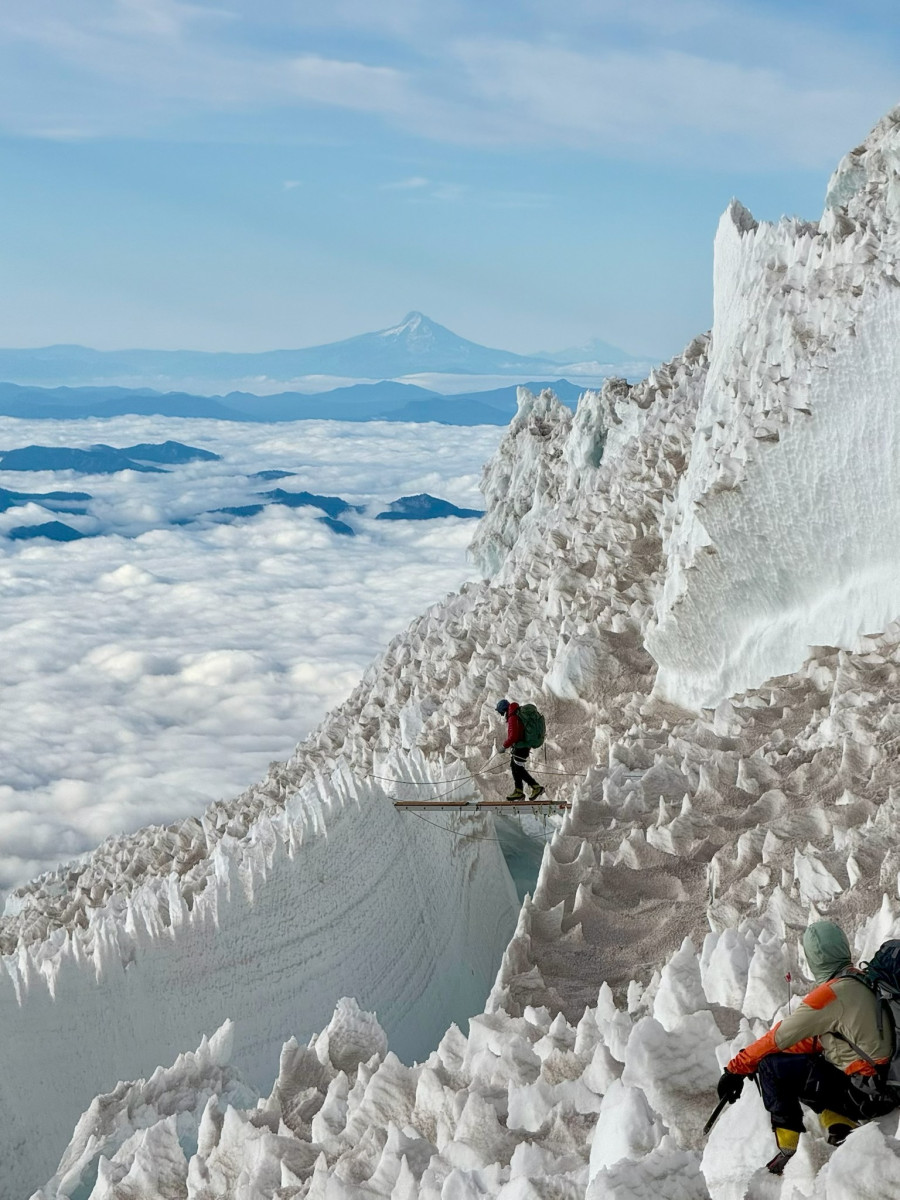
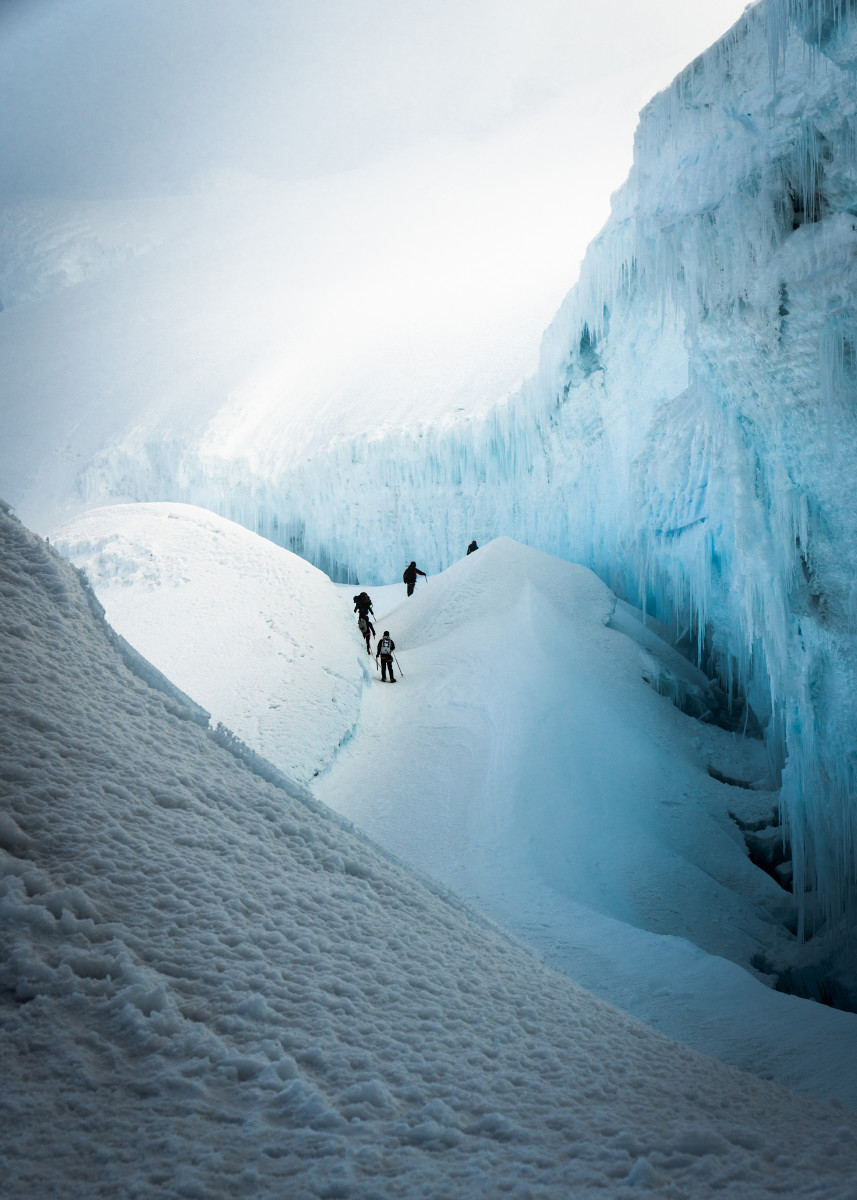
North Ridge Climb: The North Ridge rises nearly 4,000 feet from the Coleman Glacier to the summit plateau. From a distance, the ridge forms a striking spine of ice and snow running directly up the mountain’s northern face—an elegant line that has long attracted advanced climbers. After an approach across the crevassed Coleman Glacier, climbers gain the ridge and ascend sustained alpine ice. Depending on conditions, several pitches of climbing on 60 to 70-degree ice lead upward along the crest before the terrain eases near the upper mountain. From there, climbers continue across the broad summit slopes to the top of the volcano. The North Ridge offers a rewarding combination of glacier travel, steep alpine ice climbing, and sweeping views across the North Cascades.