Summer Haute Route Trek
Switzerland & FranceSummer Haute Route Trek
- Europe - Africa
- Pack Weight: 20 lbs
- 10 Days in country
- Gallery
- Dates & Pricing


This historic eight-day trek winds through mountain lake villages amid beautifully chiseled peaks in the heart of the European Alps. Beginning in Chamonix, France, and ending in Zermatt, Switzerland, we pass through some of the most beautiful mountainscapes the Alps have to offer.
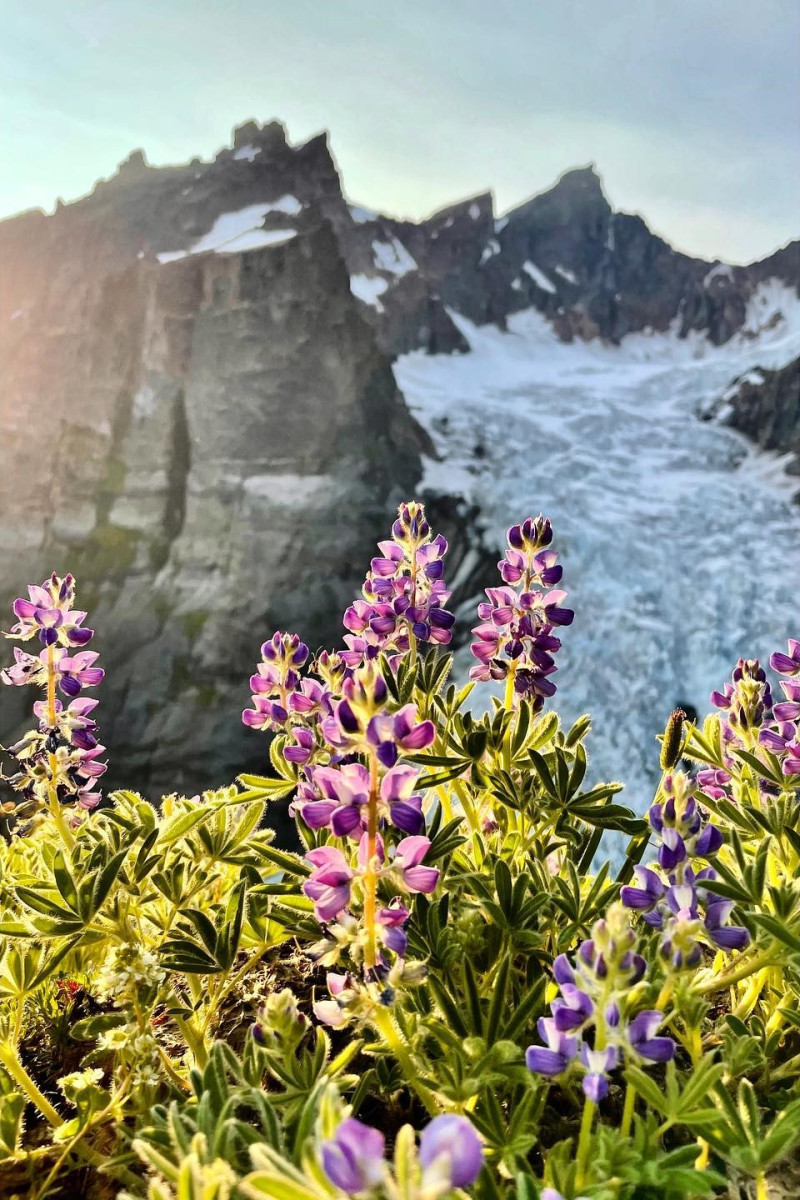
We stay in villages and huts perched on mountainsides. Each hut offers relaxed, three-course meals with time to enjoy the deck with a glass of wine or another beverage. Hut accommodation includes comforters and pillows, so our packs stay lightweight. This trek requires no technical mountaineering skill and is 100% on trail, though the terrain can be rough and uneven. Each day we trek through high mountain passes while skirting alpine meadows and wildflowers.
We begin our trek from Chamonix with a series of ski lifts and quintessential views of Mont Blanc and the Le Tour glacier. The trek culminates in the picturesque village of Zermatt, with iconic views of the Matterhorn.
Key Components

IFMGA-Certified Mountain Guide: All trips are led by bilingual, American IFMGA-certified guides with more than a decade of Alps experience

Legendary Route: The Haute Route is one of the most famous trekking routes in the Alps, connecting two legendary alpine towns—Chamonix, France, and Zermatt, Switzerland— celebrated for their mountaineering heritage, stunning scenery, and challenging terrain

All-Inclusive Package: Enjoy a hassle-free experience with everything included, from three-star hotels in downtown Chamonix and Zermatt to meals, trams, and mountain huts

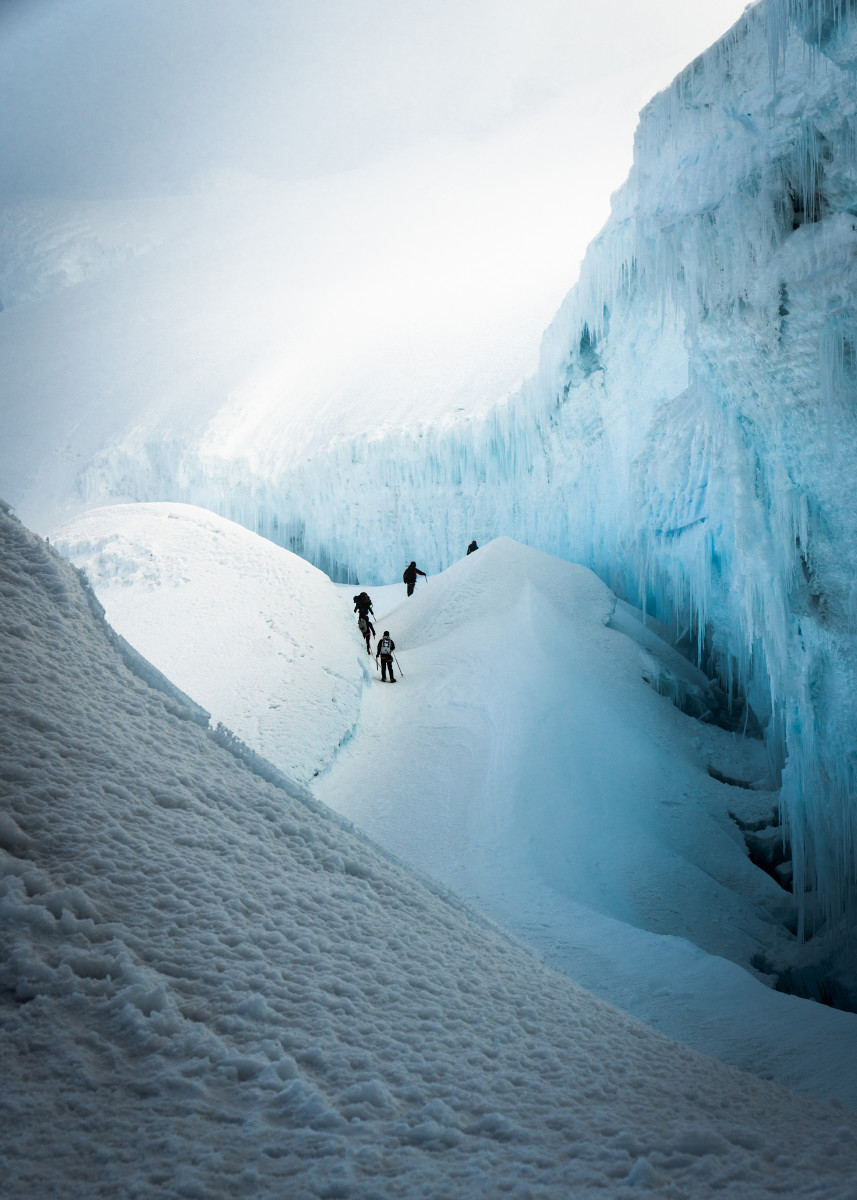
Diverse Landscapes: Trek through alpine meadows, glaciers, forests, and high mountain passes

Light Packs, Easy Transfers: Carry a 20-pound pack—luggage transfers occur twice during the trip, allowing you to travel light and refresh your trekking clothes mid-journey

Distance & Passes: Hike over 100 kilometers across eight distinct mountain passes, each offering unique panoramic views of the Alps and its iconic 4,000-meter peaks

Private Treks: We offer private treks for those who want to travel individually or on different dates


On the Trail
From the moment you arrive in Chamonix, the Summer Haute Route becomes more than a trek but a journey across the heart of the European Alps, linking two of the most storied mountain towns in the world. Over the course of the program, we travel from France into Switzerland, moving beneath towering peaks, across high alpine passes, and through traditional mountain villages before arriving in Zermatt in the shadow of the iconic Matterhorn.
Our program begins in Chamonix with a trip orientation and a detailed review of equipment. Once on the trail, we transition into hut-to-hut travel, staying in carefully selected mountain huts and lodges in both France and Switzerland. These huts are an essential part of the alpine experience: welcoming, communal, and perched in spectacular high-mountain settings. Most huts offer dormitory-style bedding with blankets, toilets, electricity, and hearty breakfasts and dinners. Some huts provide hot showers, depending on location and water availability.
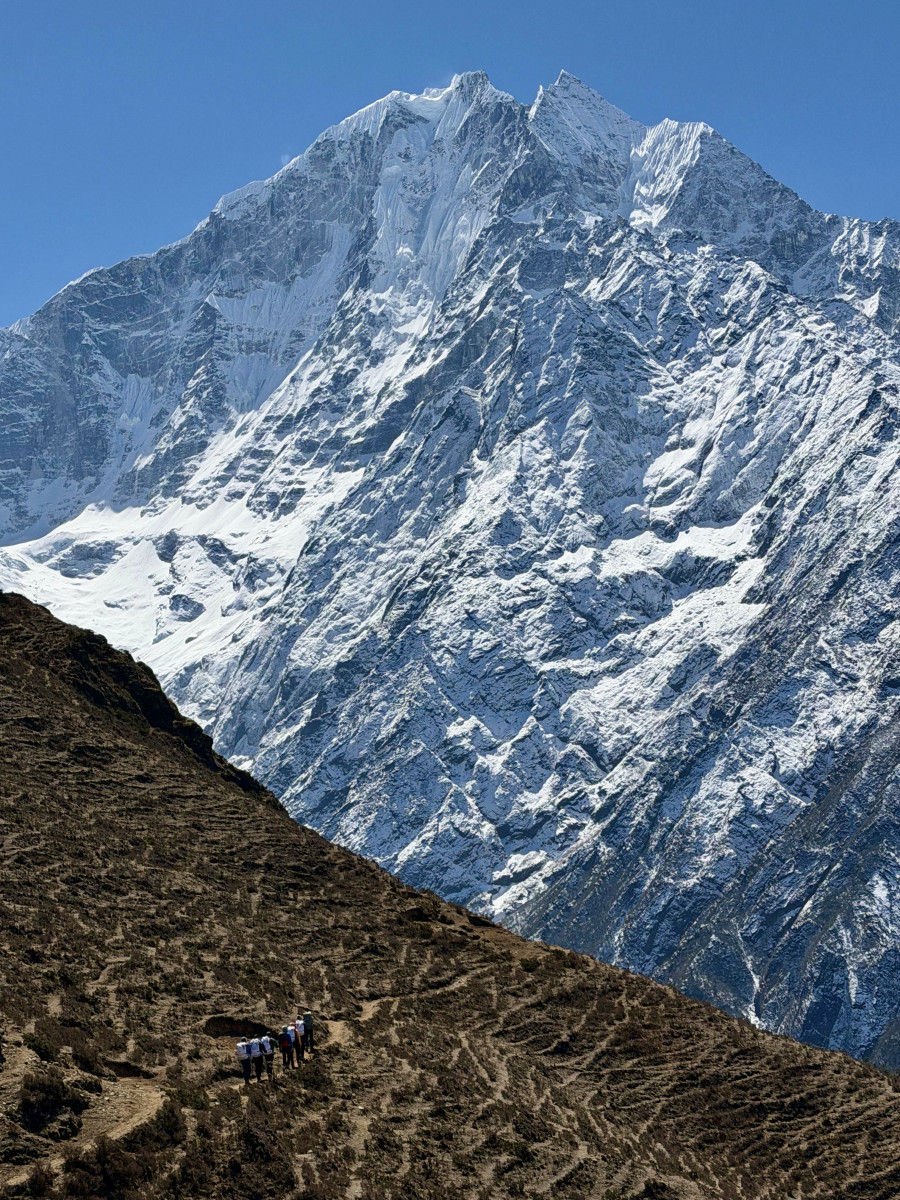
The terrain itself is wonderfully varied. Wide alpine meadows give way to glacial valleys, rugged passes, and panoramic ridgelines with sweeping views of Mont Blanc, the Pennine Alps, and the deep Swiss valleys below.
The Summer Haute Route is equal parts physical journey and cultural immersion. Along the way, we pass through traditional alpine villages, hear multiple languages, experience regional cuisine, and witness the deep-rooted mountaineering heritage that defines this region.

The Alpine Ascents Way
The Summer Haute Route experience is defined by thoughtful preparation, seamless logistics, and steady, professional leadership from start to finish. From the moment you arrive in Chamonix, our team works to ensure every detail is in place—hotel accommodations, hut reservations, lift access, route planning, and daily pacing—so you can focus entirely on your journey across the Alps.
We streamline the moving parts behind the scenes. Your main luggage is transferred by private driver and meets the group twice during the trek, then again at your hotel in Zermatt, allowing you to travel light between huts and move efficiently over high passes and alpine terrain.
Our Haute Route treks are led by experienced Alpine Ascents IFMGA guides selected for their mountain judgment, medical training, and ability to create cohesive, supportive teams. They bring professionalism without rigidity—balancing efficiency with patience, and challenge with encouragement. Beyond navigation and safety, our guides share insight into alpine geography, mountaineering history, and the cultural fabric of the French and Swiss Alps.
While this is a demanding trek, central to our philosophy is managing the terrain with thoughtful pacing. Guides carefully calculate and structure daily distances and elevation gain to promote steady progress while maintaining energy and morale over multiple days of travel. Our long-standing relationships with local partners and hut guardians further enhance the experience, ensuring smooth transitions and welcoming accommodations throughout the journey.

History and the European Hut System
The Haute Route traces its origins to the golden age of alpinism in the mid- to late-19th century, when British and European climbers began exploring the high peaks between Chamonix and Zermatt. Originally completed as a mountaineering traverse on skis in winter and later adapted as a summer high-level trek, the route links two of the most storied centers in Alpine history. It passes beneath legendary summits of the Mont Blanc Massif and the Pennine Alps, concluding with views of the iconic Matterhorn—a mountain whose first ascent in 1865 marked a defining moment in European climbing.
Parallel to this surge in exploration was the development of the European mountain hut system. Alpine clubs such as the Swiss Alpine Club and the French Alpine Club began constructing high mountain refuges starting in the 1860s to support climbers and guides venturing deeper into glaciated terrain. These huts transformed the way alpinism was practiced, allowing climbers to move efficiently between objectives without carrying heavy expedition-style loads.
Today, the hut system remains one of the great advantages of traveling in the Alps. Fully staffed and strategically positioned in dramatic high-alpine settings, huts provide bunk-style sleeping accommodations (some private rooms available on request), indoor washrooms, electricity, and hearty meals prepared on-site. Dinners are communal and typically include soup, bread, cheese, a main course, and dessert, with vegetarian options widely available. Breakfasts are simple and efficient, fueling early departures over high passes.
This network of huts allows trekkers on the Haute Route to leave behind tents, stoves, and excess equipment—streamlining the journey while preserving the traditional rhythm of Alpine travel. Evenings spent sharing stories over dinner, changing into hut slippers, and watching alpenglow fade across the peaks are as much a part of the experience as the miles walked each day.


Haute Route Trek FAQ
The Haute Route Trek is a world-renowned, 8-day hut-to-hut hiking journey that traverses over 100 kilometers and 8 distinct mountain passes, connecting Chamonix, France, to Zermatt, Switzerland.
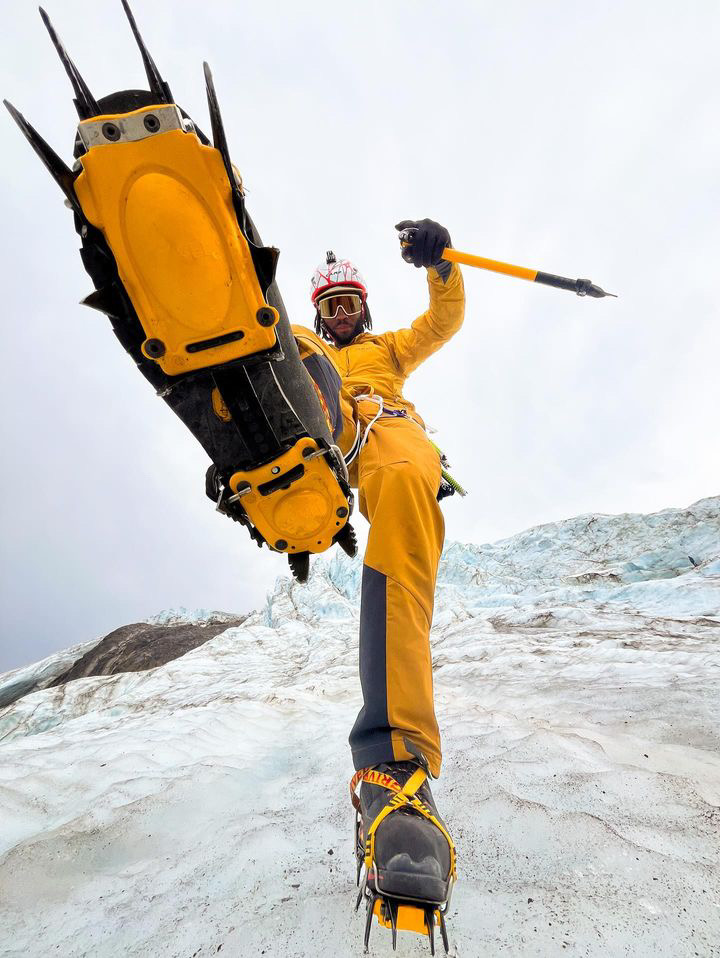
No technical mountaineering skills or gear are required. The Haute Route Trek is 100% on-trail, meaning you will hike through alpine meadows, forests, and mountain passes without needing ropes, crampons, or ice axes.
This is a physically demanding trek. Hikers should be prepared for 6 to 8 hours of daily trail travel with up to 3,000 vertical feet of gain per day, requiring excellent cardiovascular fitness and stamina.
Trekkers who have completed the Everest Base Camp Trek will find the Haute Route to have similar day lengths and physical demands, but at a lower altitude.
Because European mountain huts provide bedding, comforters, and three-course meals, your pack stays lightweight. You only need to carry a daypack weighing approximately 20 lbs.
Your main luggage is transferred by a private driver to meet you twice during the trek and at your final hotel in Zermatt, allowing you to trek light each day.
We start and end the trek in comfortable 3-star hotels in downtown Chamonix and Zermatt. Along the route, we stay in charming European mountain huts and lodges featuring bunk lodging, electricity, indoor toilets, and sometimes hot showers.
Your trip is led by an expert, bilingual American IFMGA-certified mountain guide who has extensive experience guiding in the European Alps.
You will enjoy stunning views of iconic 4,000-meter alpine peaks, walk beneath glaciers and through high meadows, view Mont Blanc at the start, and finish with magnificent views of the Matterhorn in Zermatt.
The all-inclusive package covers all 3-star hotel accommodations, mountain hut stays with breakfasts and dinners, all scheduled tram and lift tickets, local ground transportation, and professional guide services.
Bottled or purified water is readily available at hotels, mountain huts, and villages along the route. Trekkers should also bring a reusable water bottle or hydration bladder.
Participants typically fly into Geneva International Airport (GVA) in Switzerland, followed by a convenient shuttle or transfer to Chamonix, France, where the trip begins.
U.S. citizens generally do not require a visa for tourist stays under 90 days in the Schengen Area (France and Switzerland), but your passport must be valid for at least 6 months past your travel dates.
We recommend bringing around $300 to $500 in Euros and Swiss Francs to cover personal purchases, trail snacks, drinks on hut decks, and guide gratuities.
Our summer departures run in August and September, offering the most stable weather windows, open mountain passes, and optimal alpine hiking conditions.