Bhutan Laya-Ghasa Trek
BhutanBhutan: Laya – Ghasa Trek
- Nepal - Bhutan
- Pack Weight: 15 lbs.
- 16 Days in Country
- Gallery
- Dates & Pricing


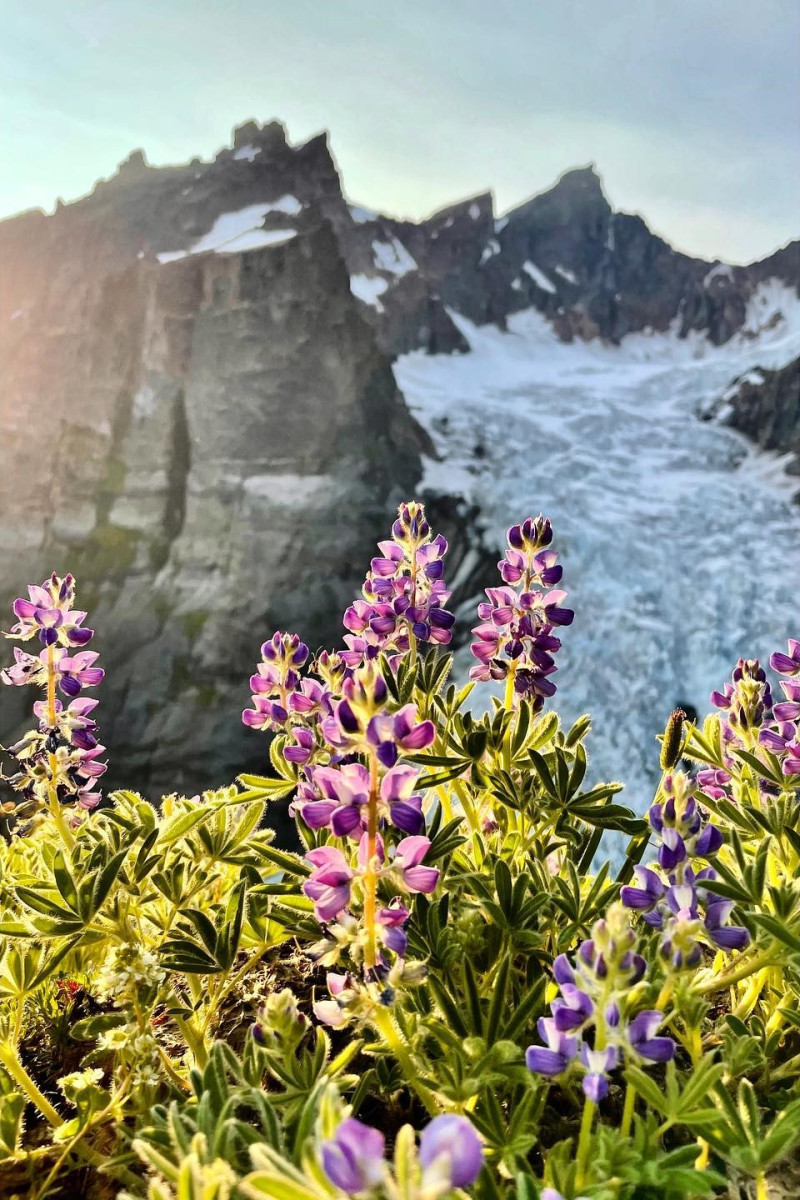
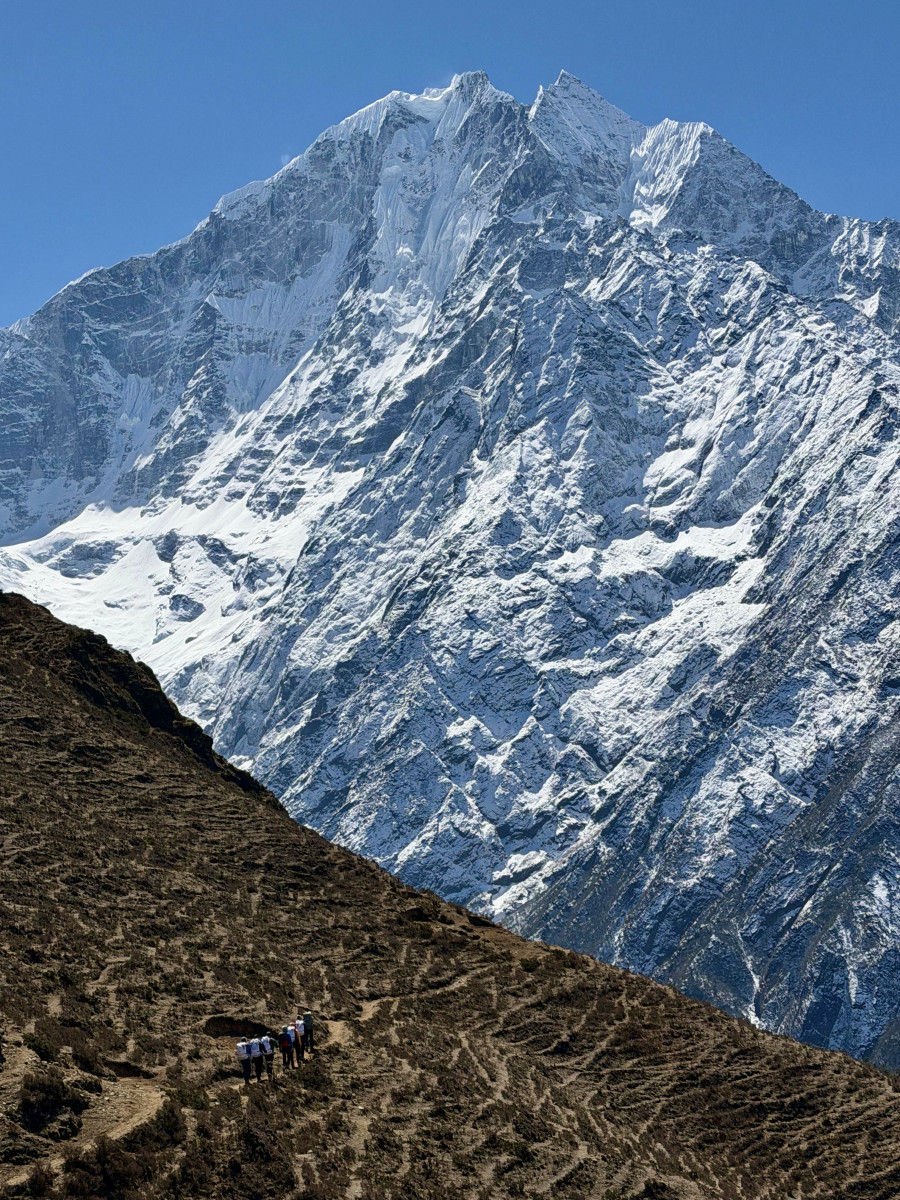
One of the Himalayas mosts scenic treks, the Laya-Gasa route, offers astounding mountain views in some of the most pristine and unspoiled landscapes in Asia. Our journey takes us through gorgeous alpine meadows, high mountain passes and dense subtropical jungles all below the shadow of numerous 7000 meter peaks. For the nature enthusiast, this pristine mountain landscape is truly unrivaled. With Bhutan’s limited tourist protocol, trekkers can expect to see far less people on the trail then other Himalayan destinations and a chance to learn and absorb from this fascinating sect of Buddhism.
Trekking begins in the village of Paro and terminates in the village of Tashithang, allowing us time to explore the rich and timeless Buddhist culture of this fabled region. Our expedition is led by legendary mountain guide Vernon Tejas.
Key Components

Travel with superb support staff in some of the Himalayas most beautiful terrain

Guide Leadership: Your trip is led by a Vernon Tejas, famed Himalayan climber and expert

Cultural Connection: Experience a timeless and and actively preserved culture and share in the culture and customs of local Bhutanese families who maintain age-old traditions.

Lodging: Quality accommodation and tents throughout the trip with pack animals used to keep pack weights light

Scenic Highlights: Cultural tours of both Thimphu and Paro as well as a visit to the famed Eagles Nest Monastery.

Light Pack & Trail Comfort: Enjoy your days on the trail unfettered by heavy packs.

Terrain & Ecology: Be inspired by the majesty of your surroundings and the knowledge that you are on one of the most beautiful, uncrowded and protected treks in the world.

Absolutely incredible experience,
enjoyed every minute and would like to express my huge THANK YOU to the entire AAI team. Bhutan as travel destination proved to be one of the most exquisite places on earth: beautiful nature and landscapes, unique cultural, architectural and historic heritage, and most importantly wonderful people. The expedition was typically for AAI managed in an excellent manner with perfect organization, very well thought-through planning and schedule, and outstanding delivery and execution. I do not have a single criticism and would repeat the exact same trip once more.
The trek was awesome and would highly recommend it!
The beauty is astounding. Once you leave Paro you move back into the 18th century. The cultural experience is unmatched, the quiet beauty of the land takes your breath away. In my experience, no other place on earth is like northern Bhutan– you experience the tough reality and the joy of the simple life we all lead 100 years ago. It is slipping away– go before it is gone.


On The Trail
The Laya-Ghasa Trek is considered one of the most scenic treks in Bhutan, offering stunning views of some of the most pristine and unspoiled landscapes in the Eastern Himalaya.
The first five days of this trek follows the same route as the popular Jomolhari Trek, through Jigme Singye National Park and offers magnificent views of Mt. Jomolhari, Jichu Drake (3rd highest peak in Bhutan) and Tsherimgang. On the sixth day the path diverges and you will depart Lingshi for the camp site at Chebisa, a charming little village adorned with a beautiful waterfall.
Along the trail expect to spot indigenous animals such as blue sheep and Takins, the national animal of Bhutan. These remote mountain villages are inhabited by Layaps (people of Laya), a distinct segment of the Bhutanese society with unique culture, traditions and appearance. The trek also offers a day of relaxation at the famous Ghasa hot springs.
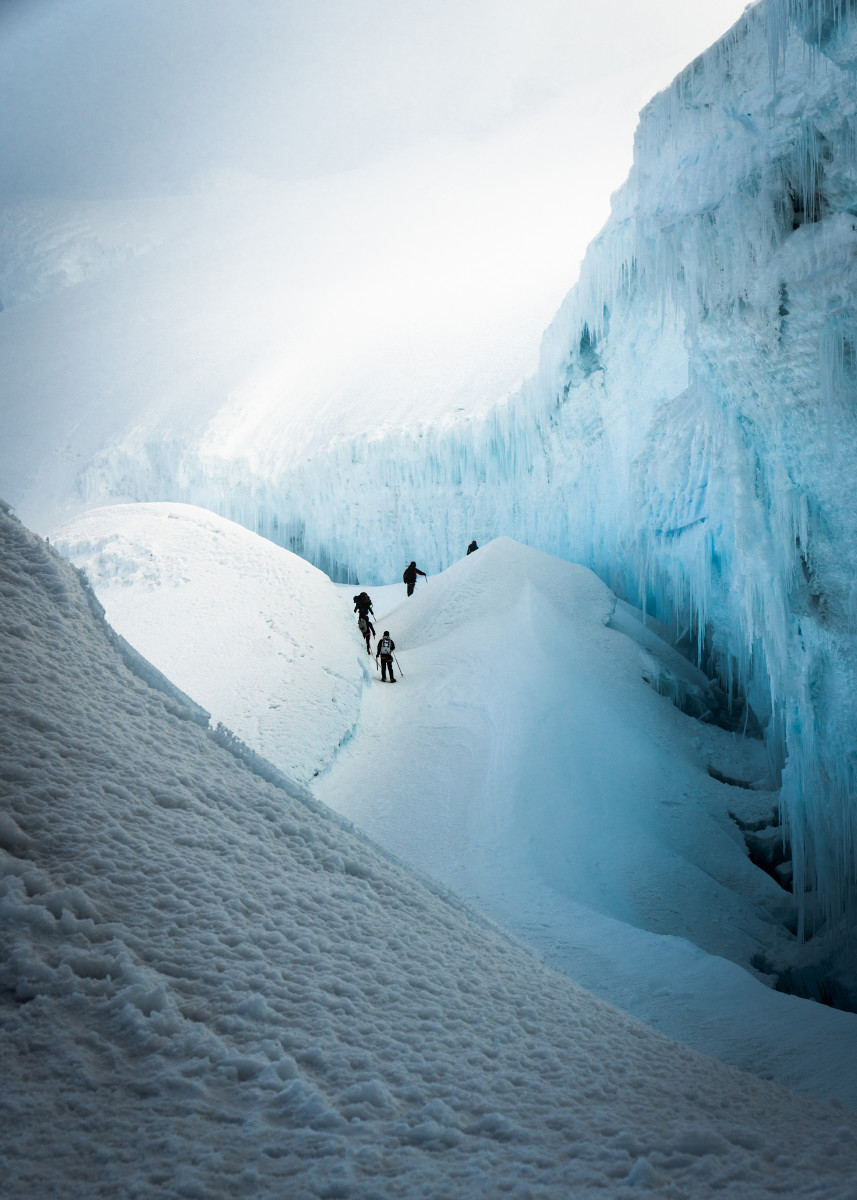
This trek is considered demanding due to the high altitudes and steep ascents and descents along the path but of course with just rewards.

The Alpine Ascents Way
Entering our 13th year of leading treks in Bhutan and 30 years of leading treks in the Himalaya, this program has been a continual standout for its access to the great peaks of the Himalaya. Along with our superb local staff, we have Vernon Tejas leading the trek as we always operate our own trips in Bhutan. Alpine Ascents takes great care to treat each facet of this trip with the highest respect and thus has easily been one of the most praised programs in our catalogue of offerings.
Bhutan and the Himalayan Landscape
Bhutan is a small Himalayan kingdom where extraordinary natural beauty and centuries-old traditions remain closely connected. The Laya–Ghasa region is especially remarkable, with a landscape that changes dramatically from dense subtropical forests and deep river valleys to alpine meadows, glacial streams, and rugged mountain passes surrounded by snow-covered peaks. Bhutan maintains approximately 70% forest cover, and its network of protected areas helps preserve one of the most biologically diverse environments in the Eastern Himalaya. Along the trail, trekkers may encounter blue sheep, Himalayan takin, and an impressive variety of mountain birdlife.
What makes this region truly special is the relationship between its landscape, culture, and remote mountain communities. The route passes isolated villages where traditional architecture, farming, yak herding, and Buddhist customs remain part of daily life. In Laya, trekkers have an opportunity to experience the distinctive culture of the Layap people, whose traditions have developed over generations in one of Bhutan’s most remote mountain regions. With its pristine wilderness, deeply rooted spiritual heritage, and national commitment to conservation, Bhutan offers a trekking experience that feels both adventurous and culturally meaningful