Trekking in Patagonia
Chile & ArgentinaTrekking in Patagonia
- South America
- Pack Weight: 10 - 15 LBS.
- 12 Days in country
- Gallery
- Dates & Pricing


Patagonia, the jewel of South America, is one of the world’s most spectacular trekking regions. Located at the southern end of the continent and shared by Argentina and Chile, this iconic destination is known for dramatic landscapes and beautifully sculpted mountain peaks.
Alpine Ascents has thoughtfully designed a “best of” hiking experience in Patagonia, combining moderate treks with exceptional lodging and overland transport. While many celebrate the region for its captivating landscapes, we elevate our program by having Jose Luis Peralvo, a regional expert and renowned mountain guide, lead this trek. His enthusiasm, warmth, and professionalism are highlights of this exceptional trip. Expert local guides also join each departure, sharing deep knowledge of the region along the way.
Key Components

Iconic Treks: Handpicked itinerary choosing best routes and destinations in the area to highlight the region

Expert Guiding Team: The trip is led by Jose Luis Peralvo, a Patagonian expert and legendary climber, with local guides joining at each location to add intimate, on-the-ground knowledge

History: Guides expertise in history and climbing lore add a unique dimension

Meals: Carefully chosen restaurants to get a true taste of Chilean and Argentinean cuisine

Transport Included: Quality vehicles and boat rides through sculptured blue icebergs

Quality Accommodations: Enjoy throughout the trip, including unique dining and lodging at Chile’s EcoCamp

Indigenous Culture: In-depth discussion of the indigenous peoples of the region

Cross-Border Itinerary: Itinerary includes both Chilean and Argentinian Patagonia

This was a wonderful trek!
Every aspect of the experience (in-country travel & border crossings, lodging, hikes, food, daily briefings), felt seamless and intentional. I particularly enjoyed the variety each day offered – sometimes hiking straight from where we had slept other times catching a shuttle to the trailhead, or a ferry to the day’s trailhead, or a catamaran to a glacier. It was truly a fantastic trip!
Staying at Eco Camp Patagonia was super interesting.
We took their “behind the scenes” tour to learn how the electricity is generated and how the waste is composted and it was fascinating. The domes were beautifully appointed and super comfortable. The puma wandering through camp was pretty darn cool! The cherry on the top was the last night in Punta Arenas. The hotel room had a southeasterly facing wall of windows looking right across the Strait of Magellan to Tierra del Fuego. It was a magnificent view.
Along with managing everything so professionally,
Jose Luis was very personable, engaged with us all at all times, and quickly became a person I trust completely.


The Landscapes of Patagonia
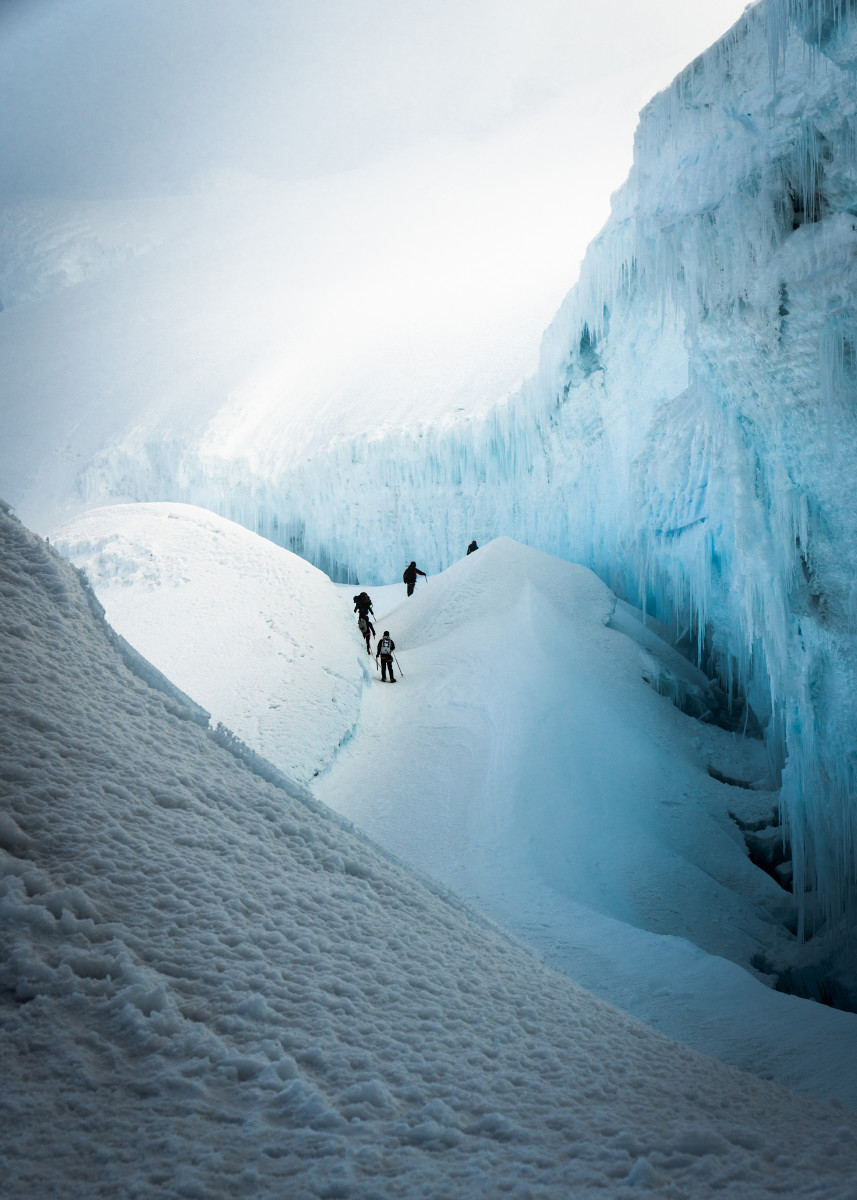
Patagonia is one of the world’s most spectacular and ecologically diverse wilderness regions, stretching across southern Argentina and Chile. Its dramatic landscape has been shaped by glaciers, powerful winds, and the movement of ancient ice fields, creating an extraordinary combination of jagged granite peaks, expansive valleys, turquoise lakes, rivers, forests, and sweeping grasslands. The Southern Patagonian Ice Field, one of the largest bodies of ice outside the polar regions, feeds many of the glaciers found throughout the region, including the renowned Perito Moreno Glacier.
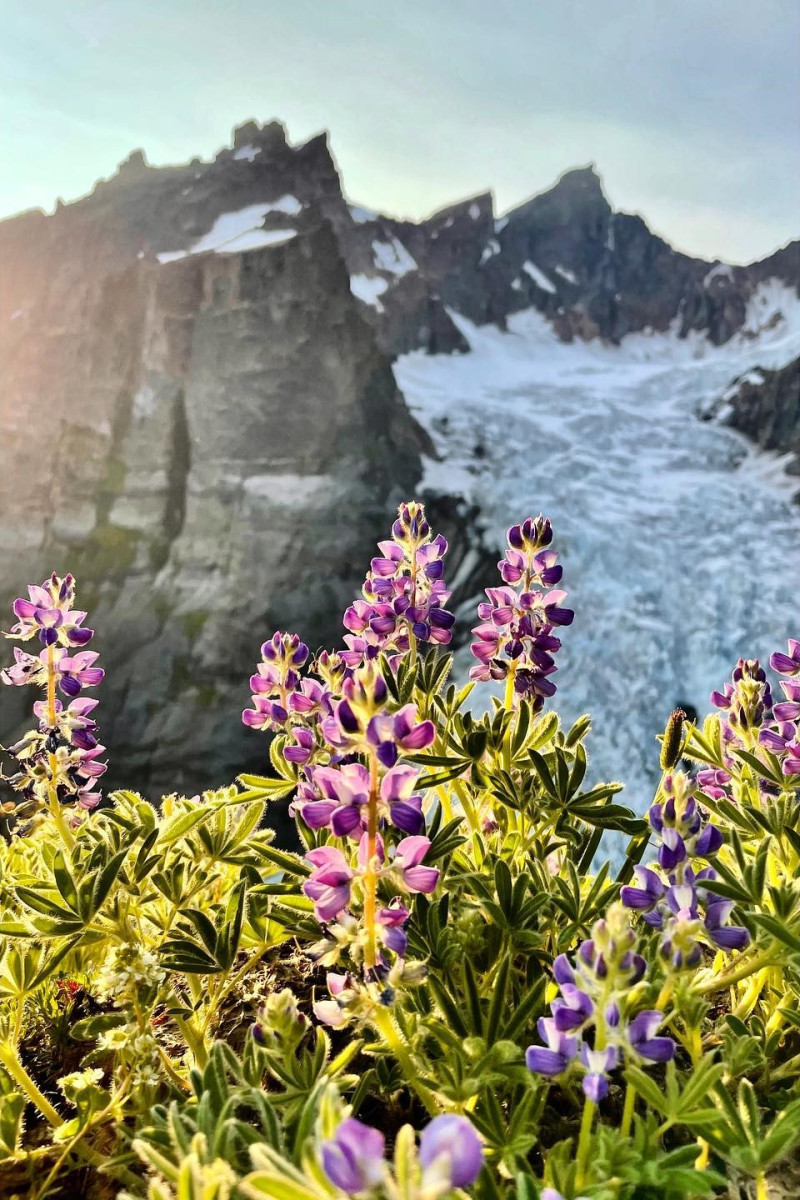
The region’s varied ecosystems support an impressive range of plant and animal life. Trekkers travel through southern beech forests, open steppe, alpine terrain, and glacial valleys, with opportunities to see guanacos, Andean condors, foxes, and numerous bird species. Towering landmarks such as Fitz Roy, Cerro Torre, the Paine Horns, and the Towers of Paine rise dramatically from the surrounding landscape, creating some of the most recognizable mountain scenery in the world. The combination of remote wilderness, abundant wildlife, and constantly changing light and weather makes Patagonia a truly unique trekking destination.

On the Trail
The Alpine Ascents Patagonia Trek begins with a series of spectacular day hikes from El Chaltén, Argentina’s trekking capital. Within Los Glaciares National Park, we hike through forests and open valleys to scenic overlooks with dramatic views of the Fitz Roy Massif and Cerro Torre. The journey continues to the Perito Moreno Glacier, one of Patagonia’s most celebrated natural landmarks, before crossing into Chile and Torres del Paine National Park. There, we hike sections of the world-renowned “W Trek,” enjoying magnificent views of the Paine Horns, the Towers, turquoise lakes, and the surrounding glacial landscape.
Although the lower elevations make this program less strenuous than the Everest Base Camp Trek, participants should be in very good physical condition and prepared for consecutive full days of hiking with sustained ascents and descents. In Argentinian Patagonia, hikes begin around 1,424 feet and reach a maximum elevation of 5,046 feet at the summit of Loma del Pliegue Tumbado. In Chile, hikes begin near 650 feet and reach approximately 2,788 feet during the Torres del Paine hike. Trails are generally well maintained but include rocky and uneven sections, stream crossings, and occasional steep terrain. Patagonia’s weather can also change quickly, so trekkers should be comfortable hiking for several hours in wind, rain, and cool temperatures. Participants carry only a daypack with water, food, extra clothing, and personal items, while overnight gear remains at the accommodations.

The Alpine Ascents Way
This journey takes you to both Argentinian and Chilean Patagonia, visiting the most famous landmarks of this beautiful and unique part of the world on day hikes: Los Glaciares National Park, Fitz Roy Massif, Cerro Torre, Perito Moreno Glacier and Torres del Paine National Park.
You’ll spend most nights in fine accommodations, with the comfort of a hot shower and a good bed to help you recover from hikes and prepare for the next day’s activities. One night is spent camping in tents.
This Patagonia trekking program is led by Jose Luis Peralvo, an internationally certified mountain guide with years of experience guiding Alpine Ascents trips in South America and deep knowledge of local culture and environment.