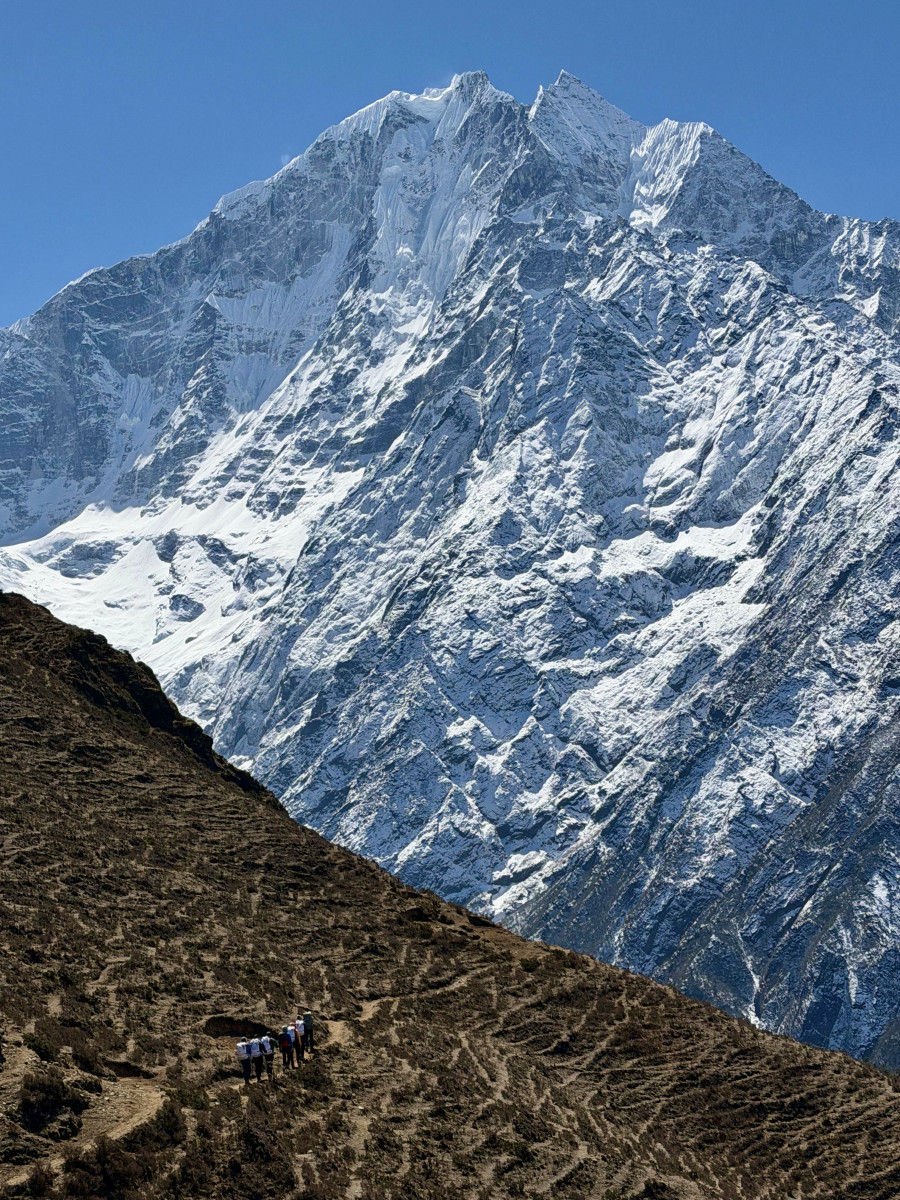
Carstensz Pyramid Planning
16,023FT / 4,884M | Central PapuaPaperwork
Please return the requested paperwork as soon as possible.
- Trip Insurance (required)
- Passport copy
- 2 passport photos
- Flight itinerary
Permits
Permits for Western Papua and Carstensz Pyramid will be prearranged by Alpine Ascents. Please note the government can revoke permits at any time, which can lead to trip postponement. For this reason, trip cancellation insurance is mandatory for this expedition.
For the permits, a passport photo is required from each climber. These passport photos must be in JPEG format, and they must be sent via email.
Trip Insurance & Evacuation Coverage
We strongly recommend purchasing trip insurance. Even with the best planning, unexpected circumstances — such as an injury or family emergency — may prevent you from joining your trip.
Trip Insurance Info (opens in new tab)Visa & Entry Requirements
Each climber needs a visa to enter the country of Indonesia.
- You must have a valid passport that does not expire for at least 6 months from date of entry.
- Currently there are 97 countries are eligible for Visa on Arrival (VoA). Please check if your country is eligible.
- Visa on Arrival (VoA) can be applied upon arrival at entry point, with a cost of IDR 500.000 or USD $35/person (or depends on the exchange rate). The VoA can be paid in cash or by card (with extra 3%)
We recommend applying for an e-VoA 14 days prior to travel through official website of Directorate General of Immigration Ministry. Please only apply for e-VoA on the official website.
All international travelers entering Indonesia are required to complete the All Indonesia Arrival Card. This is a single digital form that integrates immigration, customs, and health declarations into one streamlined process. The form must be submitted within three days before arrival in Indonesia and can be accessed via the official website or through the All Indonesia mobile app. The QR code must be presented upon landing to immigration and customs officers to ensure a smooth and efficient arrival process.
Meet Times & Transport
A day-to-day itinerary can be found with your confirmation letter. Please forward a copy of your flight itinerary before purchasing flights so we can review departure and arrival dates.
Note that our day-to-day itinerary does not include travel days to Bali.
If you would like the assistance of a travel agency, we can recommend our friends at Exito Travel.
Flying to Bali, Indonesia
Some airlines are restrictive on pack weight, and may not allow extra checked baggage. If your airline enforces a strict 50 lb total weight, you should be ready to have your boots and another heavy item transferred to your carry-on.
Arrival: This trip requires that you arrive in Bali, Denpasar, Indonesia on Day 1 of your expedition. Early afternoon arrival is preferred. Please arrive no later than 5:00 p.m.
Departure: Please consult your specific itinerary for departure date. You may leave any time on the last day of your itinerary.
Early Arrival/Late Departure: We accommodate other flights. For those arriving early or departing after the scheduled itinerary, we can make hotel and transport arrangements at an additional cost. Contact our office in advance if you would like us to make additional reservations.
Missed Flights: If you miss your flight, please contact our Director by calling our Seattle office (206) 378-1927 and follow the prompt for 24-hour contact.
Upon Arrival
Your guide or an Alpine Ascents representative will meet you at the airport and transport you to your hotel in Bali. Please ensure we have a copy of your flights.
Contact information for your guide and/or a local contact will be emailed with your team roster about a month before your trip begins. Please make sure you have this contact information saved or written down while traveling.
Lodging In Bali
Before the climb, our team will usually lodge at Watujimbar Resort. We will inform you if any changes are made to our lodging itinerary.
Watujimbar Resort (Sanur)
Jl. Danau Tamblingan No.99A, Sanur, Denpasar Selatan, Kota Denpasar, Bali 80228
Phone: (62-361) 849 7000
sanurresortwatujimbar.com/
For those choosing double room accommodations every effort will be made to pair you with another climber. A Single Room Supplement Fee will apply if a match cannot be made or there is a last minute cancellation. This will help keep our overall program pricing down since unlike other companies we do not charge more for smaller groups.
Gear List
Please refer to your Gear List:
You are required to bring every item on this list as described, so be as precise as possible when packing. We are happy to work closely with you on finding the proper gear. Climbers may store excess gear at the hotel.
If you plan to rent gear, your rental form must be submitted at least a month prior to expedition start date. Please call our office or contact our gear department with questions.
Gear Lexicon
If you’re confused by items and/or language on the Gear List, we encourage you to refer to our Gear Guide for explanations on layering systems, differences between boots, etc.
Gear Guide (opens in new tab)Other Resources
Below are articles written by veteran Alpine Ascents guides that you may find helpful in preparing and packing for your expedition.
Medications & Prescriptions for Mountain Climbing
Not on the Gear List, but in our Backpacks
Packing Tips
People generally take too much “stuff” rather than too little. Study each item before you pack it. Eliminate redundant items, extra changes of clothing, and excessive“nice to have” luxuries. You will benefit from traveling light because of the costs of excess baggage and because of the frequent loading and unloading of bags. Traveling light may be your key to summit success. Take everything on the required equipment list and little else.

Organizing for an Expedition to Carstensz Pyramid
This expedition is logistics-heavy. The best way to have a comfortable, smooth trip is to understand ahead of time how you’ll pack and move your gear. You need three different types of luggage for this trip:
- Climbing Backpack – 30-40 liters, simple, lightweight, and purpose built for climbing. Do not bring larger packs as it will impede your ability to climb the technical terrain of the upper mountain.
- Expedition Duffel Bag – a large, waterproof duffel that can fit all of your gear. 100-150 liters.
- Small Duffel – useful as a carry-on when traveling to Indonesia, and useful for storing belongings at your hotel in Bali during the climb.

Stage 1 – Travel to Indonesia
Pack everything (except for a few items mentioned below) into your large duffel bag and check it in with your airline. Flat-pack your climbing backpack inside your duffel.
Pack your small duffel as your carry-on, being sure to include any usual comfort items for international air travel.

Stage 2 – Trip Prep in Bali
While in Bali, we will conduct a thorough gear check and reorganize our luggage. Here’s how we pack:
- Small Duffel Bag – anything not needed for the expedition that will stay in Bali. You will check this into the hotel and they will store it for you until we return.
- Climbing Backpack – pack with essentials for the flight to Timika and the helicopter flight to Central Papau. Prescription meds, sunglasses, hat, sunscreen, and your passport.
Large Duffel Bag – everything else we need for the expedition will go in here to be checked in for the flight to Timika.
Stage 3 – Fly to Timika, Central Papua
Fly from Bali to Timika on the south coast of Central Papua on a commercial airliner. We enjoy a night at a hotel and make our final preparations for the helicopter flight into Carstensz Base Camp.

Stage 4 – Helicopter to Base Camp
With our large duffel bag and climbing pack, we fly by helicopter from Timika to Yellow Valley, home of Carstensz Base Camp at 14,000 ft. We settle into our pre-established expedition camp and review technical skills.

Stage 5 – Climbing the Mountain
After a day to acclimatize, we leave our large duffel bags at camp and move up the mountain with our climbing packs filled with everything we need for the summit push.
After the climb has concluded, we will reverse the process, all the way back to Bali.
Expenses
For most personal expenses, US dollars are the preferred method of payment. Cash or a combination of cash and traveler’s checks are usually the best option. Credit cards are fine at bigger hotels, like the resort in Bali. Smaller establishments do often accept credit cards but charge a fee. Most climbers bring $500 – $1,000 with them to Indonesia for purchases in small villages, bottled drinks, and incidental expenses. Your guide will help you change money while traveling if needed.
Early Departure/Evacuation
A comprehensive trip insurance plan is required for this expedition. If you need to leave the expedition early, you are responsible for all incurred expenses (evacuation fees, transport, extra hotel nights, etc).
Tipping
Our guides make every effort to ensure your climb is risk aware, successful, and as enjoyable as possible. If you have a positive experience, gratuities are an excellent way to show your appreciation. It’s difficult to recommend a specific amount as we believe tips should be based on level and quality of services, as well as an amount that meets your budget.
A general guideline is $500 – $1,000 for the whole guide team. The lead guide will distribute tips among the rest of the guides.

On the Mountain
Physiology Of Mountaineering
Dehydration, hypothermia, frostbite, and altitude illness are all important health conditions to be aware of while climbing. Please read our overview of these physical factors:
Food & Water
We are all aware of the potential monotony of expedition food and Alpine Ascents makes every effort to make meals on the climb as enjoyable as possible. This includes local market shopping before each expedition, dining as a group, and pre-planned meals prioritizing both taste and staying healthy. Alpine Ascents prepares all water by boiling and/or with purification tablets. Climbers will fill water bottles at all meals and at certain rest stops.
Leave No Trace
Alpine Ascents International practices Leave No Trace principles on all expeditions. We believe that given the proper information most people will do all they can to help protect and maintain the environment.
As guides, we spend time teaching the environmentally appropriate Leave No Trace principles and practices. There is nothing more rewarding than working hard to get high into the mountains, reaching a pristine campsite, witnessing incredible views, and having the feeling that no one has been there before. Please read the seven LNT principles, and call the office if you have any questions about what you can do to plan ahead.