9 Day Rainier Baker Mountaineering Course Itinerary
Washington9 Day Rainier Baker Mountaineering Course Itinerary
Day 1
We begin the course with a 6:30 a.m. orientation and gear check at our Seattle office. Developing strong mountaineering skills starts with having the proper equipment, clothing, and nutrition for a safe and enjoyable experience in the mountains. Guides review equipment, discuss current weather and route conditions, fit rental gear, and answer final questions before departing for Mount Baker. Depending on conditions, we’ll climb either the Easton Glacier or Coleman-Deming Glacier route.
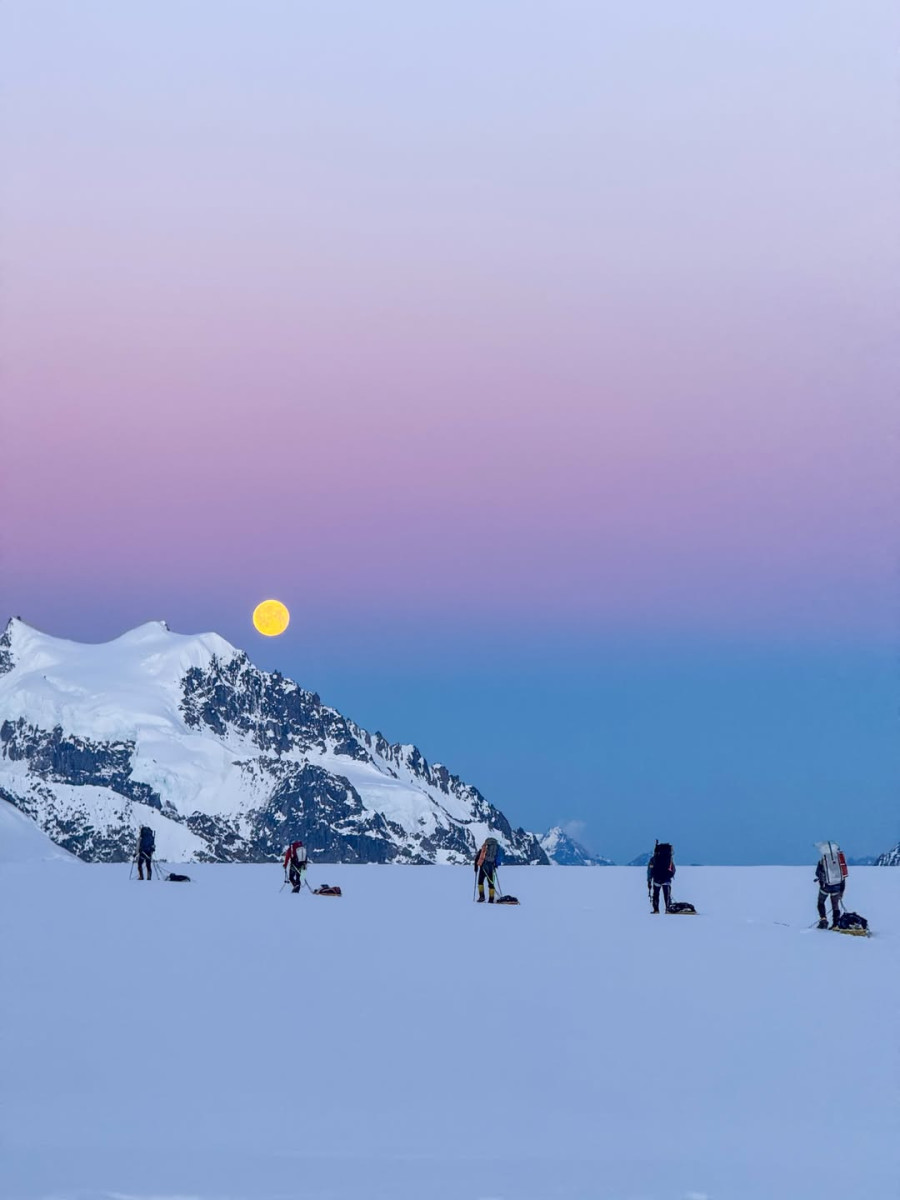
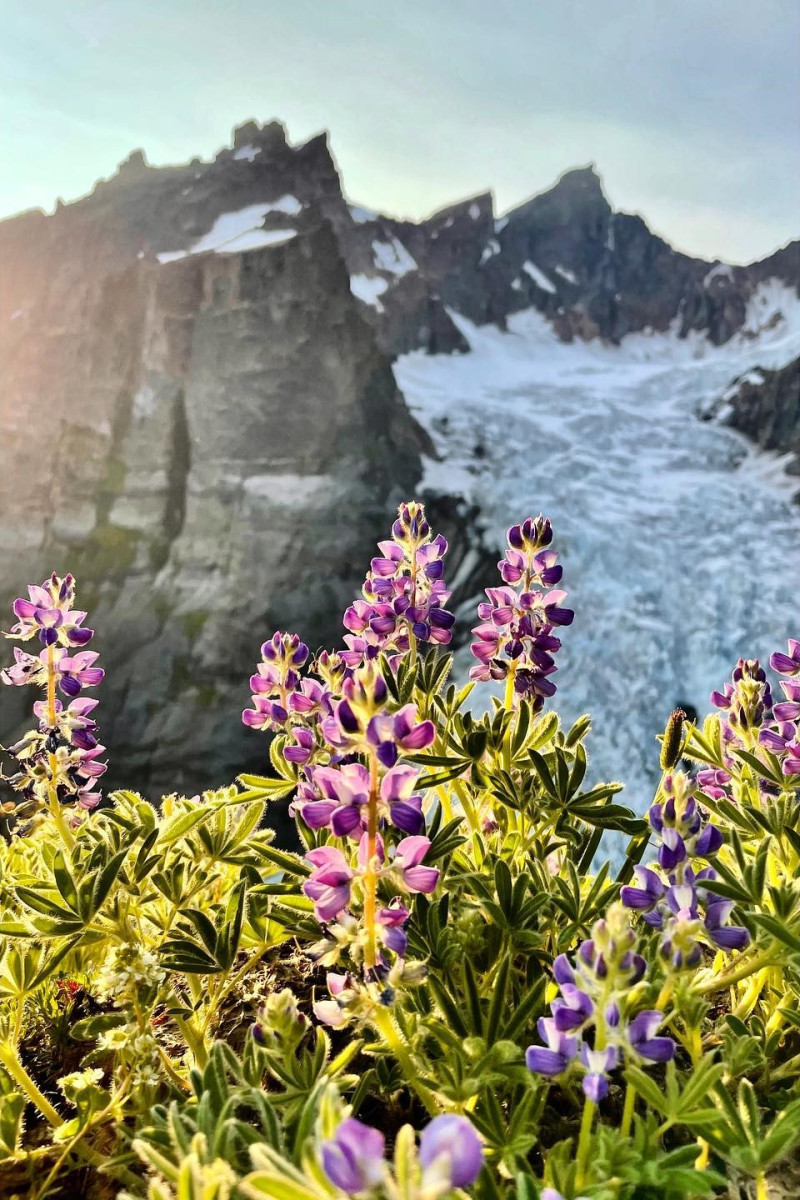
From the trailhead, we hike through old-growth forest and subalpine meadows before emerging into the rugged alpine landscape surrounding Mount Baker. By late afternoon, we establish camp at approximately 6,000 feet, where students learn the fundamentals of expedition living, including camp setup, hydration, snow melting, backcountry cooking, personal maintenance, and Leave No Trace practices.
Skills Covered:
- Equipment selection, fit, and preparation
- Weather and conditions assessment
- Route selection and risk management
- Mountain travel with a loaded pack
- Camp setup and organization
- Cold-weather personal maintenance
- Hydration and snow-melting techniques
- Leave No Trace principles

Day 2
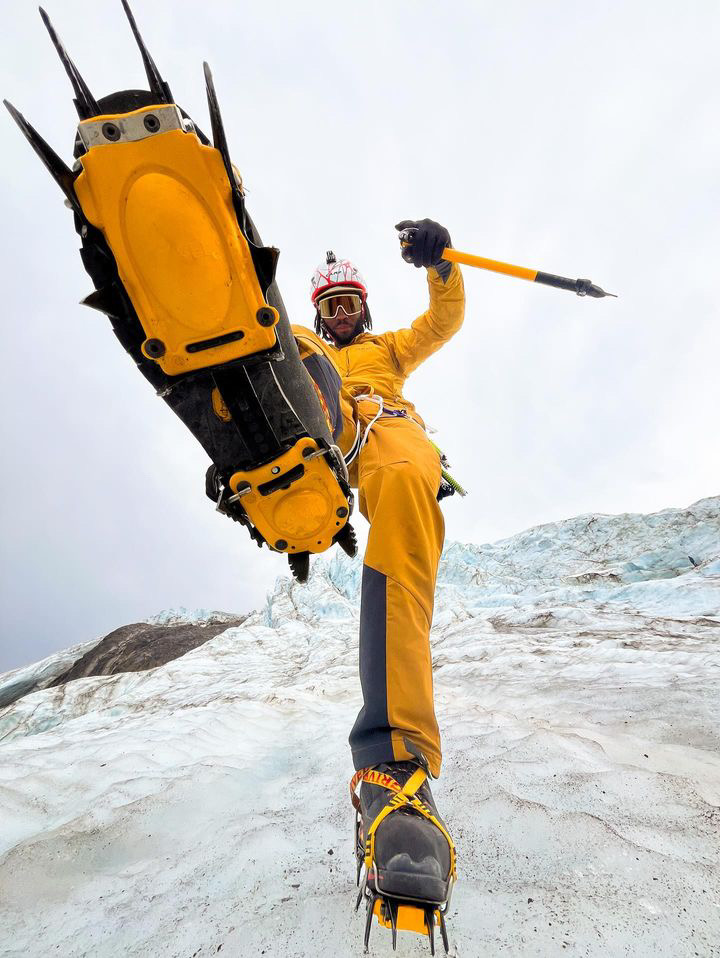
Today’s classroom is the glacier. Students begin by developing efficient movement on snow, learning crampon techniques, balance, pacing, and footwork before progressing to proper ice axe use and self-arrest from a variety of positions. These foundational skills are practiced repeatedly and become the basis for safe travel throughout the course.
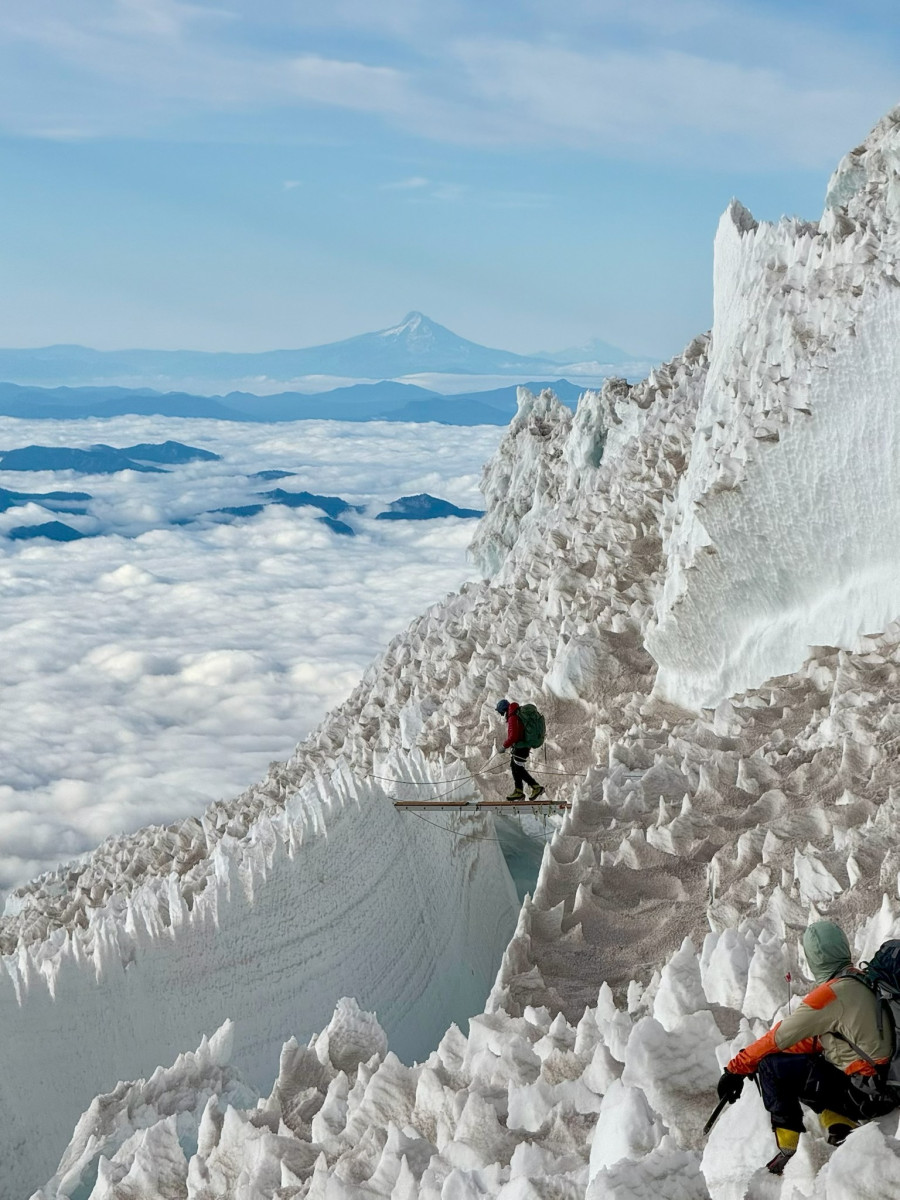
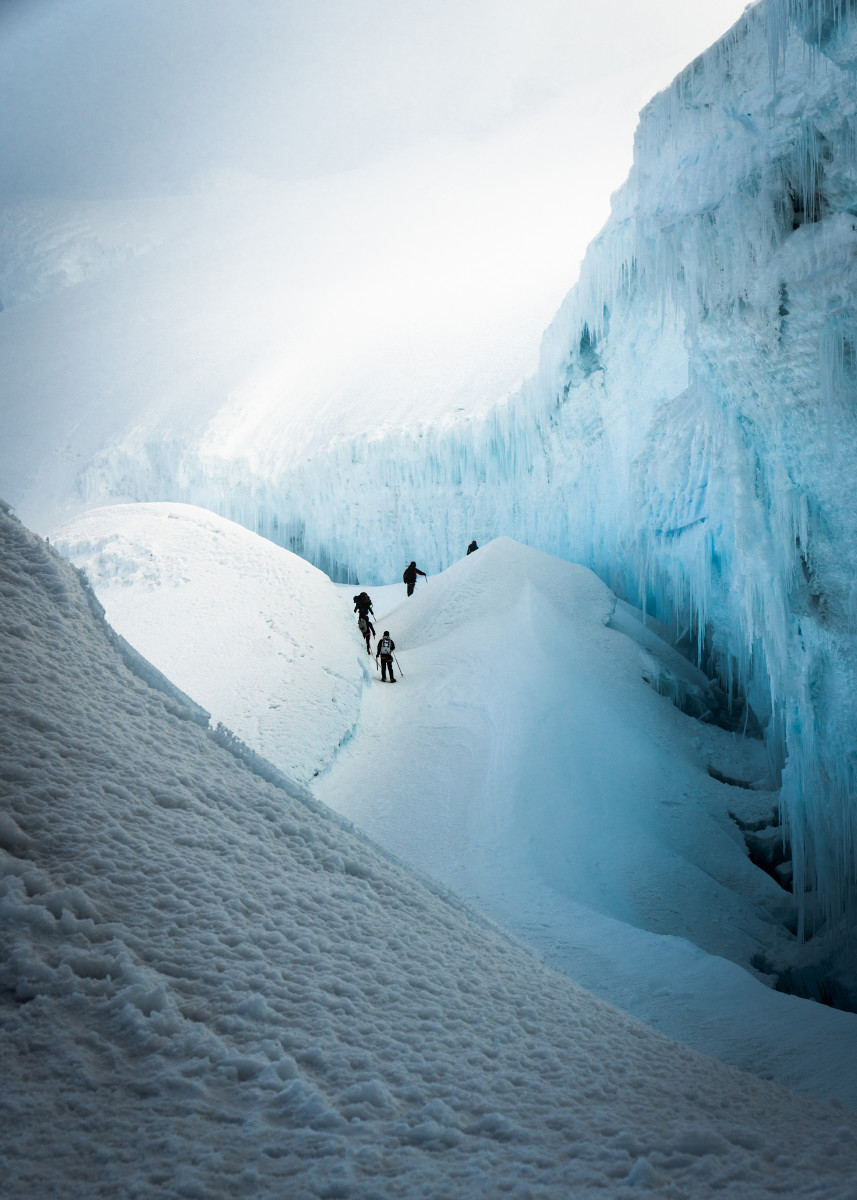
In the afternoon, instruction shifts to the technical systems that make glacier travel possible. Students learn essential mountaineering knots, prussiks, and rope management before putting those skills into practice on a glacier tour, conditions permitting. Traveling among towering seracs and deep crevasses, guides emphasize communication, route finding, rope spacing, and recognizing objective hazards.
Skills Covered:
- Efficient snow travel
- Crampon techniques
- Ice axe use and self-arrest
- Essential mountaineering knots
- Prussik setup and application
- Rope management
- Glacier rope team travel
- Communication and hazard assessment
Day 3
Today introduces the anchor systems used throughout alpine climbing and glacier travel. Students construct and evaluate a variety of snow and ice anchors for belaying, rappelling, running protection, and rescue scenarios before putting each system to the test. (Yes, this is the day you’ll discover just how much you can trust a well-built snow anchor.)
The afternoon is spent climbing, belaying, and rappelling while developing efficient rope management and movement on steep terrain. Guides also introduce hauling systems and mechanical advantage, laying the groundwork for the crevasse rescue techniques that follow later in the course. By day’s end, students have a much deeper understanding of how technical systems work together in the mountains.
Skills Covered:
- Snow and ice anchor construction
- Anchor evaluation and testing
- Belaying techniques
- Rappelling systems
- Running protection
- Mechanical advantage concepts
- Hauling systems
- Rope management
Day 4
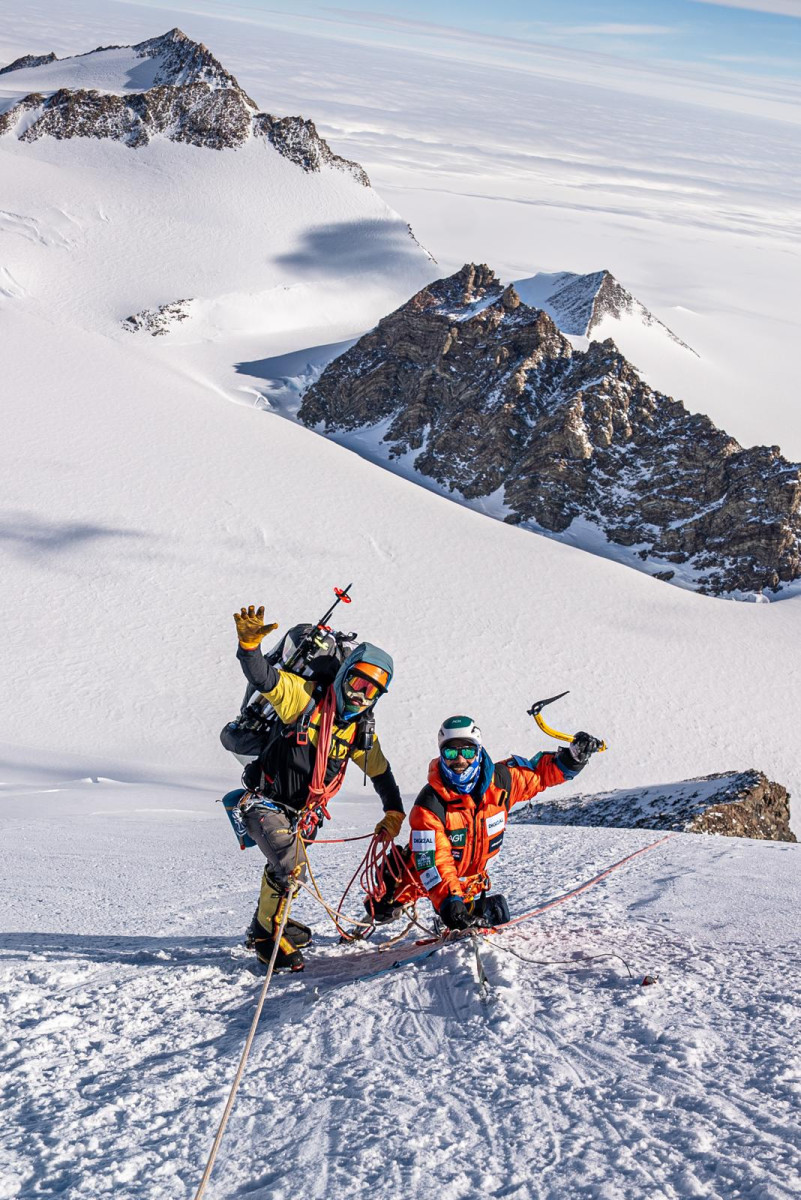
Today’s focus is crevasse rescue—the culmination of the rope, anchor, and hauling systems developed over the previous three days. Students begin with a dry run on the glacier before progressing to realistic rescue scenarios. Working as rope teams, participants learn to arrest a crevasse fall, construct secure rescue anchors, and execute a standard 3:1 Z-pulley rescue system. Guides also demonstrate additional rescue techniques for smaller rope teams and discuss when each system is most appropriate.
Students also have the opportunity to climb out of a crevasse using prussiks, gaining firsthand experience with the physical and technical demands of self-rescue. Although crevasses demand careful risk management, this is often one of the most memorable and rewarding days of the course.
Skills Covered:
- Rescue anchor construction
- 3:1 Z-pulley rescue
- Two-person rescue concepts
- Prussiking and self-rescue
- Team communication
- Glacier hazard management
- Risk management

Day 5
With a strong technical foundation established, it’s time to put those skills into practice on Mount Baker. Depending on weather and mountain conditions, guides will either lead a summit attempt or establish a higher glacier camp in preparation for the climb. Both options reinforce expedition planning while allowing the team to adapt to changing mountain conditions.
Traveling through a maze of crevasses and beneath towering seracs, students refine rope team travel, route finding, hazard assessment, pacing, and communication. Whether standing on the summit or preparing for the following day’s ascent, this is a demanding and rewarding day that brings together everything learned throughout the course.
Skills Covered:
- Rope team efficiency
- Summit planning and preparation
- Route finding
- Hazard assessment
- Expedition pacing
Day 6
Whenever possible, guides aim to summit Mount Baker on Day 5, allowing today to be used for the hike back to the trailhead and preparation for the Mount Rainier portion of the course. After breaking camp according to Leave No Trace principles, we descend through alpine meadows and old-growth forest before returning to Seattle.
Back at the Alpine Ascents office, students reorganize equipment, make any final gear adjustments, and review logistics for the next phase of the expedition. The evening provides a chance to recover, enjoy a good meal, and prepare for three exciting days on Mount Rainier.
Please plan to book a hotel room for the evening of Day 6.
Skills Covered:
- Camp breakdown
- Leave No Trace
- Expedition organization
- Equipment preparation
Day 7
The second half of the course begins as we transition from Mount Baker to Mount Rainier. Two additional guides join the team, allowing us to climb at an appropriate guide-to-climber ratio on this more technical objective. While instruction continues throughout the climb, guides take a more active leadership role so the team can move safely and efficiently through complex glacier terrain.
After meeting at the Alpine Ascents office, we travel to Paradise and begin the hike to Camp Muir. As the trail gives way to the expansive Muir Snowfield, Mount Rainier steadily fills the skyline. Along the way, guides discuss glacier formation, volcanic geology, altitude management, and efficient movement before arriving at our private hut perched at the edge of the Cowlitz Glacier.
Skills Covered:
- Efficient movement on snow
- Glaciology and volcanology
- Weather and conditions assessment
- Team communication
- Risk management

Day 8
Today’s objective depends on weather, mountain conditions, and the team’s progress. Guides may choose to rest at high camp or, if conditions are favorable, begin the summit push. Throughout the day, students continue refining expedition skills while seeing firsthand how experienced guides evaluate conditions and adapt plans in the alpine environment.
The team climbs up to high camp, surrounded by sweeping views of Little Tahoma, the Tatoosh Range, and the Cascade volcanoes stretching north toward Mount Baker. Guides will refill water bottles, prepare dinner, and give a detailed overview of what to expect on summit day.
Skills Covered:
- Summit preparation
- Weather assessment
- Expedition organization
Day 9
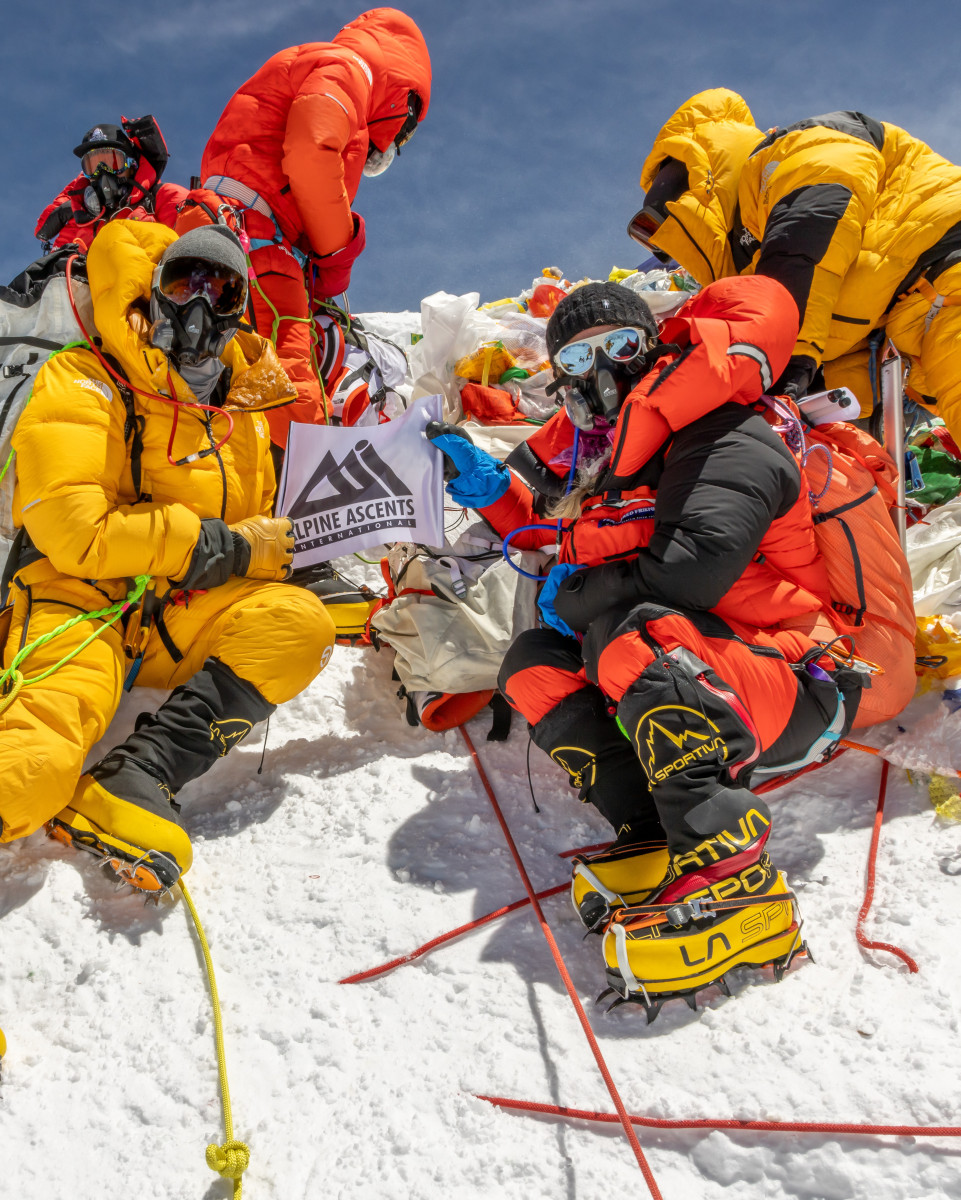
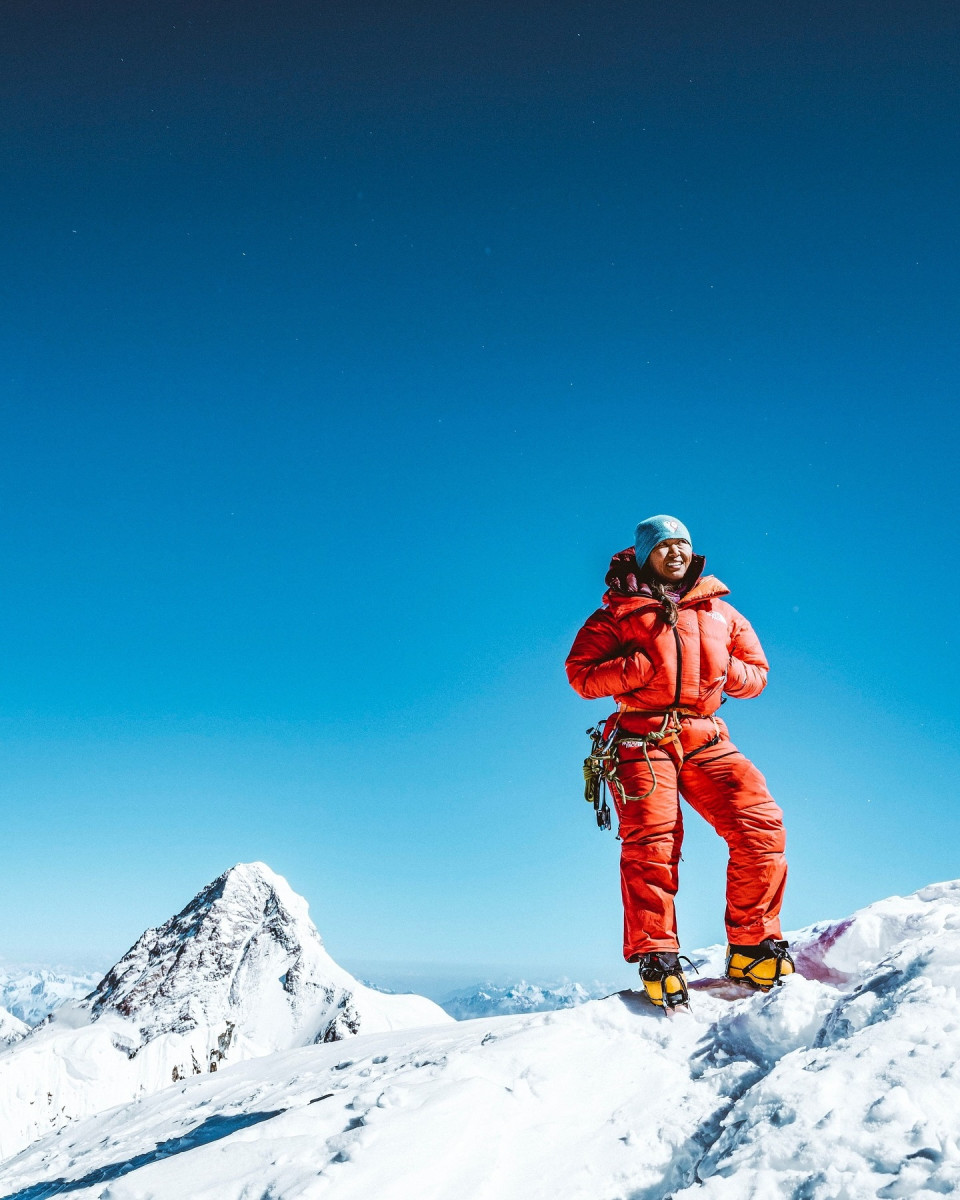
Summit day begins shortly after midnight, when firm snow and cooler temperatures provide the best climbing conditions. Depending on the season, we ascend either the Disappointment Cleaver or Ingraham Glacier Direct route, weaving around crevasses and towering seracs as dawn breaks over the Cascade Range. The climb demands steady pacing, efficient movement, and teamwork before reaching Columbia Crest, the highest point in Washington.
After celebrating on the summit, we carefully descend to pack up camp before continuing to Paradise and returning to Seattle. Completing this course marks the culmination of nine days of intensive instruction and provides an exceptional foundation for more advanced alpine expeditions around the world.
Skills Covered:
- Summit execution
- Glacier route finding
- Rope team travel
- Technical mountain travel
- Efficient descent
- Expedition decision-making

Navigation using map, compass, GPS, and altimeter, along with route finding, glaciology, and mountain decision-making, are integrated throughout the course rather than confined to a single lesson. Because conditions in the mountains are constantly changing, guides continually adapt the itinerary to provide the safest and most rewarding learning experience possible.