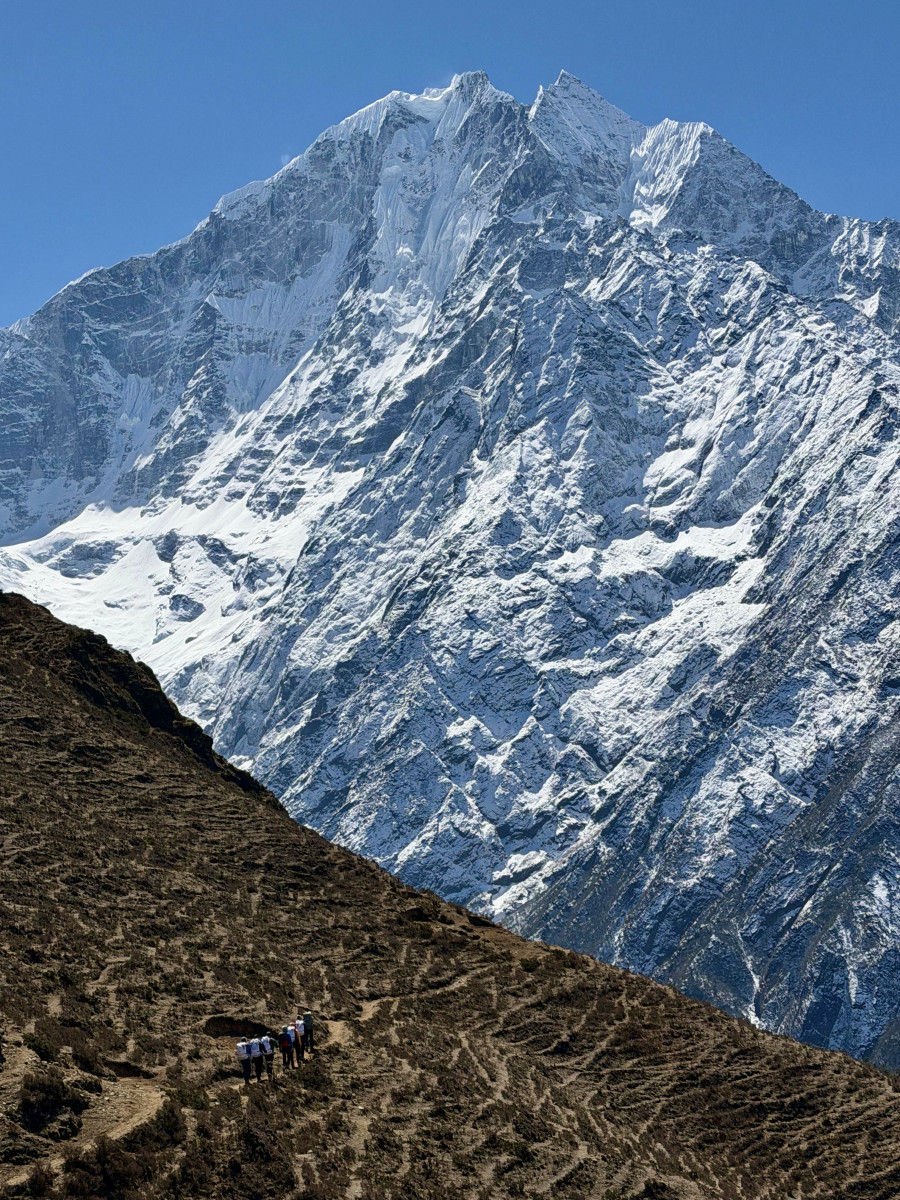
The Road to Everest: Why You Can’t Just Buy the Summit
by Don Wargowsky
When most people think of Mount Everest, they picture long lines of climbers snaking up the mountain, Sherpas carrying impossible loads, and a steady stream of headlines or movies suggesting that with enough money, anyone can waltz their way to the top.
This couldn’t be further from the truth.
Climbing Everest isn’t a purchase – it’s a graduation. The summit is the culmination of years spent building mountaineering skills, testing your body at extreme altitudes, and steadily taking on bigger and more demanding peaks. It’s a journey, not a shortcut. While there are many paths that lead to success, here’s one well-proven progression that has carried countless climbers to the top of the world.
Step One: Build Your Foundation
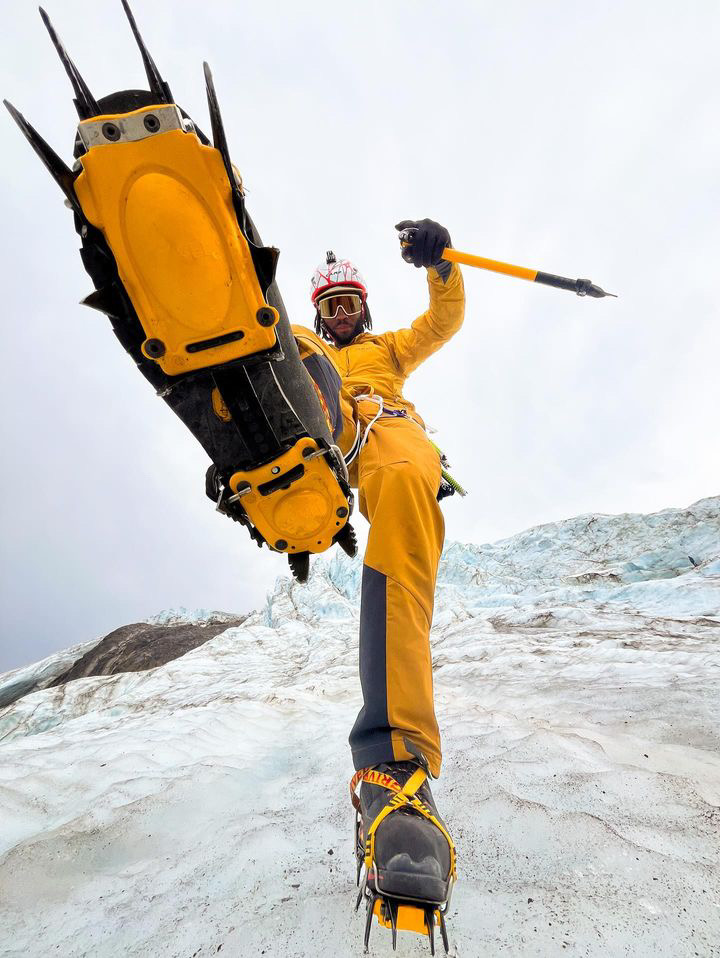
A 6, 8, or 9-Day mountaineering course gives you the foundational skills necessary for climbing peaks all over the world. You’ll learn basic knots, crevasse rescue, self arrest, and movement techniques you’ll use on snow, ice, and rock. . These courses wrap up with a summit of high-altitude glaciated peak like Baker – your first taste of expedition life.
Step Two: Level Up on Rainier
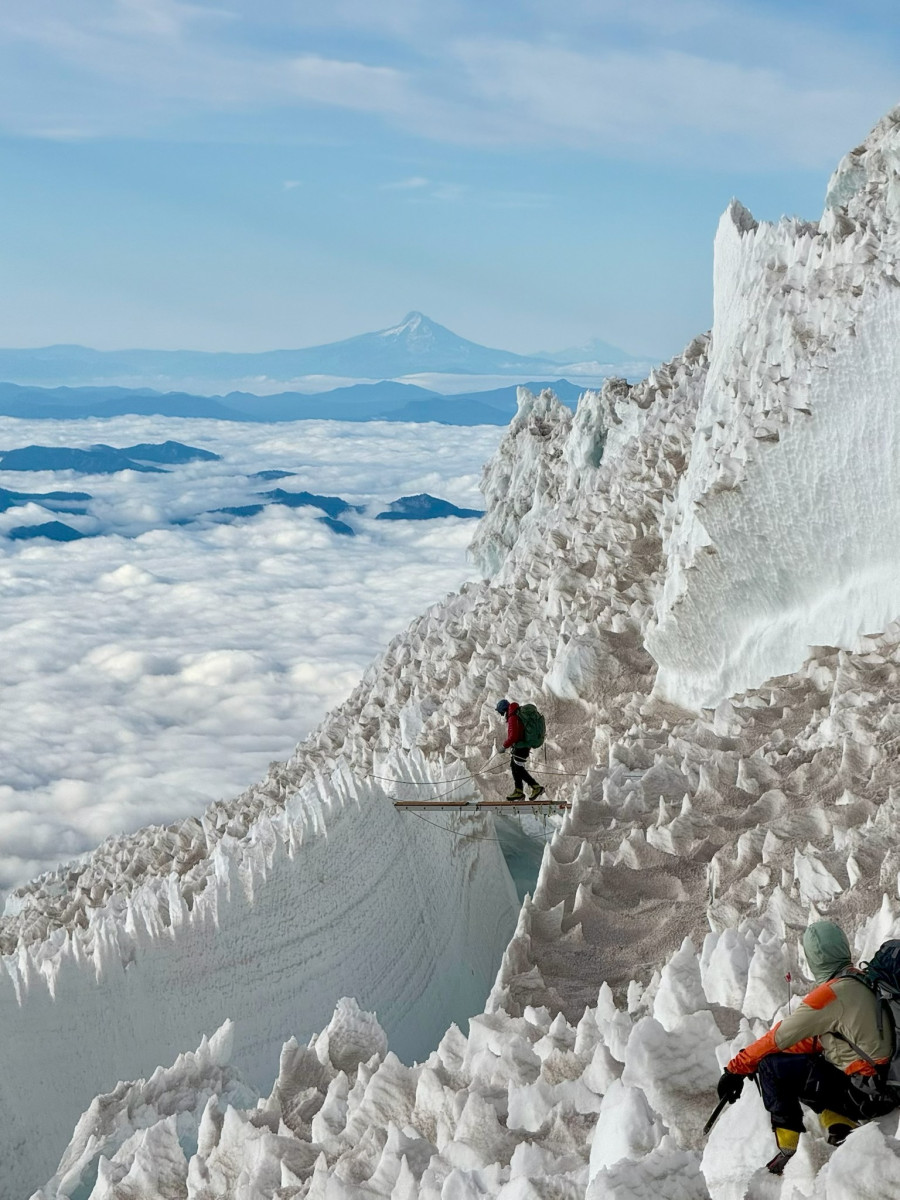
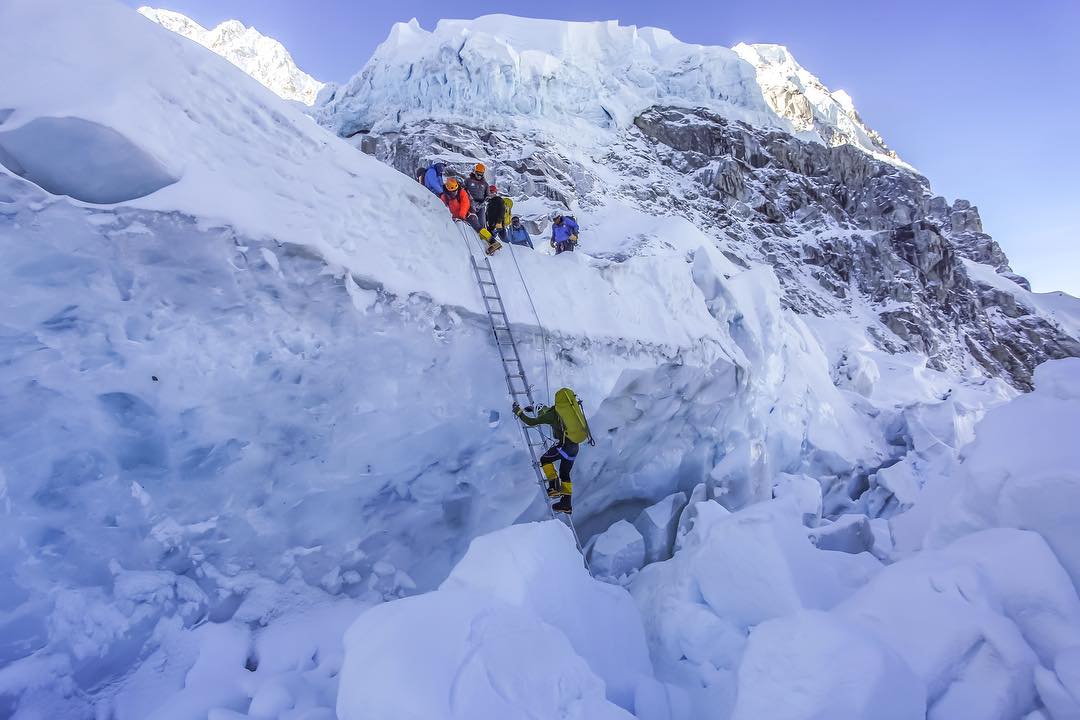
Once you’ve cut your teeth on a training course, it’s time for a bigger challenge: Mount Rainier. At 14,411 feet, Rainier is America’s classic test piece. Its massive glaciers, technical terrain, and demanding summit push mirror make it an excellent training ground for Everest. You might even get to cross crevasses on ladders, just like in the Khumbu icefall. For many U.S. guides, this is where their Everest journey truly began.
Step Three: Test Your Body at High Altitude
Rainier is tough, but sleeping at 14,000’ is a whole different experience. To prepare your body for extreme altitude, head south. The Volcanoes of Mexico and Ecuador, or the peaks of Bolivia, will push you to 18,000 – 21,000 feet. Other excellent options include Kilimanjaro, Mera Peak, or Island Peak. Some climbers may choose to save time by skipping this step, but by completing any of these climbs you help prepare yourself for Everest by experiencing extremely high altitude for the first time without committing to a month long expedition.
Step Four: Take on Aconcagua
Time to go big. At nearly 23,000’, Argentina’s Aconcagua is the tallest peak outside the Himalayas and the natural next step. For many climbers, it’s their first Seven Summits objective. In addition to the extremely high altitude, Aconcagua also gives climbers their first real “expedition” experience. The feel of Plaza De Mulas camp at 14,400’ has a very similar feel to Everest base camp. Three weeks on the mountain gives you a lot of opportunity to refine skills, systems, and fitness that will be critical for the next steps.
Step Five: Live on a Glacier
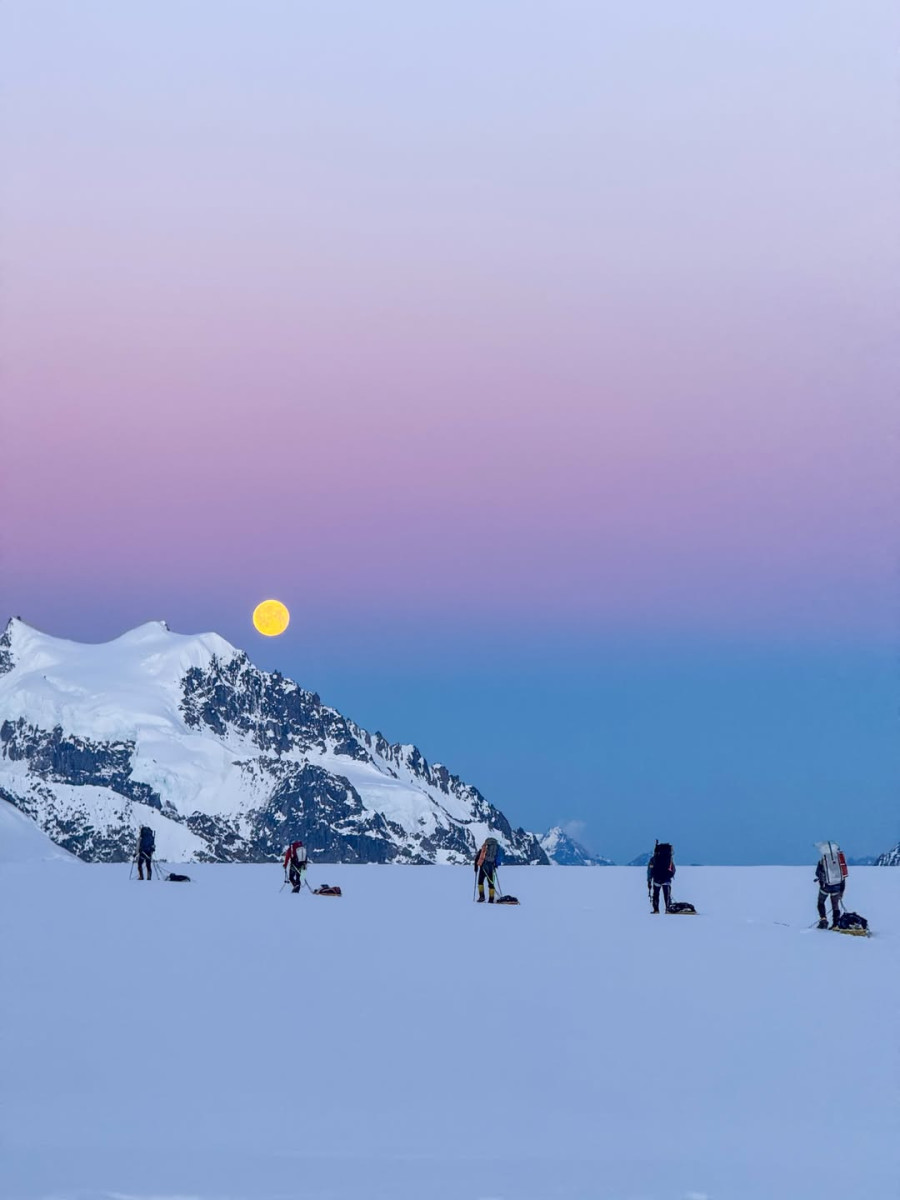
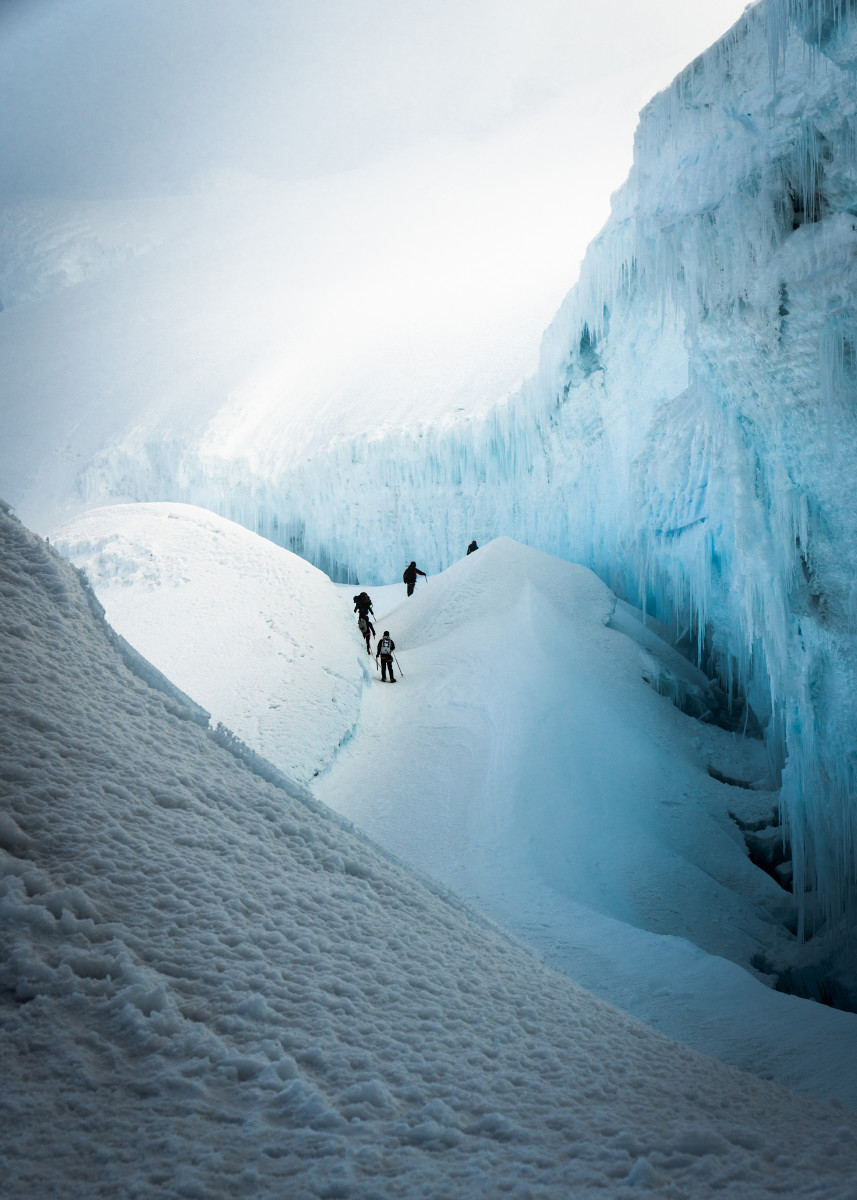
Denali changes everything. It is possible to get to this point on your journey to the roof of the world without spending more than a few days climbing and camping on a glacier. A trip to Alaska will fix that. Weeks of hauling sleds, building wind walls, and sleeping on ice will teach you how to thrive, not just survive, on a glacier. Denali is more physically challenging than an Everest climb making it a perfect test-piece. The lower Kahiltna Glacier mimics the Western Cwm on Everest, the fixed lines are excellent training for the Khumbu Icefall, and summit day demands the same kind of grit you’ll need on Everest. Many say if you handle Denali, you can handle Everest.
Step Six: Learn the Himalaya
Altitude is one thing, Himalayan style climbing is another. We find that people who have experience climbing and traveling in the Himalaya tend to do much better on Everest. Tackling an 8,000 meter peak like Manaslu or Cho Oyu gives you a priceless chance to experience life above 26,000 feet and practice using supplemental oxygen. Short on time? Peak Lenin, at a lofty 7,134 meters, though not a Himalayan peak, is a solid alternative. Not every climber heading to Everest will first tackle another 8,000-meter peak first. However, those who do often say it was an excellent investment of time and a vital step toward their success on Everest.
Step Seven: Everest
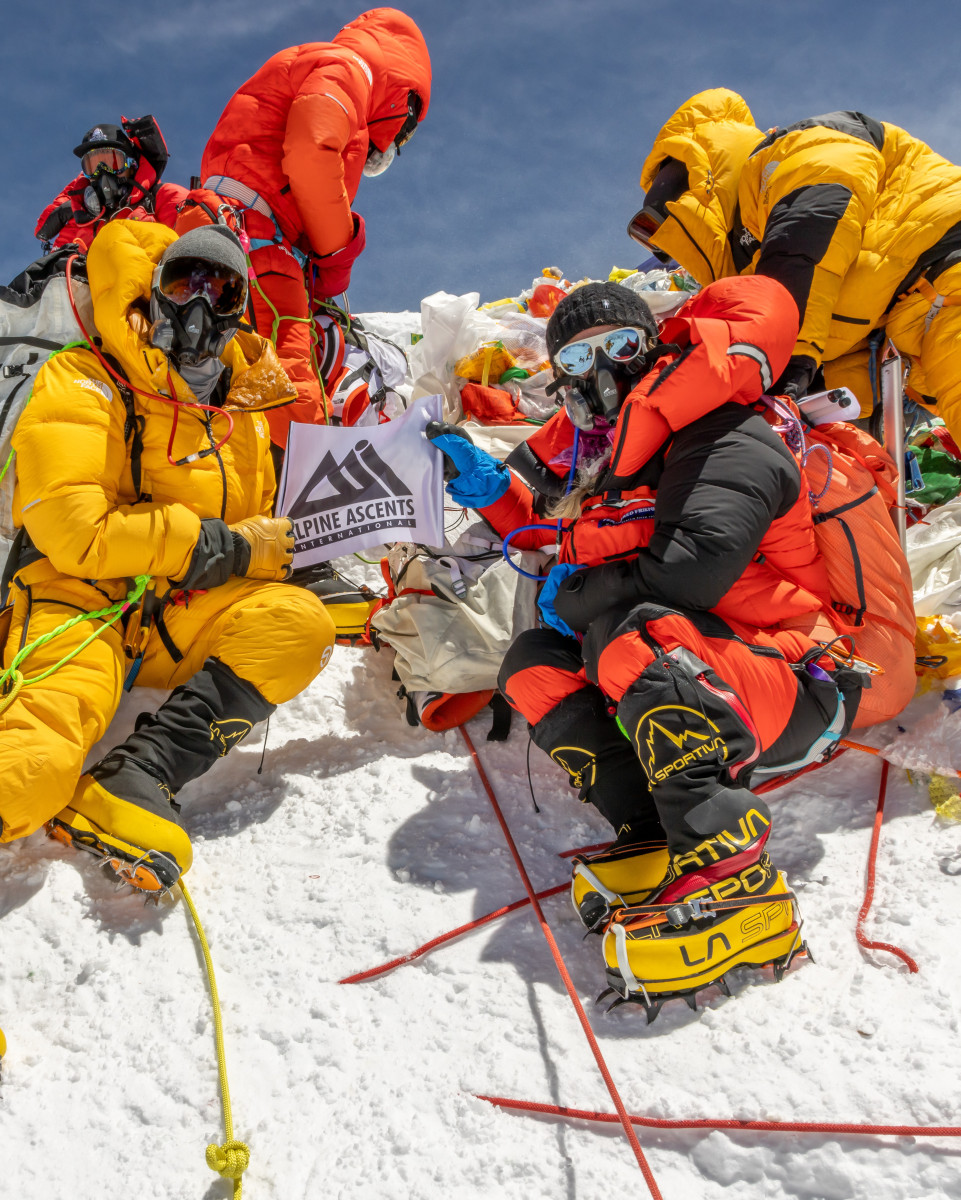
Now the real dream begins. By now, you’ve climbed multiple high peaks, dialed in your gear and clothing systems, and have proven your strength at extreme altitude. You’ve earned the confidence, skill, and resilience required to take on the tallest mountain on Earth. It’s been a long, challenging road, but this is when all that hard work pays off. Everest isn’t just another mountain. It’s a test of a lifetime. The only way to the top is a long road of preparation, persistence, and passion.